
8.20528

Diphenylamine
for synthesis
Synonym(s):
Diphenylamine, N-Phenylaniline
Select a Size
About This Item
SMILES string
N(c2ccccc2)c1ccccc1
InChI
1S/C12H11N/c1-3-7-11(8-4-1)13-12-9-5-2-6-10-12/h1-10,13H
InChI key
DMBHHRLKUKUOEG-UHFFFAOYSA-N
vapor pressure
0.0003 hPa ( 20 °C)
assay
≥99.0% (GC)
form
solid
autoignition temp.
630 °C (DIN 51794)
potency
1120 mg/kg LD50, oral (Rat), >5000 mg/kg LD50, skin (Rabbit)
bp
302 °C/1013 hPa
mp
53-54 °C
transition temp
flash point 153 °C (DIN 51758)
solubility
0.05 g/L
density
1.16 g/cm3 at 20 °C
bulk density
610 kg/m3
storage temp.
no temp limit
Quality Level
Looking for similar products? Visit Product Comparison Guide
Application
- Design of hole transport materials: New small derivatives of 2,2′-bithiophene, possibly involving Diphenylamine as a building block, were rationally designed to improve the performance of perovskite solar cells, demonstrating Diphenylamine′s role in advancing photovoltaic technology (Adadi et al., 2024).
- High-efficiency hyperfluorescent OLEDs: Diphenylamine may be implicated in the development of hybridized local and charge transfer dendrimers, aimed at achieving near-unity exciton utilization in solution-processed OLEDs, highlighting its potential in high-performance electronic displays (Yin et al., 2024).
- Chemical detection technologies: A benzoxazole-triphenylamine conjugated fluorogenic probe was developed for the specific detection of sarin gas mimic diethylchlorophosphate, illustrating Diphenylamine′s utility in sensitive and specific chemical sensors (Sultana et al., 2024).
- Electrochemiluminescence emitters: Diphenylamine-based emitters were tailored for efficient electrochemiluminescence, employing tripropylamine as a co-reactant, contributing to the field of electrochemical sensors and displays (Morgan et al., 2023).
- Near-infrared fluorophores development: Research on chlorinated rylenecarboximide fluorophores, potentially involving Diphenylamine, focused on efficient near-infrared applications, which are critical for advanced imaging and diagnostic techniques (Wu et al., 2023).
Analysis Note
Melting range (lower value): ≥ 52 °C
Melting range (upper value): ≤ 55 °C
Identity (IR): passes test


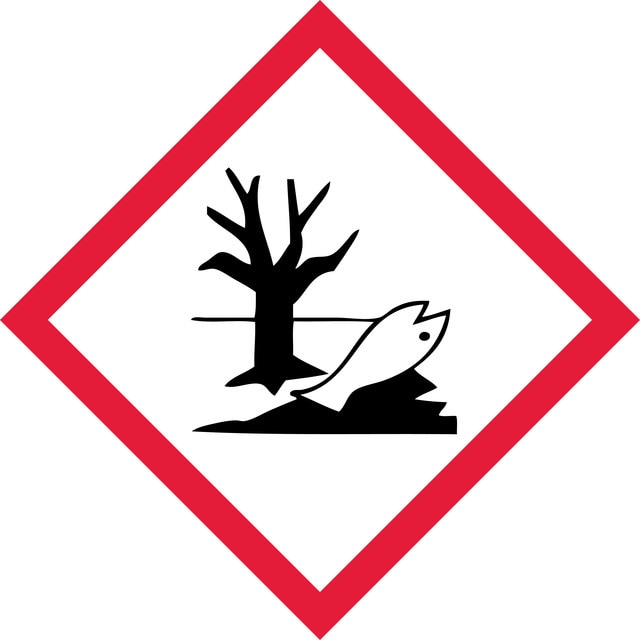
signalword
Danger
Hazard Classifications
Acute Tox. 3 Dermal - Acute Tox. 3 Inhalation - Acute Tox. 3 Oral - Aquatic Acute 1 - Aquatic Chronic 1 - STOT RE 2
target_organs
Kidney,Liver,spleen
Storage Class
6.1C - Combustible acute toxic Cat.3 / toxic compounds or compounds which causing chronic effects
wgk
WGK 3
Certificates of Analysis (COA)
Search for Certificates of Analysis (COA) by entering the products Lot/Batch Number. Lot and Batch Numbers can be found on a product’s label following the words ‘Lot’ or ‘Batch’.
Already Own This Product?
Find documentation for the products that you have recently purchased in the Document Library.
Protocols
Straightforward HPTLC-MS analysis of lactose in dairy products (milk or yoghurt) using only protein crash, centrifugation and dilution as sample preparation.
Global Trade Item Number
| SKU | GTIN |
|---|---|
| 8.20528.0100 | 04022536460727 |
| 8.20528.1000 | 04022536460734 |
Our team of scientists has experience in all areas of research including Life Science, Material Science, Chemical Synthesis, Chromatography, Analytical and many others.
Contact Technical Service