
PLD35

GenElute™ Plasmid Midiprep Kit

Greener Alternative
sufficient for 35 purifications
Synonym(s):
Gen Elute, GenElute™ Plasmid Kit, plasmid extraction kit, plasmid isolation kit, plasmid purification kit
Sign In to View Organizational & Contract Pricing.
Select a Size
Change View
About This Item
NACRES:
NA.52
UNSPSC Code:
41105501
usage
sufficient for 35 purifications
Quality Segment
greener alternative product characteristics
Inherently Safer Chemistry for Accident Prevention
Learn more about the Principles of Green Chemistry.
sustainability
Greener Alternative Product
technique(s)
DNA purification: suitable
test parameters
: ~45 min kit run time, sample volume: 5-40 mL bacterial culture
greener alternative category
storage temp.
15-25°C
General description
The GenElute Plasmid Midiprep Kit offers a simple, rapid, cost-effective method for isolating plasmid DNA from recombinant E. coli cultures. By combining silica- binding technology and the convenience of a spin column format, up to 300 μg of plasmid DNA can be recovered from 20-40 ml of Luria Broth (LB) in about 45 minutes. Note that actual yield and optimal volume of culture to use depend on the plasmid and the culture medium.
An overnight recombinant E. coli culture is harvested by centrifugation and subjected to a modified alkaline-SDS lysis procedure followed by adsorption of the DNA onto silica in the presence of high salts. Contaminants are then removed by a spin-wash step. Finally, the bound DNA is eluted in water or Tris-EDTA buffer.
An overnight recombinant E. coli culture is harvested by centrifugation and subjected to a modified alkaline-SDS lysis procedure followed by adsorption of the DNA onto silica in the presence of high salts. Contaminants are then removed by a spin-wash step. Finally, the bound DNA is eluted in water or Tris-EDTA buffer.
We are committed to bringing you Greener Alternative Products, which adhere to one or more of The 12 Principles of Greener Chemistry. This product has Inherently Safer Chemistry, compared to the standard use of phenol and chloroform to perform DNA extractions.
Application
The DNA is ready for immediate use in such downstream applications as restriction enzyme digestion, cloning, PCR, transcription and automated sequencing.
The recovered plasmid DNA is predominately in its supercoiled form. There is no visual evidence of genomic DNA or RNA contamination detected by agarose gel electrophoresis. The DNA is ready for immediate use in downstream applications such as restriction digestion, ligation, sequencing, PCR, and transfection.
Biochem/physiol Actions
Bacterial cells are harvested via centrifugation and subjected to a modified alkaline-SDS lysis procedure followed by adsorbtion of DNA onto silca in the presence of high salts. Contaminants are then removed by a simple wash step. Finally, the bound DNA is eluted in water or Tris-EDTA buffer. The recovered plasmid DNA is predominately in its supercoiled form. There is no visual evidence of genomic DNA or RNA contamination.
Other Notes
GenElute Plasmid Midi- and Maxiprep Kits offer a simple, rapid and cost-effective method for isolating plasmid DNA from E. coli cultures. These kits combine silica-based membrane technology with the convenience of a spin column format and deliver up to 350 μg (Midi) and 1.2 mg (Maxi) yield of high-copy plasmid DNA.
Legal Information
GenElute is a trademark of Sigma-Aldrich Co. LLC
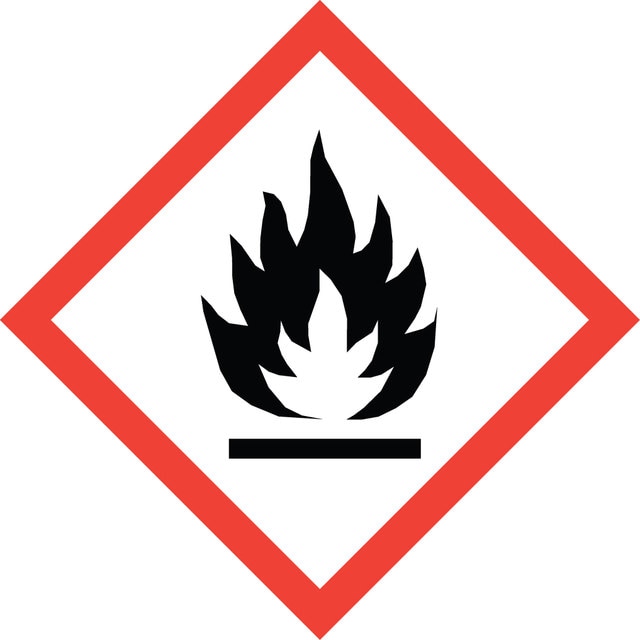
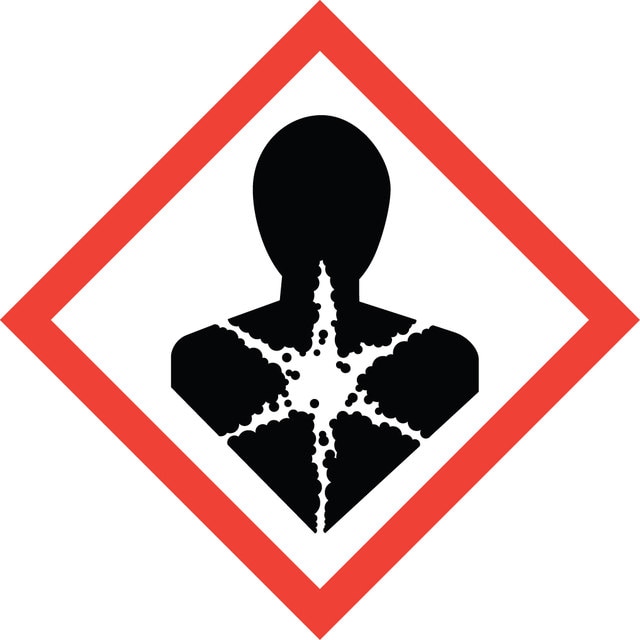
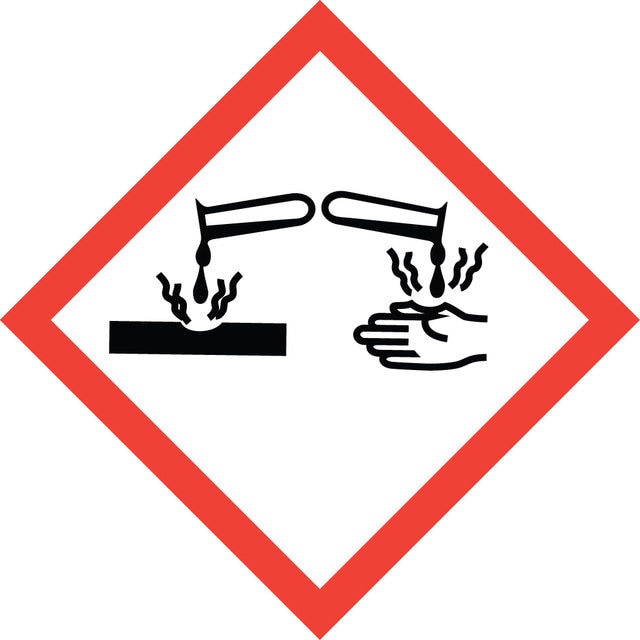

signalword
Danger
Hazard Classifications
Acute Tox. 4 Oral - Eye Irrit. 2 - Flam. Liq. 3 - Met. Corr. 1 - Resp. Sens. 1 - Skin Irrit. 2 - STOT SE 3
target_organs
Central nervous system
Storage Class
3 - Flammable liquids
wgk
WGK 3
Choose from one of the most recent versions:
Already Own This Product?
Find documentation for the products that you have recently purchased in the Document Library.