Skip to Content
Merck

277592

9-Vinylcarbazole

98%

Synonym(s):

9-Vinyl-9H-carbazole, N-Ethenylcarbazole, N-Vinylcarbazole

Sign In to View Organizational & Contract Pricing.

Select a Size


About This Item

Empirical Formula (Hill Notation):
C14H11N
CAS Number:
Molecular Weight:
193.24
UNSPSC Code:
12162002
NACRES:
NA.23
PubChem Substance ID:
EC Number:
216-055-0
Beilstein/REAXYS Number:
132988
MDL number:
Technical Service
Need help? Our team of experienced scientists is here for you.
Let Us Assist
Technical Service
Need help? Our team of experienced scientists is here for you.
Let Us Assist

InChI key

KKFHAJHLJHVUDM-UHFFFAOYSA-N

InChI

1S/C14H11N/c1-2-15-13-9-5-3-7-11(13)12-8-4-6-10-14(12)15/h2-10H,1H2

SMILES string

C=Cn1c2ccccc2c3ccccc13

assay

98%

bp

154-155 °C/3 mmHg (lit.)

mp

60-65 °C (lit.)

Looking for similar products? Visit Product Comparison Guide

Related Categories

Application

9-Vinylcarbazole can be used:
  • As a monomer to synthesize electrochromic conductive thin film copolymer with 3,4-ethylenedioxythiophene (EDOT), for smart windows and flexible electronic displays.
  • As a precursor to prepare a copolymer which is used to fabricate highly efficient polymeric thermally activated delayed fluorescent (TADF) organic light-emitting diode (OLED) with high quantum efficiency.
  • As a functional monomer to synthesize poly(vinyl carbazole) (p(VC)) microgel particles via surfactant free emulsion polymerization. These microgels find application in the field of drug delivery and tissue engineering.
  • As a precursor to fabricate hole transport layer for perovskite solar cells.
General description

9-Vinylcarbazole (9-VC) is a monomer characterized by photochemical properties, thermal stability, and high reactivity due to its vinyl group. It enhances the performance of conducting polymers and thermosetting resins. In drug delivery systems, 9-VC facilitates the encapsulation of therapeutic agents, enabling controlled release and improved efficacy, particularly in cancer therapy. Additionally, its photochemical capabilities allow for advancements in photonic devices.

signalword

Danger

Hazard Classifications

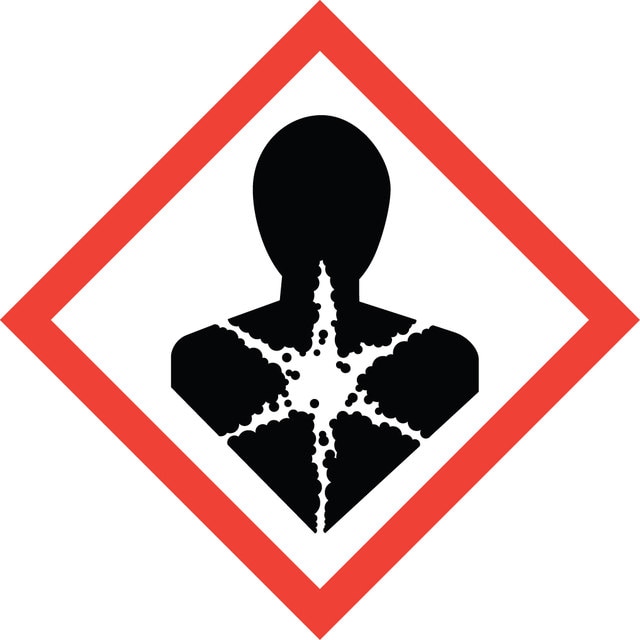
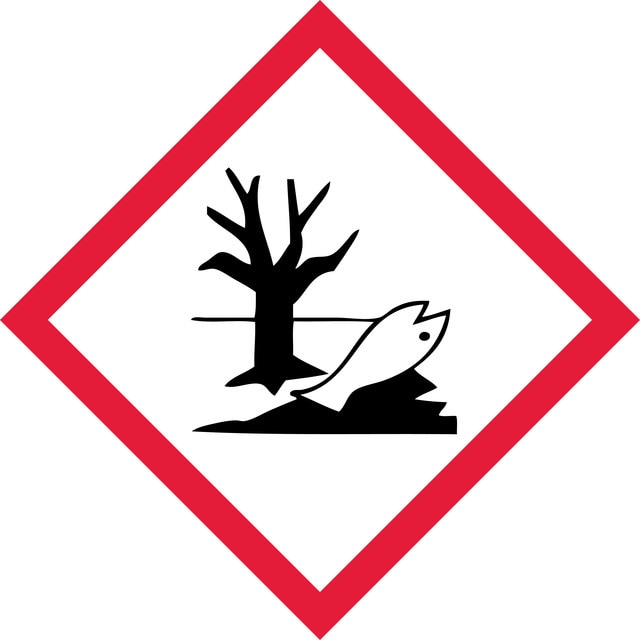
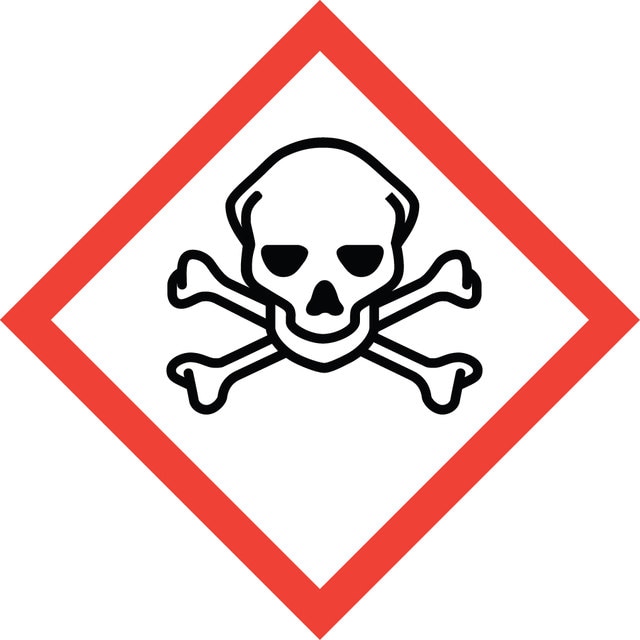
Acute Tox. 2 Oral - Acute Tox. 4 Dermal - Aquatic Acute 1 - Aquatic Chronic 1 - Muta. 2 - Skin Irrit. 2 - Skin Sens. 1

Storage Class

6.1A - Combustible acute toxic Cat. 1 and 2 / very toxic hazardous materials

wgk

WGK 3

flash_point_f

Not applicable

flash_point_c

Not applicable

ppe

dust mask type N95 (US), Eyeshields, Faceshields, Gloves


Regulatory Listings

Regulatory Listings are mainly provided for chemical products. Only limited information can be provided here for non-chemical products. No entry means none of the components are listed. It is the user’s obligation to ensure the safe and legal use of the product.

277592-5G: + 277592-BULK: + 277592-25G: + 277592-100G: + 277592-VAR:

jan


Choose from one of the most recent versions:

Certificates of Analysis (COA)

Lot/Batch Number

Don't see the Right Version?

If you require a particular version, you can look up a specific certificate by the Lot or Batch number.

Already Own This Product?

Find documentation for the products that you have recently purchased in the Document Library.

Visit the Document Library

Dharmendar Kumar Sharma et al.
Nature communications, 10(1), 4499-4499 (2019-10-05)
Halide perovskites nanocrystals (NCs) are being explored as promising materials for optoelectronic applications, such as light-emitting devices or lasers. However, electroluminescence devices prepared from such NCs have long suffered from low efficiency and there has been no systematic study on
Merve Kara et al.
Macromolecular rapid communications, 36(23), 2070-2075 (2015-09-12)
A new phenacyl-type photoinitiator based on ethyl carbazole as a long wavelength photo-initiator is developed for free radical polymerization. Phenacyl ethyl carbazolium hexafluoroantimonate (PECH) photoinitiator is synthesized in a two-step, one-pot manner by quaternizing ethyl carbazole with phenacyl bromide and

Our team of scientists has experience in all areas of research including Life Science, Material Science, Chemical Synthesis, Chromatography, Analytical and many others.

Contact Technical Service