Skip to Content
Merck

V1503

Vinyl acetate

contains 3-20 ppm hydroquinone as inhibitor, ≥99%

Synonym(s):

VAc, Acetoxyethylene

Sign In to View Organizational & Contract Pricing.

Select a Size


About This Item

Linear Formula:
CH3CO2CH=CH2
CAS Number:
Molecular Weight:
86.09
UNSPSC Code:
12352100
NACRES:
NA.22
PubChem Substance ID:
EC Number:
203-545-4
Beilstein/REAXYS Number:
1209327
MDL number:
Assay:
≥99%
Technical Service
Need help? Our team of experienced scientists is here for you.
Let Us Assist
Technical Service
Need help? Our team of experienced scientists is here for you.
Let Us Assist

assay

≥99%

InChI key

XTXRWKRVRITETP-UHFFFAOYSA-N

InChI

1S/C4H6O2/c1-3-6-4(2)5/h3H,1H2,2H3

SMILES string

CC(=O)OC=C

vapor density

3 (vs air)

vapor pressure

88 mmHg ( 20 °C)

autoignition temp.

801 °F

contains

3-20 ppm hydroquinone as inhibitor

expl. lim.

13.4 %

refractive index

n20/D 1.395 (lit.)

bp

72-73 °C (lit.)

mp

−93 °C (lit.)

density

0.934 g/mL at 25 °C (lit.)

storage temp.

2-8°C

Quality Level

Looking for similar products? Visit Product Comparison Guide

Related Categories

Application

Vinyl acetate has been used as an acyl donor for enzyme-catalyzed acylation reactions.

signalword

Danger

Hazard Classifications

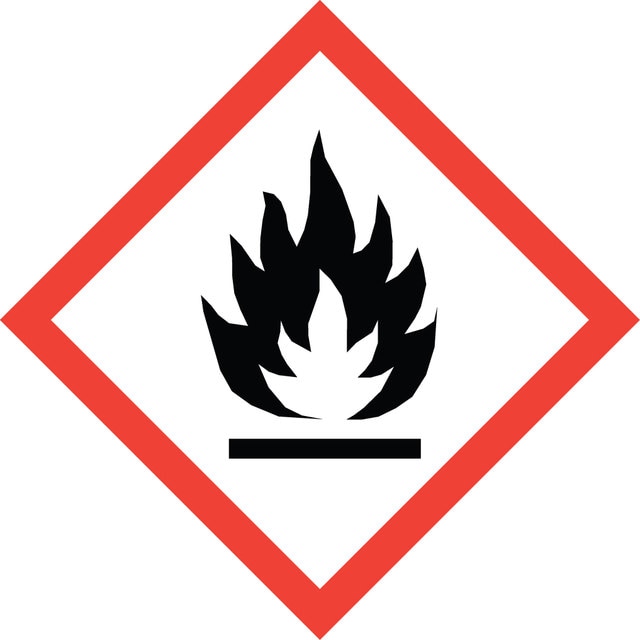
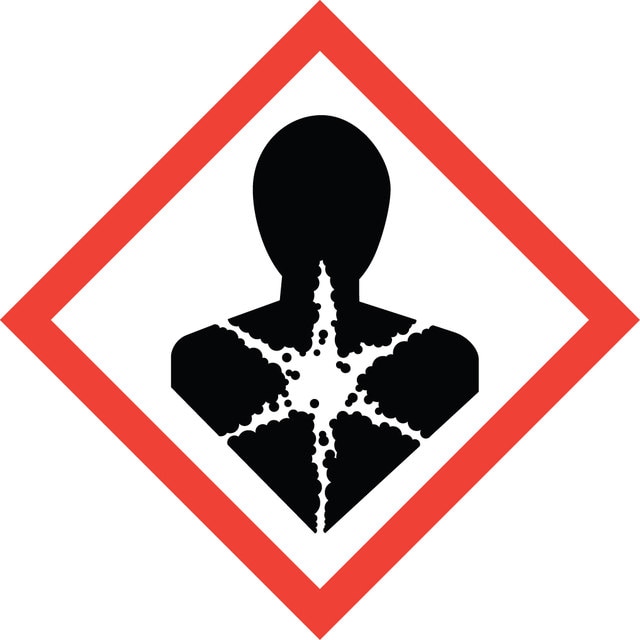
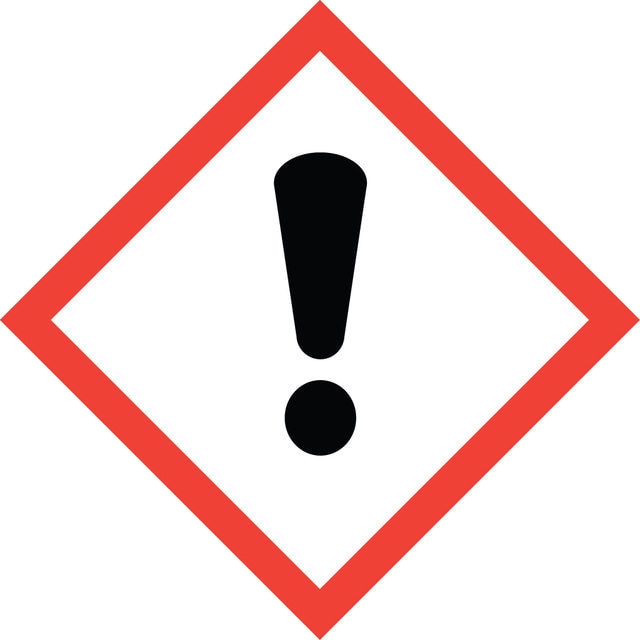
Acute Tox. 4 Inhalation - Aquatic Chronic 3 - Carc. 2 - Flam. Liq. 2 - STOT SE 3

target_organs

Respiratory system

Storage Class

3 - Flammable liquids

wgk

WGK 2

flash_point_f

17.6 °F - closed cup

flash_point_c

-8 °C - closed cup

ppe

Eyeshields, Faceshields, Gloves, type ABEK (EN14387) respirator filter


Regulatory Listings

Regulatory Listings are mainly provided for chemical products. Only limited information can be provided here for non-chemical products. No entry means none of the components are listed. It is the user’s obligation to ensure the safe and legal use of the product.

Class I Designated Chemical Substances

prtr

Group 4: Flammable liquids + Type 1 petroleums + Hazardous rank II + Water insoluble liquid

fsl

Substances Subject to be Indicated Names

ishl_indicated

Substances Subject to be Notified Names

ishl_notified

V1503-2.5L:4548173925561 + V1503-25ML:4548173952185 + V1503-18L:4548173952161 + V1503-1L:4548173952178 + V1503-2L: + V1503-BULK: + V1503-VAR:

jan


Choose from one of the most recent versions:

Certificates of Analysis (COA)

Lot/Batch Number

Don't see the Right Version?

If you require a particular version, you can look up a specific certificate by the Lot or Batch number.

Already Own This Product?

Find documentation for the products that you have recently purchased in the Document Library.

Visit the Document Library

Lipases efficiently stearate and cutinases acetylate the surface of arabinoxylan films.
Stepan AM
Journal of Biotechnology, 167(1), 16-23 (2013)
María Laura Lastra et al.
Colloids and surfaces. B, Biointerfaces, 196, 111322-111322 (2020-08-26)
Recent studies have shown the relevance of growing mesenchymal stem cells (MSCs) in three-dimensional environments with respect to the monolayer cell culture on an adherent substrate. In this sense, macroporous scaffolds and hydrogels have been used as three-dimensional (3D) supports.
Kinetic resolution of 4-chloro-2-(1-hydroxyalkyl) pyridines using Pseudomonas cepacia lipase.
Busto E
Nature Protocols, 1(4), 2061-2061 (2006)
Ping Xu et al.
Polymers, 11(2) (2019-04-10)
Hyperbranched polycaprolactone with controlled structure was synthesized by reversible addition-fragmentation chain transfer radical ring-opening polymerization along with self-condensed vinyl polymerization (SCVP) of 2-methylene-1,3-dioxepane (MDO). Vinyl 2-[(ethoxycarbonothioyl) sulfanyl] propanoate (ECTVP) was used as polymerizable chain transfer agent. Living polymerization behavior was
B Picquet-Varrault et al.
Environmental science & technology, 44(12), 4615-4621 (2010-05-25)
Vinyl acetate is widely used in industry. It has been classified as a high-production volume (HPV) chemical in the United States. To evaluate its impact on the environment and air quality, its atmospheric reactivity toward the three main tropospheric oxidants

Articles

RAFT polymerization offers living characteristics to radical polymerization, contributing versatility to reversible deactivation radical polymerization methods.

Protocols

RAFT polymerization offers precise control, enabling tailored synthesis of complex polymer structures.

Related Content

有機合成・材料科学のセールを開催中!約18,000点を希望販売価格が最大70%OFFでご提供

Our team of scientists has experience in all areas of research including Life Science, Material Science, Chemical Synthesis, Chromatography, Analytical and many others.

Contact Technical Service