
1.06018

Methanol
≥99.8% (GC), HPLC grade, suitable for HPLC, LiChrosolv®
동의어(들):
MeOH, Hydroxymethane, Carbinol, Methyl alcohol
크기 선택
제품정보 (DICE 배송 시 비용 별도)
제품 이름
Methanol, for liquid chromatography LiChrosolv®
grade
HPLC grade
Quality Segment
vapor density
1.11 (vs air)
vapor pressure
128 hPa ( 20 °C), 410 mmHg ( 50 °C), 97.68 mmHg ( 20 °C)
description
isocratic
product line
LiChrosolv®
assay
≥99.8% (GC)
form
liquid
autoignition temp.
725 °F
potency
5628 mg/kg LD50, oral (Rat), 17100 mg/kg LD50, skin (Rabbit)
expl. lim.
36 %
technique(s)
HPLC: suitable
impurities
≤0.0002 meq/g Acidity, ≤0.0002 meq/g Alkalinity, ≤0.03% Water
evapn. residue
≤3.0 mg/L
color
APHA: ≤10
transmittance
225 nm, ≥50%, 240 nm, ≥80%, 265 nm, ≥98%
refractive index
n20/D 1.329 (lit.)
kinematic viscosity
0.54-0.59 cSt(20 °C)
bp
64.7 °C (lit.)
mp
−98 °C (lit.)
transition temp
flash point 9.7 °C
density
0.791 g/mL at 25 °C (lit.)
SMILES string
CO
format
neat
storage temp.
2-30°C
InChI
1S/CH4O/c1-2/h2H,1H3
InChI key
OKKJLVBELUTLKV-UHFFFAOYSA-N
General description
Application
Featured in method development of:
- Benazepril - USP Method Benazepril RS
- Betamethasone - USP Method Betamethasone Valerate Assay
- Irbesartan - USP Method Irbesartan Assay
- Lamivudine - USP Method Lamivudine RS
- Lansoprazole - USP Method Lansoprazole RS
- Levofloxacin - USP Method Levofloxacin RS - USP Method Levofloxacin Assay
- Nifedipine - USP Method Nifedipine RS - USP Method Nifedipine Assay
- Pharmacopoeia Monograph Methods - HPLC and UHPLC methods for Regulated Drug Analysis
- Pioglitazone - USP Method Pioglitazone HCl RS - USP Method Pioglitazone HCl Assay
Features and Benefits
- suitability tested and specified for UHPLC-MS and UHPLC-UV: for analytical flexibility
- specified quality in positive and negative in positive and negative electrospray ionization (ESI) and atmospheric-pressure chemical ionization-mass spectrometry (APCI-MS) for lowest detection limits and confidence in analyses for all important MS modes (test 1)
—ESI/APCI (+) < 2 ppb
—ESI/APCI (-) < 10 ppb - lowest impurity profile: for interference-free baselines (test 2)
- microfiltered through 0.2 μm filter (test 3) to provide:
—A long lifespan to filters and mechanical parts of HPLC systems
––reduced risk of column clogging - packaged in borosilicate glass bottles for minimized metal ion contaminations
- lowest levels of trace metal impurities for a minimum metal ion adduct formation
—<5 ppb - lowest level of polyethylene glycol (PEG) impurities in UHPLC-MS solvent lineup (PEG S/N signal-to-noise-ratio < 50)
Preparation Note
Analysis Note
Identity (IR): conforms
Evaporation residue: ≤ 3.0 mg/l
Water: ≤ 0.03 %
Color: ≤ 10 Hazen
Acidity: ≤ 0.0002 meq/g
Alkalinity: ≤ 0.0002 meq/g
Transmission (at 225 nm): ≥ 50 %
Transmission (at 240 nm): ≥ 80 %
Transmission (from 265 nm): ≥ 98 %
Filtered by 0.2 µm filter
Other Notes
Legal Information
Still not finding the right product?
Explore all of our products under Methanol
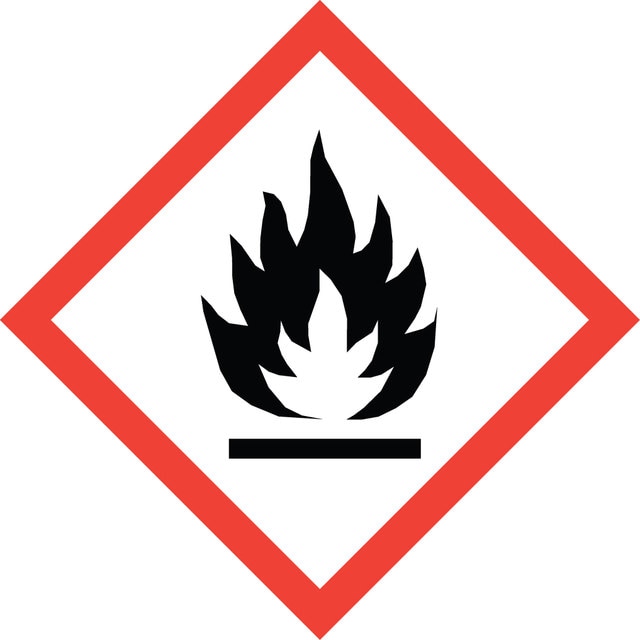
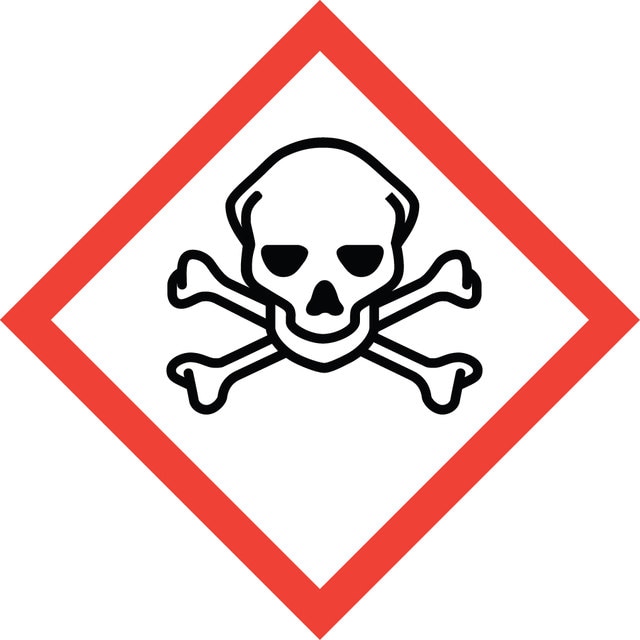
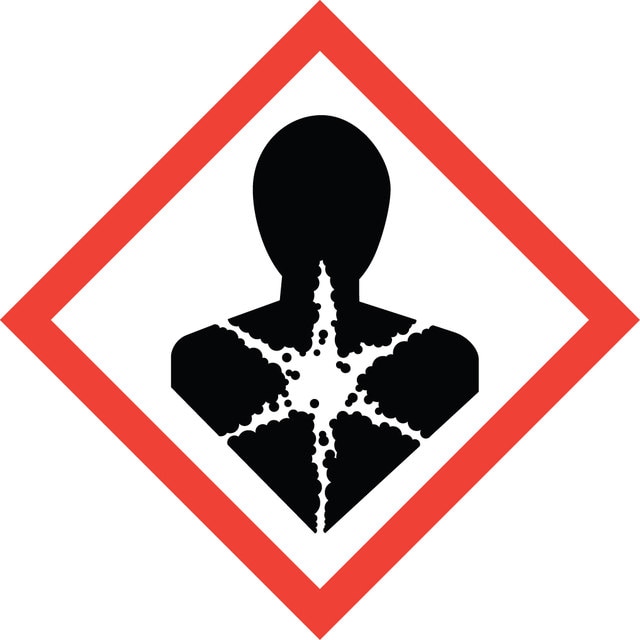
signalword
Danger
Hazard Classifications
Acute Tox. 3 Dermal - Acute Tox. 3 Inhalation - Acute Tox. 3 Oral - Flam. Liq. 2 - STOT SE 1
target_organs
Eyes,Central nervous system
저장 등급
3 - Flammable liquids
wgk
WGK 2
flash_point_f
49.5 °F - closed cup
flash_point_c
9.7 °C - closed cup