ログインで組織・契約価格をご覧ください。
サイズを選択してください
表示を変更する
この商品について
化学式:
HCOOH
CAS番号:
分子量:
46.03
PubChem Substance ID:
UNSPSC Code:
12352106
Beilstein/REAXYS Number:
1209246
MDL number:
Assay:
88.0-89.5%
Form:
liquid
Grade:
SAJ first grade
grade
SAJ first grade
vapor density
1.6 (vs air)
vapor pressure
44.8 mmHg ( 20 °C)
assay
88.0-89.5%
form
liquid
autoignition temp.
1004 °F
expl. lim.
57 %
availability
available only in Japan
refractive index
n20/D 1.370 (lit.)
pH
2.2 (20 °C, 2.2 g/L)
bp
100-101 °C (lit.)
mp
8.2-8.4 °C (lit.)
density
1.22 g/mL at 25 °C (lit.)
SMILES string
OC=O
InChI
1S/CH2O2/c2-1-3/h1H,(H,2,3)
InChI key
BDAGIHXWWSANSR-UHFFFAOYSA-N
Still not finding the right product?
Explore all of our products under ギ酸
signalword
Danger
hcodes
Hazard Classifications
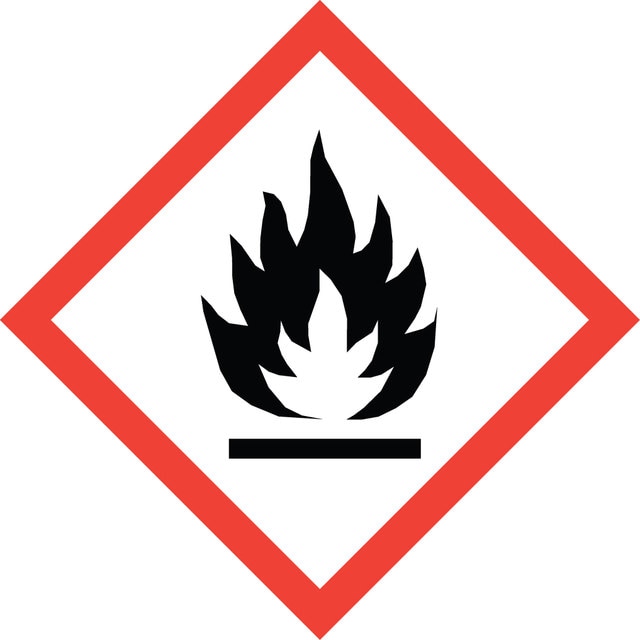
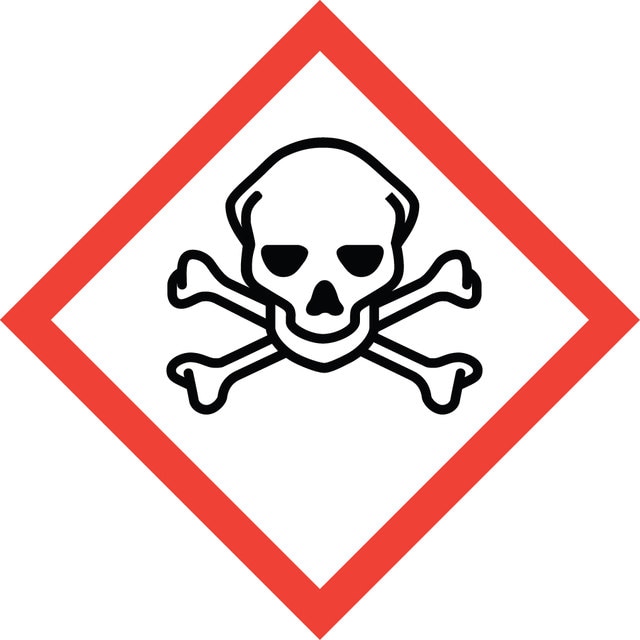
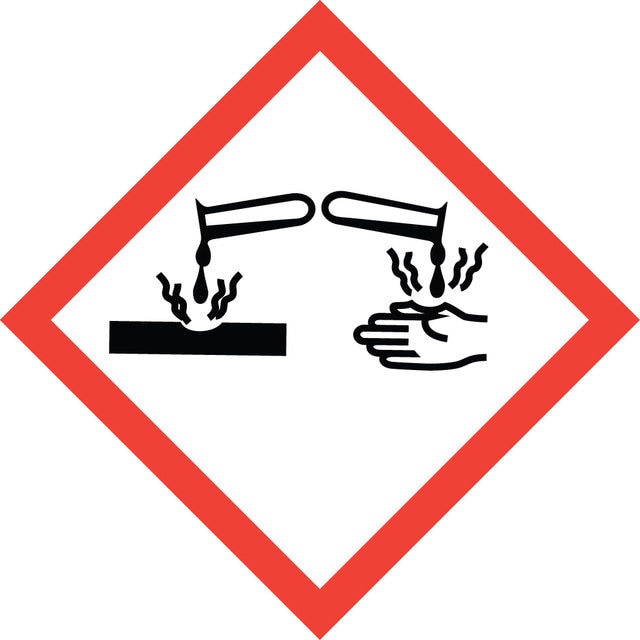
Acute Tox. 3 Inhalation - Acute Tox. 4 Oral - Eye Dam. 1 - Flam. Liq. 3 - Skin Corr. 1B
supp_hazards
保管分類
3 - Flammable liquids
flash_point_f
138.2 °F
flash_point_c
59 °C
適用法令
試験研究用途を考慮した関連法令を主に挙げております。化学物質以外については、一部の情報のみ提供しています。 製品を安全かつ合法的に使用することは、使用者の義務です。最新情報により修正される場合があります。WEBの反映には時間を要することがあるため、適宜SDSをご参照ください。
第4類:引火性液体 + 第二石油類 + 危険等級III + 水溶性液体
fsl
名称等を表示すべき危険物及び有害物
ishl_indicated
名称等を通知すべき危険物及び有害物
ishl_notified
11-0790-5-500ML-J:4.548173007755E12
jan
Emma Granqvist et al.
The New phytologist, 207(3), 551-558 (2015-05-27)
Plants that form root-nodule symbioses are within a monophyletic 'nitrogen-fixing' clade and associated signalling processes are shared with the arbuscular mycorrhizal symbiosis. Central to symbiotic signalling are nuclear-associated oscillations in calcium ions (Ca(2+) ), occurring in the root hairs of
J Liesivuori et al.
Pharmacology & toxicology, 69(3), 157-163 (1991-09-01)
Metabolism of methanol, methyl ethers, esters and amides give rise to formic acid. This acid is an inhibitor of the mitochondrial cytochrome oxidase causing histotoxic hypoxia. Formic acid is a weaker inhibitor than cyanide and hydrosulphide anions. The body burden
Tasqiah Julianti et al.
Journal of ethnopharmacology, 155(1), 426-434 (2014-06-04)
Leaf decoctions of Carica papaya have been traditionally used in some parts of Indonesia to treat and prevent malaria. Leaf extracts and fraction have been previously shown to possess antiplasmodial activity in vitro and in vivo. Antiplasmodial activity of extracts