
S2002

Sodium azide
ReagentPlus®, ≥99.5%
동의어(들):
Hydrazoic acid sodium salt
조직 및 계약 가격을 보려면 로그인를 클릭합니다.
크기 선택
보기 변경
제품정보 (DICE 배송 시 비용 별도)
Linear Formula:
NaN3
CAS 번호:
Molecular Weight:
65.01
NACRES:
NA.21
PubChem Substance ID:
UNSPSC Code:
12352201
EC Number:
247-852-1
MDL number:
biological source
synthetic (inorganic)
Quality Segment
product line
ReagentPlus®
assay
≥99.5%
form
powder
storage condition
(Tightly closed. Dry. Keep in a well-ventilated place. Do not store near acids.)
technique(s)
cell based assay: suitable, immunohistochemistry: suitable
color
white
mp
370-425 °C
solubility
soluble 65 g/L at 20 °C (completely)
suitability
suitable for chromatography, suitable for derivatization
application(s)
sample preparation
SMILES string
[Na]N=[N+]=[N-]
InChI
1S/N3.Na/c1-3-2;/q-1;+1
InChI key
PXIPVTKHYLBLMZ-UHFFFAOYSA-N
General description
Sodium Azide (NaN3) is a potent inhibitor – a water-soluble crystalline powder that′s odorless. Widely recognized for its versatile applications, it plays a pivotal role across molecular biology, cell culture, and biochemical research. It is also a metabolic inhibitor, which inhibits oxidative phosphorylation. In cell culture, it maintains the integrity of your cell lines.
Application
Baylis-Hillman acetates such as ethyl 2-(acetoxyphenylmethyl)acrylate can undergo nucleophilic displacement by sodium azide in aqueous medium to form ethyl (E)-2-azidomethyl-3-phenylpropenoate.
Biochem/physiol Actions
It prevents capping and internalization of fluorescent surface-bound antibodies in various scientific applications, including flow cytometry.
Other Notes
For additional information on our range of Biochemicals, please complete this form.
Legal Information
ReagentPlus is a registered trademark of Merck KGaA, Darmstadt, Germany
Still not finding the right product?
Explore all of our products under Sodium azide
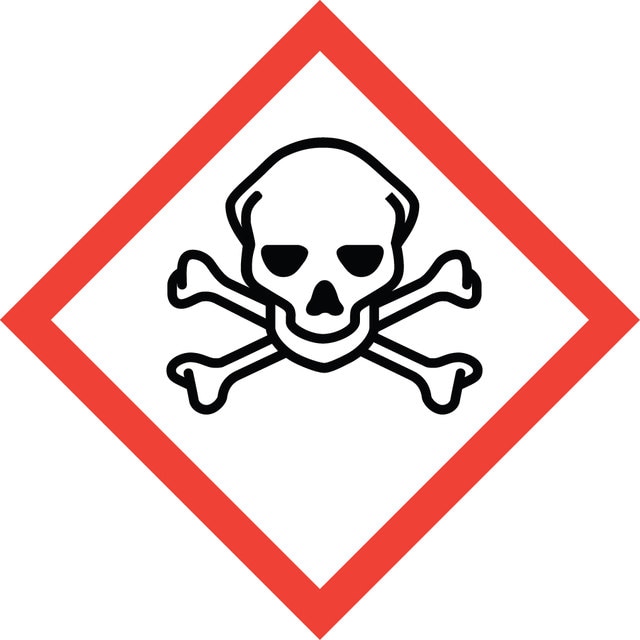
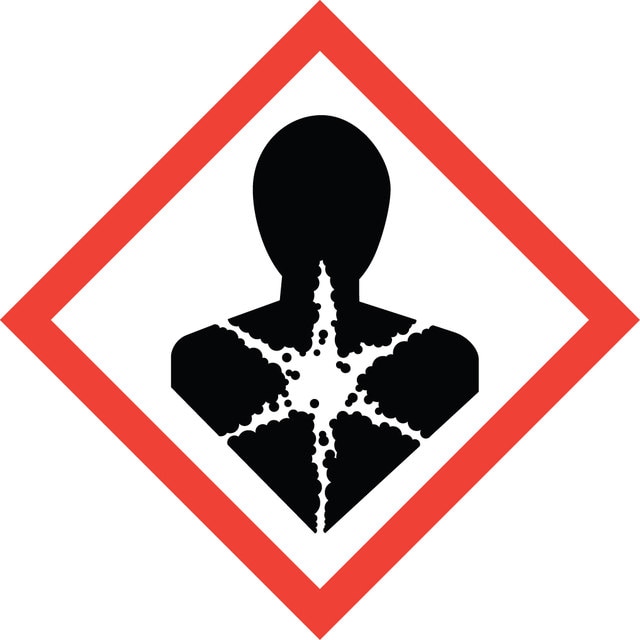
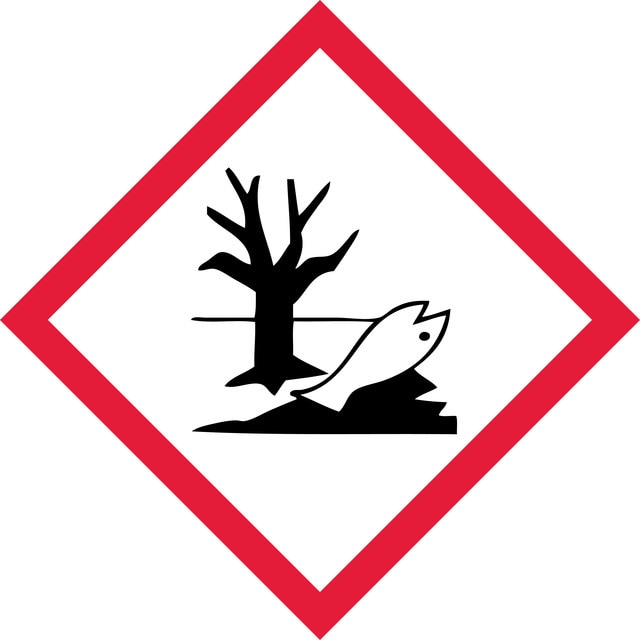
경고어
Danger
Hazard Classifications
Acute Tox. 1 Dermal - Acute Tox. 2 Inhalation - Acute Tox. 2 Oral - Aquatic Acute 1 - Aquatic Chronic 1 - STOT RE 2 Oral
표적 장기
Brain
supp_hazards
저장 등급
6.1A - Combustible acute toxic Cat. 1 and 2 / very toxic hazardous materials
인화점 (F)
Not applicable
인화점 (°C)
Not applicable