
316512

Lead(II) acetate trihydrate
99.999% trace metals basis
Synonym(s):
Lead diacetate trihydrate
Select a Size
About This Item
assay
99.999% trace metals basis
form
solid
reaction suitability
core: lead
mp
75 °C (dec.) (lit.)
SMILES string
O.O.O.CC(=O)O[PbH2]OC(C)=O
InChI
1S/2C2H4O2.3H2O.Pb/c2*1-2(3)4;;;;/h2*1H3,(H,3,4);3*1H2;/q;;;;;+2/p-2
InChI key
MCEUZMYFCCOOQO-UHFFFAOYSA-L
General description
Application
- A precursor in the solution synthesis of lead halide perovskite thin films for solar cells and photodetectors, enabling the fabrication of high-quality, uniform films with excellent optoelectronic properties.
- A reagent for the synthesis of lead-based nanomaterials, such as PbS and PbSe quantum dots, which are used in photodetectors, sensors, and biomedical imaging.
- A key component in the fabrication of platinum black microelectrodes.
Features and Benefits
- High Water Solubility: Easily dissolves in water and other polar solvents, facilitating its use in aqueous solutions for synthesis and analytical applications
- Reactivity: Acts as an efficient reagent in organic synthesis, particularly in acetylation reactions and as a catalyst for oxidative coupling of phenols
Still not finding the right product?
Explore all of our products under Lead(II) acetate trihydrate


signalword
Danger
Hazard Classifications
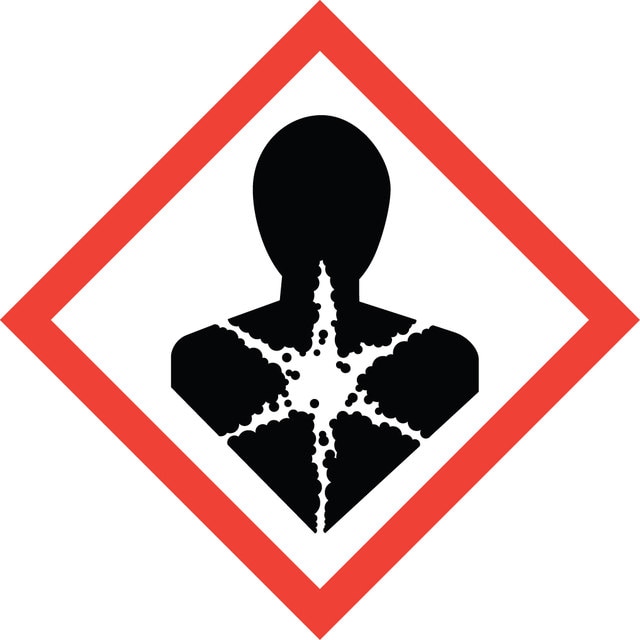
Aquatic Acute 1 - Aquatic Chronic 1 - Carc. 2 - Eye Dam. 1 - Lact. - Repr. 1A - STOT RE 1
target_organs
Central nervous system,Blood,Immune system,Kidney
Storage Class
6.1C - Combustible acute toxic Cat.3 / toxic compounds or compounds which causing chronic effects
wgk
WGK 3
flash_point_f
Not applicable
flash_point_c
Not applicable
ppe
Eyeshields, Gloves, type P3 (EN 143) respirator cartridges
Choose from one of the most recent versions:
Already Own This Product?
Find documentation for the products that you have recently purchased in the Document Library.