
369497

N,N,N′,N′′,N′′-Pentamethyldiethylenetriamine
99%
동의어(들):
PMDETA, PMDTA
조직 및 계약 가격을 보려면 로그인를 클릭합니다.
크기 선택
보기 변경
제품정보 (DICE 배송 시 비용 별도)
Linear Formula:
[(CH3)2NCH2CH2]2NCH3
CAS 번호:
Molecular Weight:
173.30
UNSPSC Code:
12162002
NACRES:
NA.23
PubChem Substance ID:
EC Number:
221-201-1
Beilstein/REAXYS Number:
1741396
MDL number:
vapor pressure
0.23 mmHg ( 20 °C)
Quality Segment
assay
99%
form
liquid
autoignition temp.
311 °F
expl. lim.
5.6 %
refractive index
n20/D 1.442 (lit.)
bp
198 °C (lit.)
mp
−20 °C (lit.)
density
0.83 g/mL at 25 °C (lit.)
SMILES string
CN(C)CCN(C)CCN(C)C
InChI
1S/C9H23N3/c1-10(2)6-8-12(5)9-7-11(3)4/h6-9H2,1-5H3
InChI key
UKODFQOELJFMII-UHFFFAOYSA-N
General description
N,N,N′,N′′,N′′-Pentamethyldiethylenetriamine (PMDETA) is an amine-based monomer compound that plays a crucial role in the field of polymers, particularly in the synthesis of TRPs- thermoresponsive polymers. PMDETA acts as a versatile ligand or catalyst in various polymerization reactions. It forms complexes with transition metals, which are utilized in the production of specialty polymers, block copolymers, and polymers with modified properties. These polymers find applications across a broad range of industries, including thermoplastics, elastomers, and coatings. When incorporated into the polymer structure, PMDETA helps impart thermoresponsive behavior to the final product, enabling reversible changes in solubility, conformation, or other physical properties in response to temperature variations. This makes PMDETA a valuable component in the synthesis and design of TRPs, which find uses in areas such as drug delivery systems, smart materials, and responsive coatings.
Application
N,N,N′,N′′,N′′ Pentamethyldiethylenetriamine can be used as:
- A catalyst in the synthesis of multifunctional silicone acrylate prepolymers for use in UV-curable coatings.
- A multifunctional initiating and cross-linking agent in the synthesis of polyacrylamide hydrogels. It improves the mechanical properties of the hydrogels, such as toughness and resilience, without compromising their biocompatibility.
- An organocatalyst in ring-opening polymerization (ROP) of trimethylene carbonate. This catalyst can be easily removed after the reaction compared to metal catalysts.
- A catalyst along with CuBr to synthesize a series of side-chain azobenzene poly(meth)acrylates via the atom transfer radical polymerization(ATRP) technique.
- An initiator to grow polystyrene chains to prepare polyolefin-polystyrene copolymers.
Still not finding the right product?
Explore all of our products under N,N,N′,N′′,N′′-Pentamethyldiethylenetriamine
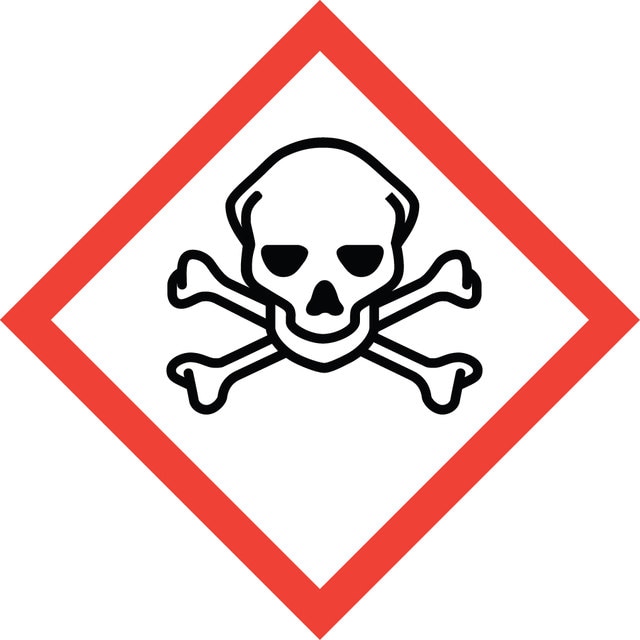

signalword
Danger
hcodes
Hazard Classifications
Acute Tox. 3 Dermal - Acute Tox. 4 Oral - Eye Dam. 1 - Skin Corr. 1B
저장 등급
6.1A - Combustible acute toxic Cat. 1 and 2 / very toxic hazardous materials
wgk
WGK 2
flash_point_f
168.8 °F - closed cup
flash_point_c
76 °C - closed cup
ppe
Faceshields, Gloves, Goggles, type ABEK (EN14387) respirator filter