
270504-M

Hexane
≥95%, suitable for HPLC
Synonym(s):
n-Hexane
Select a Size
About This Item
Product Name
Hexane, suitable for HPLC, ≥95%
grade
HPLC grade
vapor density
~3 (vs air)
vapor pressure
256 mmHg ( 37.7 °C), 5.2 psi ( 37.7 °C), ~132 mmHg ( 20 °C)
assay
≥95%
form
liquid
autoignition temp.
453 °F
expl. lim.
7.7 %
technique(s)
HPLC: suitable
impurities
<0.02% water
evapn. residue
<0.0005%
refractive index
n20/D 1.375 (lit.)
bp
69 °C
mp
−95 °C (lit.)
density
0.659 g/mL at 25 °C (lit.)
λ
H2O reference
UV absorption
λ: 195 nm Amax: 1.0, λ: 210 nm Amax: 0.30, λ: 220 nm Amax: 0.10, λ: 230 nm Amax: 0.05, λ: 240 nm Amax: 0.02, λ: 250-400 nm Amax: 0.01
SMILES string
CCCCCC
InChI
1S/C6H14/c1-3-5-6-4-2/h3-6H2,1-2H3
InChI key
VLKZOEOYAKHREP-UHFFFAOYSA-N
Application
- Effect of Cannabis sativa L. extracts, phytocannabinoids and their acetylated derivates on the SHSY-5Y neuroblastoma cells′ viability and caspases 3/7 activation.: This study explores the effects of various Cannabis sativa extracts on neuroblastoma cells, highlighting the use of hexane in the extraction process to isolate specific compounds (Tapia-Tapia et al., 2024, Tapia-Tapia et al., 2024).
- Chemical Composition and Antimicrobial Properties of Morchella crassipes (Ascomycota) from Kashmir Valley (India).: This research details the chemical composition of Morchella crassipes, utilizing hexane for extraction to analyze its antimicrobial properties (Talie et al., 2024, Talie et al., 2024).
- Comparative Study of Gas and Liquid Chromatography Methods for the Determination of Underivatised Neutral and Acidic Cannabinoids and Cholesterol.: The study compares chromatographic techniques, including the use of hexane as a solvent, for analyzing cannabinoids and cholesterol (Czauderna et al., 2024, Czauderna et al., 2024).
- Magnetic field assisted centrifugal acceleration thin-layer chromatography: An approach to investigate the magnetic field effects on separation parameters including retention factor difference, selectivity factor, and resolution.: This paper investigates the impact of magnetic fields on chromatographic separation, employing hexane in the chromatographic process (Namdari et al., 2024, Namdari et al., 2024).
- Phytochemical study of Magonia pubescens A. St.-Hil. and cytotoxicity of branches aqueous extract on breast cancer and leukemia cells.: This research uses hexane for extracting phytochemicals from Magonia pubescens, assessing their cytotoxic effects on cancer cells (Moraes et al., 2024, Moraes et al., 2024).
Still not finding the right product?
Explore all of our products under Hexane
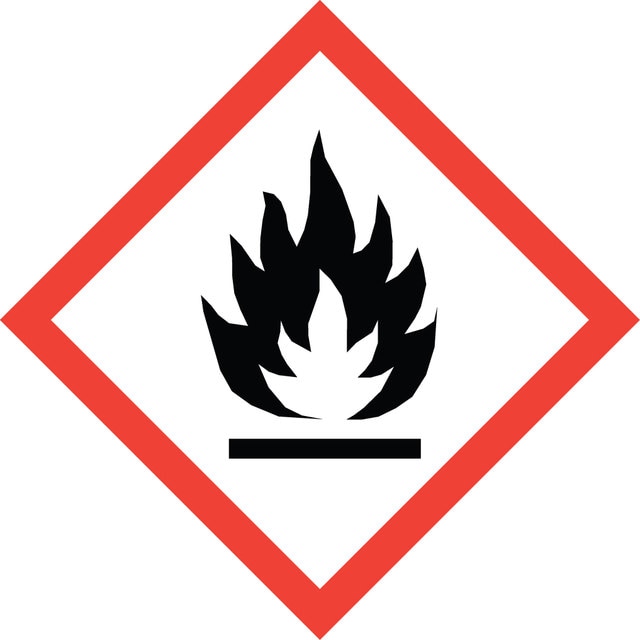
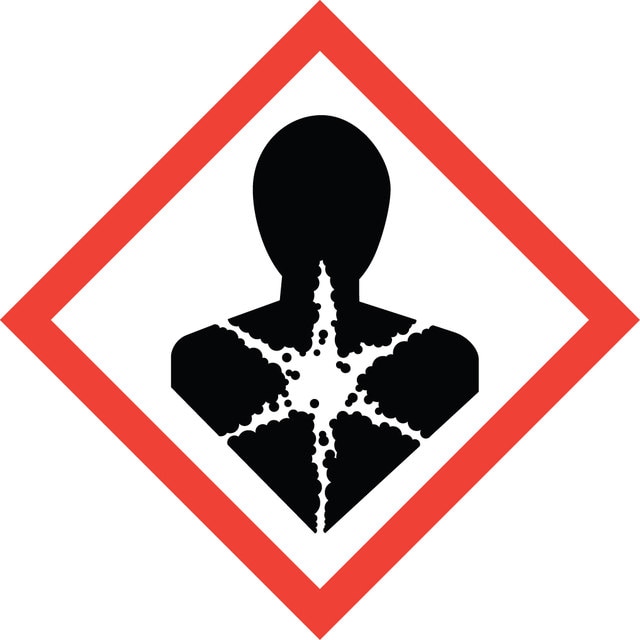

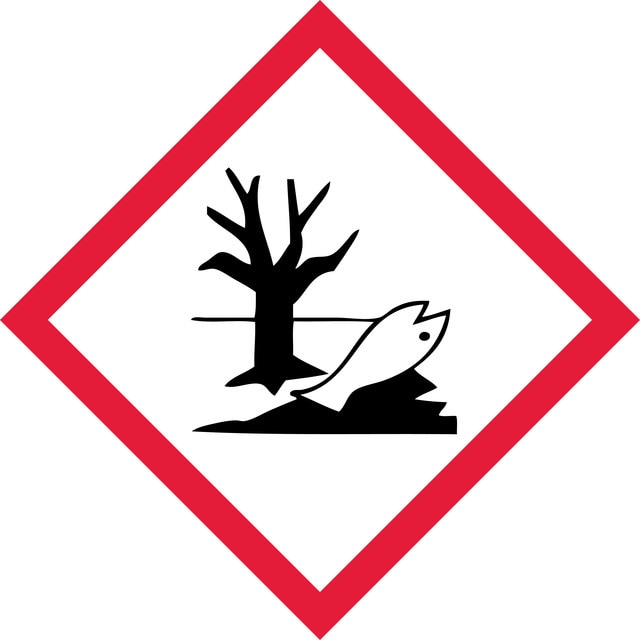
signalword
Danger
target_organs
Central nervous system, Nervous system
Storage Class
3 - Flammable liquids
flash_point_f
-14.8 °F - closed cup
flash_point_c
-26.00 °C - closed cup
Hazard Classifications
Aquatic Chronic 2 - Asp. Tox. 1 - Flam. Liq. 2 - Repr. 2 - Skin Irrit. 2 - STOT RE 1 Inhalation - STOT SE 3
Regulatory Listings
Regulatory Listings are mainly provided for chemical products. Only limited information can be provided here for non-chemical products. No entry means none of the components are listed. It is the user’s obligation to ensure the safe and legal use of the product.
110-54-3
Certificates of Analysis (COA)
Search for Certificates of Analysis (COA) by entering the products Lot/Batch Number. Lot and Batch Numbers can be found on a product’s label following the words ‘Lot’ or ‘Batch’.
Already Own This Product?
Find documentation for the products that you have recently purchased in the Document Library.