
Sign In to View Organizational & Contract Pricing.
Select a Size
Change View
About This Item
Empirical Formula (Hill Notation):
C9H11F2N3O4 · HCl
CAS Number:
Molecular Weight:
299.66
UNSPSC Code:
12352200
PubChem Substance ID:
NACRES:
NA.77
MDL number:
Assay:
≥98% (HPLC)
Form:
powder
Quality level:
Storage condition:
desiccated, protect from light
Product Name
Gemcitabine hydrochloride, ≥98% (HPLC)
Quality Level
assay
≥98% (HPLC)
form
powder
storage condition
desiccated, protect from light
solubility
H2O: ≥10 mg/mL
originator
Eli Lilly
storage temp.
room temp
SMILES string
Cl.NC1=NC(=O)N(C=C1)[C@@H]2O[C@H](CO)[C@@H](O)C2(F)F
InChI
1S/C9H11F2N3O4.ClH/c10-9(11)6(16)4(3-15)18-7(9)14-2-1-5(12)13-8(14)17;/h1-2,4,6-7,15-16H,3H2,(H2,12,13,17);1H/t4-,6-,7-;/m1./s1
InChI key
OKKDEIYWILRZIA-OSZBKLCCSA-N
Gene Information
General description
Gemcitabineis a pyrimidine nucleoside analog of deoxycytidine. It exhibits anticancereffects against various cancers.
Application
Gemcitabinehydrochloride has been used as a chemotherapeutic agent to study its effects onthe human pancreatic adenocarcinoma cell lineIt has been used as a chemotherapeutic to study its resistance inpancreatic stellate cells (PSCs)It has also been used to study its effects on patient-derivedxenograft (PDX) organoids.
Biochem/physiol Actions
Gemcitabine is a widely used antineoplastic agent and antimetabolite.
Gemcitabine is a widely used antitumor agents in both clinics and research labs. It is an antineoplastic agent and antimetabolite.
Features and Benefits
This compound is a featured product for Apoptosis research. Click here to discover more featured Apoptosis products. Learn more about bioactive small molecules for other areas of research at sigma.com/discover-bsm.
This compound was developed by Eli Lilly. To browse the list of other pharma-developed compounds and Approved Drugs/Drug Candidates, click here.
Still not finding the right product?
Explore all of our products under Gemcitabine hydrochloride
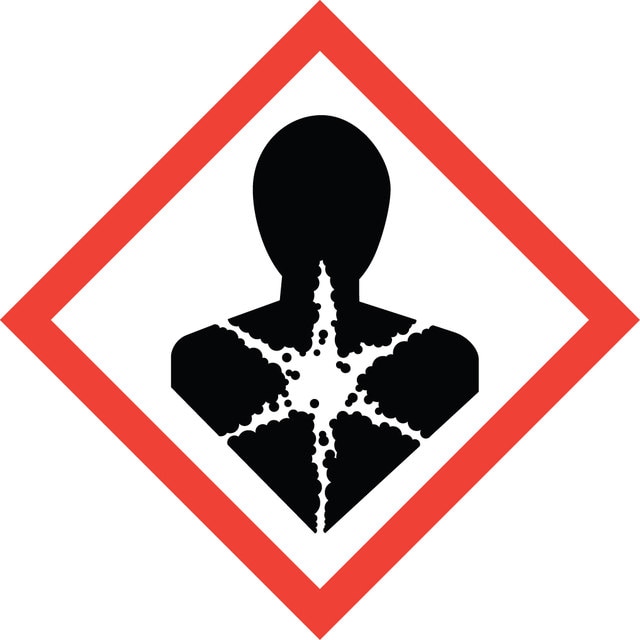
signalword
Danger
hcodes
Hazard Classifications
Repr. 1B
Storage Class
6.1C - Combustible acute toxic Cat.3 / toxic compounds or compounds which causing chronic effects
wgk
WGK 3
flash_point_f
Not applicable
flash_point_c
Not applicable
Choose from one of the most recent versions:
Already Own This Product?
Find documentation for the products that you have recently purchased in the Document Library.
Bei-Ping Miao et al.
Cellular & molecular immunology, 12(6), 750-756 (2014-12-30)
The prevalence of nasopharyngeal cancer (NPC) is high in the southern area of China and some other districts in the world. The pathogenesis of NPC is unclear. It is reported that some microRNAs (miR) are involved in the progression of
Jun Young Park et al.
Molecular therapy. Nucleic acids, 12, 543-553 (2018-09-10)
Gemcitabine has been considered a first-line chemotherapy agent for the treatment of pancreatic cancer. However, the initial response rate of gemcitabine is low and chemoresistance occurs frequently. Aptamers can be effectively internalized into cancer cells via binding to target molecules
Nikki K Lytle et al.
Cell, 177(3), 572-586 (2019-04-09)
Drug resistance and relapse remain key challenges in pancreatic cancer. Here, we have used RNA sequencing (RNA-seq), chromatin immunoprecipitation (ChIP)-seq, and genome-wide CRISPR analysis to map the molecular dependencies of pancreatic cancer stem cells, highly therapy-resistant cells that preferentially drive tumorigenesis
