
1.00443

Nitric acid
65%, EMPLURA®
Synonym(s):
Nitric acid solution
Select a Size
About This Item
Product Name
Nitric acid 65%, EMPLURA®
vapor pressure
9.4 hPa ( 20 °C)
Quality Level
product line
EMPLURA®
form
liquid
concentration
64.3-66.4% HNO3
impurities
≤0.0001% As (Arsenic), ≤0.0003% Chloride (Cl), ≤0.0004% Fe (Iron), ≤0.0005% Heavy metals (as Pb), ≤0.001% Ca (Calcium), ≤0.001% NH4 (Ammonium), ≤0.001% Sulfate (SO4), ≤0.003% Nitrogen oxides (as N2O3)
pH
<1 (20 °C in H2O, strongly acid)
bp
121 °C/1013 hPa
mp
-32 °C
solubility
water: soluble at 20 °C
density
1.39 g/cm3 at 20 °C
storage temp.
2-30°C
SMILES string
O[N+]([O-])=O
InChI
1S/HNO3/c2-1(3)4/h(H,2,3,4)
InChI key
GRYLNZFGIOXLOG-UHFFFAOYSA-N
Looking for similar products? Visit Product Comparison Guide
Related Categories
Application
- In-vitro evaluation of microleakage of bioceramic root-end filling materials: A spectrophotometric study.: This research employed 65% nitric acid for sample preparation in the spectrophotometric analysis of microleakage in dental materials, providing insights into the effectiveness of different bioceramic materials (Gupta and Kewalramani, 2021).
- A comparative evaluation of resin- and varnish-based surface protective agents on glass ionomer cement - a spectrophotometric analysis.: The study used 65% nitric acid for the preparation of glass ionomer cement samples to evaluate the effectiveness of surface protective agents through spectrophotometric methods (Tyagi et al., 2020).
- Spectrophotometric analysis evaluating apical microleakage in retrograde filling using GIC, MTA and biodentine: an in-vitro study.: This research utilized 65% nitric acid in the preparation of samples for the evaluation of microleakage in dental restorative materials, highlighting the performance of various materials in preventing leakage (Nepal et al., 2020).
- Influence of stacked structure of carbons modified on its surface on n-pentane adsorption.: This study applied 65% nitric acid for surface modification of carbon materials, investigating the effects on adsorption properties, with significant findings on how surface structure influences adsorption efficiency (Carvajal-Bernal et al., 2019).
Analysis Note
Identity: passes test
Appearance of solution: passes test
Chloride (Cl): ≤ 0.0003 %
Iodate, Bromate: passes test
Nitrogen oxides (as N₂O₃): ≤ 0.003 %
Sulfate (SO₄): ≤ 0.001 %
Heavy metals (as Pb): ≤ 0.0005 %
As (Arsenic): ≤ 0.0001 %
Ca (Calcium): ≤ 0.001 %
Fe (Iron): ≤ 0.0004 %
NH₄ (Ammonium): ≤ 0.001 %
Residual solvents (ICH Q3C): ...excluded by production process
Evaporation residue: ≤ 0.01
Date of expiry: see product label
Legal Information
signalword
Danger
Hazard Classifications
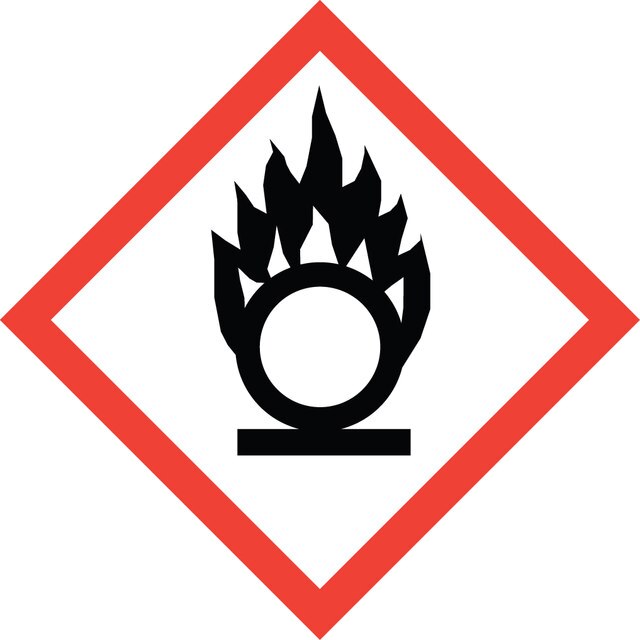
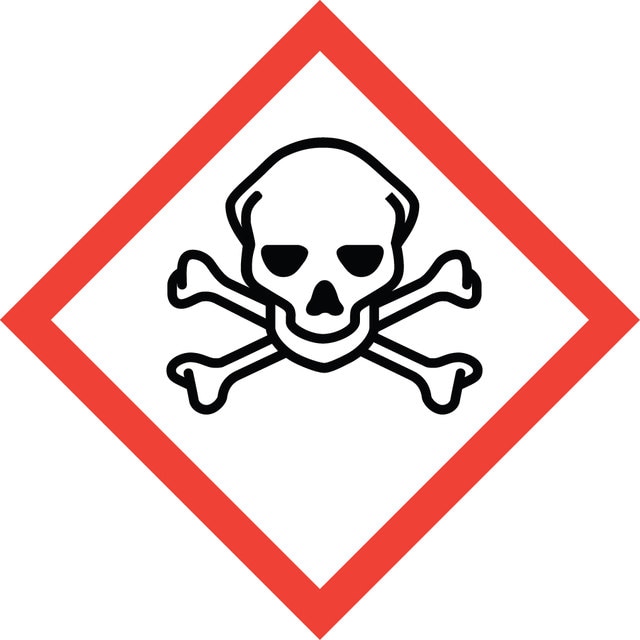
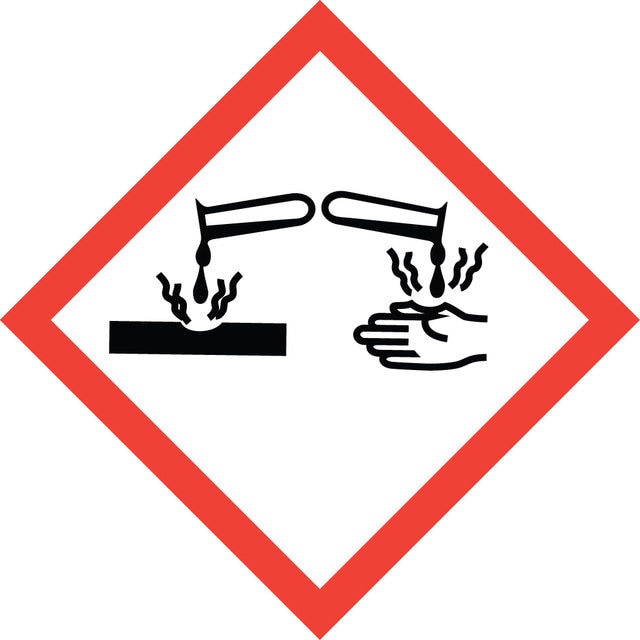
Acute Tox. 3 Inhalation - Eye Dam. 1 - Met. Corr. 1 - Ox. Liq. 3 - Skin Corr. 1A
supp_hazards
Storage Class
5.1B - Oxidizing hazardous materials
wgk
WGK 1
flash_point_f
Not applicable
flash_point_c
Not applicable
hcodes
Certificates of Analysis (COA)
Search for Certificates of Analysis (COA) by entering the products Lot/Batch Number. Lot and Batch Numbers can be found on a product’s label following the words ‘Lot’ or ‘Batch’.
Already Own This Product?
Find documentation for the products that you have recently purchased in the Document Library.
Global Trade Item Number
| SKU | GTIN |
|---|---|
| 1.00443.1000 | 04022536006383 |
| 1.00443.2500 | 04022536006406 |
| 1.00443.9025 | 04022536006420 |
Our team of scientists has experience in all areas of research including Life Science, Material Science, Chemical Synthesis, Chromatography, Analytical and many others.
Contact Technical Service