
203149

Copper(II) chloride
99.999% trace metals basis
Synonym(s):
Cupric chloride
Select a Size
About This Item
InChI key
ORTQZVOHEJQUHG-UHFFFAOYSA-L
InChI
1S/2ClH.Cu/h2*1H;/q;;+2/p-2
SMILES string
Cl[Cu]Cl
assay
99.999% trace metals basis
form
powder
reaction suitability
core: copper, reagent type: catalyst
impurities
≤15.0 ppm Trace Metal Analysis
mp
620 °C (lit.)
density
3.386 g/mL at 25 °C (lit.)
Quality Level
Looking for similar products? Visit Product Comparison Guide
General description
Application
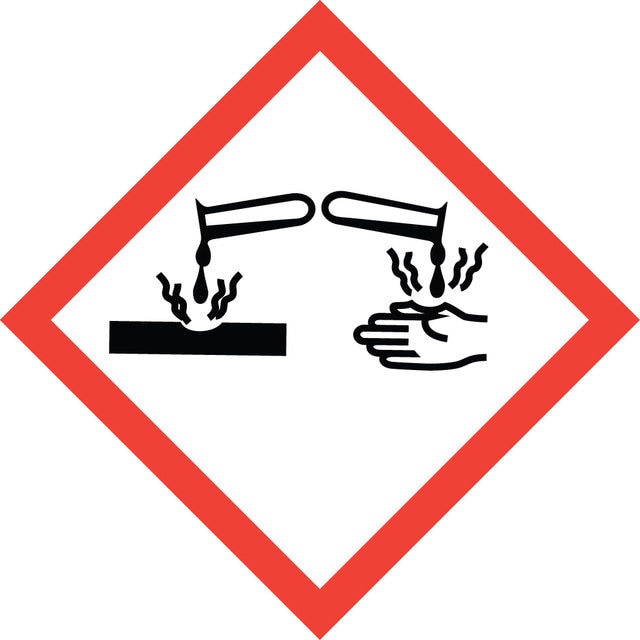

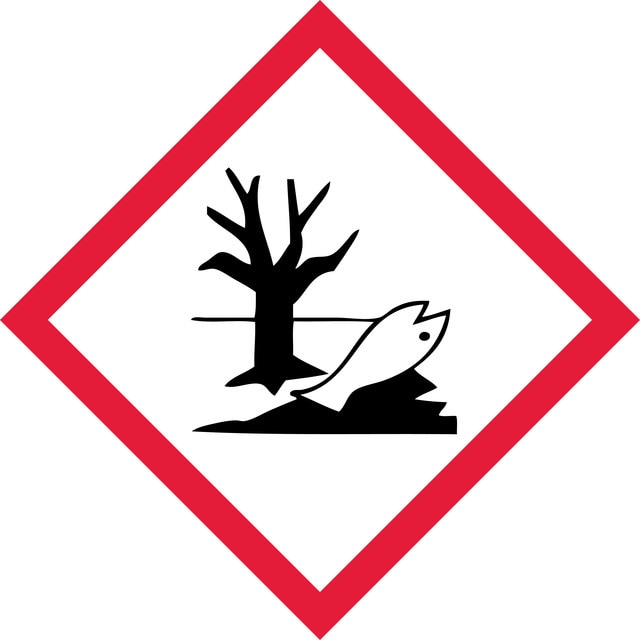
signalword
Danger
Hazard Classifications
Acute Tox. 4 Dermal - Acute Tox. 4 Oral - Aquatic Acute 1 - Aquatic Chronic 2 - Eye Dam. 1 - Skin Irrit. 2
Storage Class
8A - Combustible corrosive hazardous materials
wgk
WGK 3
flash_point_f
Not applicable
flash_point_c
Not applicable
ppe
dust mask type N95 (US), Eyeshields, Gloves
Regulatory Listings
Regulatory Listings are mainly provided for chemical products. Only limited information can be provided here for non-chemical products. No entry means none of the components are listed. It is the user’s obligation to ensure the safe and legal use of the product.
Deleterious substance
pdsc
Class I Designated Chemical Substances
prtr
Substances Subject to be Indicated Names
ishl_indicated
Substances Subject to be Notified Names
ishl_notified
203149-50G:4548173113999 + 203149-BULK: + 203149-10G:4548173113982 + 203149-VAR:
jan
Choose from one of the most recent versions:
Already Own This Product?
Find documentation for the products that you have recently purchased in the Document Library.
Articles
Oxidation and reduction reactions are some of the most common transformations encountered in organic synthesis
ペロブスカイト型酸化物や関連物質は、その柔軟性の高さから、新たな熱電材料の探索や最適化に関する非常に大きな可能性を持っています。
貴金属ナノ構造体は、さまざまな分野で表面特性を活用して、触媒から生物医学研究に至るまで多様な用途が見出されています。
スペクトル変換におけるランタノイドイオンは、光子変換によって太陽電池の効率を高めます。
Protocols
We present an article about RAFT, or Reversible Addition/Fragmentation Chain Transfer, which is a form of living radical polymerization.
Polymerization via ATRP procedures demonstrated by Prof. Dave Haddleton's research group at the University of Warwick.
We presents an article featuring procedures that describe polymerization of methyl methacrylate and vinyl acetate homopolymers and a block copolymer as performed by researchers at CSIRO.
ウォーリック大学のProf. Dave Haddletonの研究グループによって実証された、ATRPによる重合。
Related Content
改良ポリオールプロセスによる、銀ナノワイヤ合成方法の一例をご紹介します。
Our team of scientists has experience in all areas of research including Life Science, Material Science, Chemical Synthesis, Chromatography, Analytical and many others.
Contact Technical Service