
216143

Tetrabutylammonium fluoride solution
1.0 M in THF
Synonym(s):
TBAF solution
Select a Size
About This Item
form
liquid
Quality Level
reaction suitability
core: ammonium
concentration
1.0 M in THF
impurities
~5 wt. % water
density
0.903 g/mL at 25 °C
functional group
amine
storage temp.
2-8°C
SMILES string
[F-].CCCC[N+](CCCC)(CCCC)CCCC
InChI
1S/C16H36N.FH/c1-5-9-13-17(14-10-6-2,15-11-7-3)16-12-8-4;/h5-16H2,1-4H3;1H/q+1;/p-1
InChI key
FPGGTKZVZWFYPV-UHFFFAOYSA-M
Application
- Triple monoamine reuptake inhibitors as a new generation of antidepressants
- Alcohols via hydrolysis of alkyl silyl ethers neutral pH in mixed organic-aqueous buffered solutions
- Oligoribonucleotides with phosphonate-modified linkages
- Aryl alkyl alcohols via Nozaki-Hiyama allylation catalyzed by chiral bipyridyldiol ligands and chromium trichloride
- Conjugated dienoic acid esters using Suzuki coupling reactions
- Macrocyclic o-aminobenzamide Hsp90 inhibitorwith antitumor activity
- Phospshoinositide 3-kinase (PI3K)/mammalian target of rapamycin (mTOR) dual inhibitors
- Anti-diabetic polyacetylenic glucosides
- For the deprotection of silyl and N-sulfonyl groups.
- In the fluorination reactions.
- To synthesize 2-substituted indoles by cyclization reaction of various 2-ethynylanilines with terminal alkynes using Pd catalyst. It can also be used as an activator in the synthesis of arylated or alkenylated alkynes by the coupling reaction of aryl and alkenyl halides with terminal alkynes in the presence of Pd catalyst.
Still not finding the right product?
Explore all of our products under Tetrabutylammonium fluoride solution
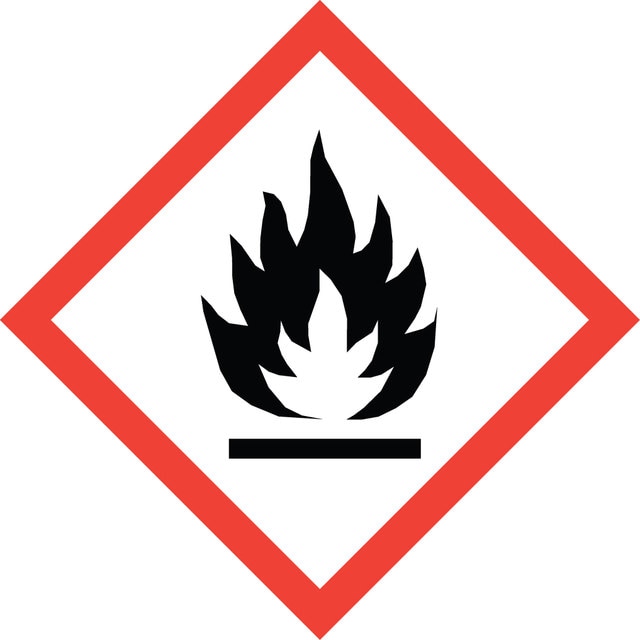
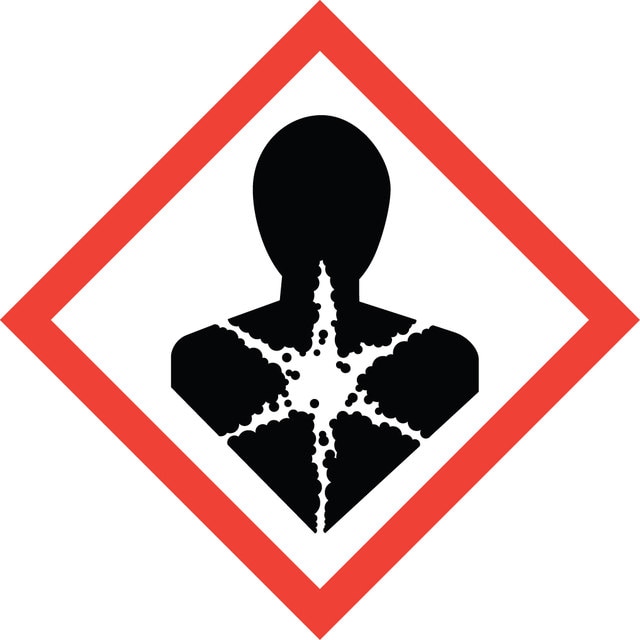

signalword
Danger
Hazard Classifications
Acute Tox. 4 Oral - Aquatic Chronic 3 - Carc. 2 - Eye Irrit. 2 - Flam. Liq. 2 - Repr. 2 - Skin Irrit. 2 - STOT SE 3
target_organs
Central nervous system, Respiratory system
supp_hazards
Storage Class
3 - Flammable liquids
wgk
WGK 3
flash_point_f
1.4 °F - closed cup
flash_point_c
-17 °C - closed cup
Regulatory Listings
Regulatory Listings are mainly provided for chemical products. Only limited information can be provided here for non-chemical products. No entry means none of the components are listed. It is the user’s obligation to ensure the safe and legal use of the product.
Class I Designated Chemical Substances
prtr
Group 4: Flammable liquids + Type 1 petroleums + Hazardous rank II + Water insoluble liquid
fsl
Substances Subject to be Indicated Names
ishl_indicated
Substances Subject to be Notified Names
ishl_notified
216143-20L:4.548173250861E12 + 216143-500ML:4.548173117034E12 + 216143-2.5L:4.54817311701E12 + 216143-100ML:4.548173117003E12 + 216143-1L:4.54817334274E12 + 216143-5ML:4.548173117041E12 + 216143-2L:4.548173117027E12 + 216143-50ML:4.548173332901E12
jan
Choose from one of the most recent versions:
Already Own This Product?
Find documentation for the products that you have recently purchased in the Document Library.
Articles
クリックケミストリーのための高分子末端へのアジド基とアルキン基の導入について、具体例を示しています。
Click chemistry, and the copper(I)-catalyzed azide-alkyne cycloaddition (CuAAC) in particular, is a powerful new synthetic tool in polymer chemistry and material science.