
274135

N,N-Dimethylacrylamide
99%, contains 500 ppm monomethyl ether hydroquinone as inhibitor
Synonym(s):
2-Propenamide
Select a Size
About This Item
InChI key
YLGYACDQVQQZSW-UHFFFAOYSA-N
InChI
1S/C5H9NO/c1-4-5(7)6(2)3/h4H,1H2,2-3H3
SMILES string
CN(C)C(=O)C=C
assay
99%
form
liquid
contains
500 ppm monomethyl ether hydroquinone as inhibitor
refractive index
n20/D 1.473 (lit.)
bp
80-81 °C/20 mmHg (lit.)
density
0.962 g/mL at 25 °C (lit.)
Quality Level
Related Categories
General description
Application
- Synthesis of poly(N,N-dimethylacrylamide) (PDMAA) nanoparticles which are used in biomedical and drug delivery applications.
- Use as a co-monomer in the synthesis of thermoresponsive polymers used in smart coatings, adhesives, and sensors.
- As a reactive diluent in the manufacture of UV-cured coatings and inks.
- Use as a co-monomer with polyethylene glycol dimethacrylate (PEGDMA) and a chitosan derivative to develop an injectable hydrogel that can be used as a bone tissue engineering matrix.
- A series of DMMA-based hydrogels for the removal of heavy metals and organic dyes from polluted water. These hydrogels are highly efficient in removing cationic dyes due to electrostatic interaction and hydrogen bonding in the DMMA backbone.
- Non-toxic luminescent carbon dot/poly(DMMA) nanocomposite via surface-initiated reversible addition-fragmentation chain transfer polymerization.
- Polymer coating for quartz crystal microbalance(QCM) sensor. The poly(DMMA) gel acts as a sensing material to adsorb Au(III) ions from HCl aqueous solution and it is inactive to most other metal ions and organic compounds.
Features and Benefits
- It is an appropriate precursor for copolymerization due to its low initiation temperature and high reactivity.
- Its unique structure forms a 3D network and improves the water retention capacity of hydrogels.
- It is highly soluble in water.
- It can easily bind to colloidal particles to enhance the bridging effect which plays a key role in flocculation.
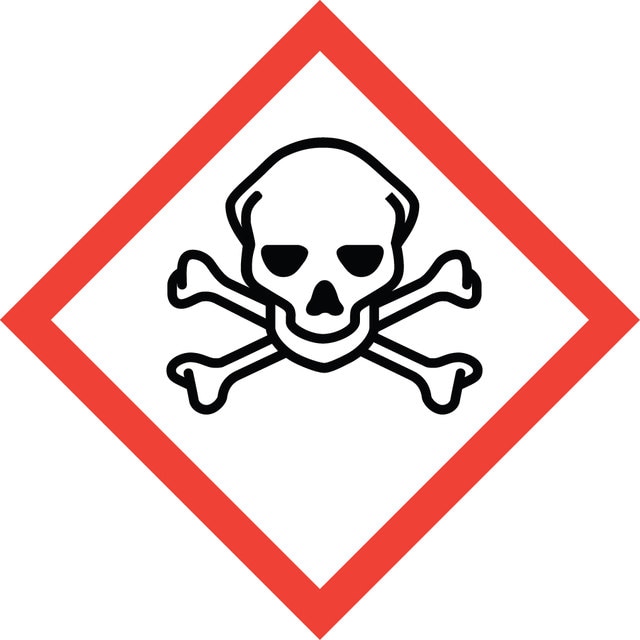
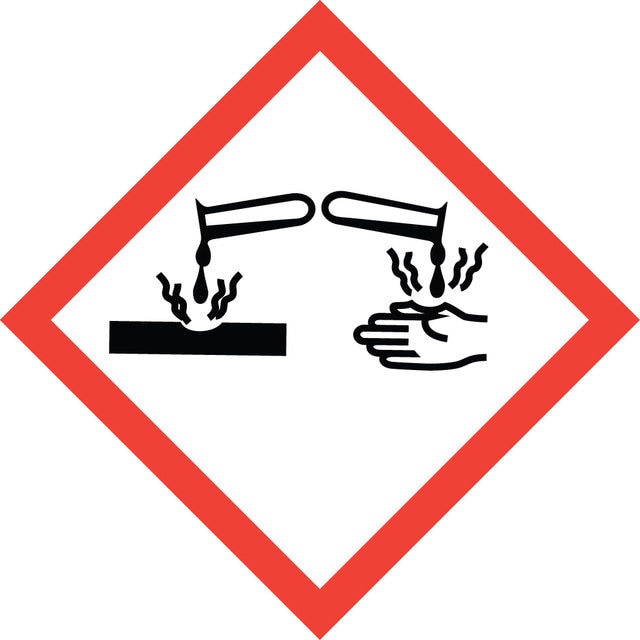
signalword
Danger
hcodes
Hazard Classifications
Acute Tox. 3 Dermal - Acute Tox. 3 Oral - Eye Dam. 1
Storage Class
6.1C - Combustible acute toxic Cat.3 / toxic compounds or compounds which causing chronic effects
wgk
WGK 1
flash_point_f
158.0 °F
flash_point_c
70 °C
ppe
Eyeshields, Faceshields, Gloves, type ABEK (EN14387) respirator filter
Regulatory Listings
Regulatory Listings are mainly provided for chemical products. Only limited information can be provided here for non-chemical products. No entry means none of the components are listed. It is the user’s obligation to ensure the safe and legal use of the product.
Group 4: Flammable liquids + Type 3 petroleums + Hazardous rank III + Water soluble liquid
fsl
Substances Subject to be Indicated Names
ishl_indicated
Substances Subject to be Notified Names
ishl_notified
274135-100ML: + 274135-VAR: + 274135-500ML: + 274135-BULK: + 274135-5ML: + 274135-15L:
jan
Choose from one of the most recent versions:
Already Own This Product?
Find documentation for the products that you have recently purchased in the Document Library.
Articles
眼科用モノマーは、純度、信頼性と快適性を目標としており、コンタクトレンズをより手頃な価格にするためイノベーションを推進します。
Monomers for ophthalmic use aim for purity, reliability, and comfort, driving innovation for affordable contact lenses.
Related Content
有機合成・材料科学のセールを開催中!約18,000点を希望販売価格が最大70%OFFでご提供
Our team of scientists has experience in all areas of research including Life Science, Material Science, Chemical Synthesis, Chromatography, Analytical and many others.
Contact Technical Service