Skip to Content
Merck

333972

Zirconium(IV) propoxide solution

70 wt. % in 1-propanol

Synonym(s):

Tetrapropyl zirconate

Sign In to View Organizational & Contract Pricing.

Select a Size

Change View

About This Item

Linear Formula:
Zr(OCH2CH2CH3)4
CAS Number:
Molecular Weight:
327.57
UNSPSC Code:
12352103
NACRES:
NA.23
PubChem Substance ID:
MDL number:
Beilstein/REAXYS Number:
3679533
Technical Service
Need help? Our team of experienced scientists is here for you.
Let Us Assist


form

solution

Quality Level

composition

Zr, 18.1-22.3% gravimetric

reaction suitability

core: zirconium, reagent type: catalyst

concentration

70 wt. % in 1-propanol

refractive index

n20/D 1.451

bp

208 °C/0.1 mmHg

density

1.044 g/mL at 25 °C

SMILES string

CCCO[Zr](OCCC)(OCCC)OCCC

InChI

1S/4C3H7O.Zr/c4*1-2-3-4;/h4*2-3H2,1H3;/q4*-1;+4

InChI key

XPGAWFIWCWKDDL-UHFFFAOYSA-N

General description

Zirconium(IV) propoxide solution (commonly referred to as zirconium(IV) tetrapropoxide or zirconium(IV) n-propoxide) is a clear, very pale yellow liquid composed of approximately 70% zirconium(IV) propoxide dissolved in 1-propanol. It serves as a precursor in solution and vapor deposition processes, particularly in the preparation of zirconia-based materials and thin films. Its solubility in organic solvents and volatility make it suitable for sol-gel synthesis and chemical vapor deposition (CVD) techniques. It is also used as an inorganic catalyst in organic synthesis, benefiting from zirconium′s Lewis acidic properties.

Application

Zirconium(IV) propoxide solution is a metal alkoxide solution that is highly reactive with water. It can be used as a precursor material for the synthesis of zirconium oxide thin films by atmospheric pressure electrospray. Zirconium(IV) propoxide can also be used in the preparation of stable sols for potential usage in optical, electronic and magnetic applications.

Features and Benefits

  • Volatile Precursor: Ideal for vapor-phase deposition techniques such as CVD and ALD.
  • High Concentration: Contains 70 wt.% Zirconium(IV) propoxide in 1-propanol for efficient delivery of active zirconium.
  • Ready-to-Use Solution: Pre-dissolved in 1-propanol, offering convenience and ease of handling.

signalword

Danger

Hazard Classifications

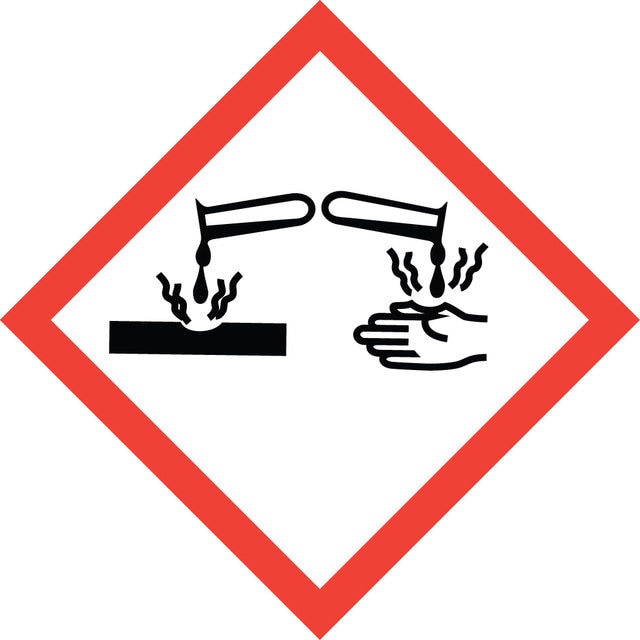
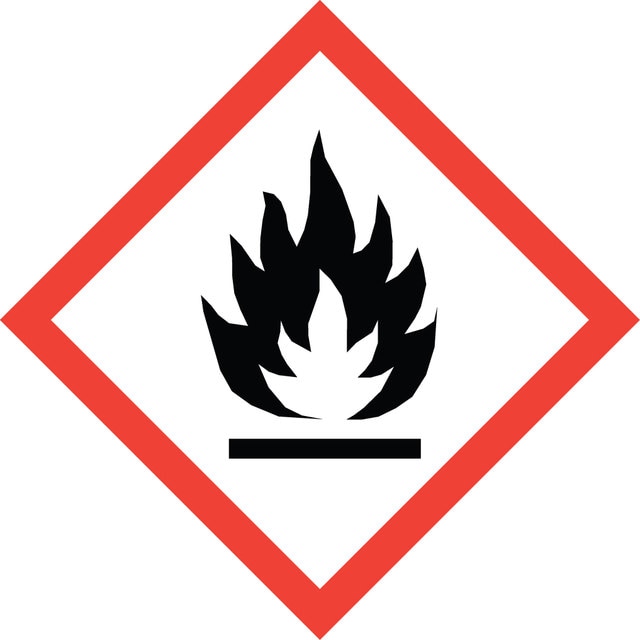
Eye Dam. 1 - Flam. Liq. 3 - STOT SE 3

target_organs

Respiratory system

Storage Class

3 - Flammable liquids

wgk

WGK 3

flash_point_f

82.9 °F - closed cup

flash_point_c

28.3 °C - closed cup

ppe

Eyeshields, Faceshields, Gloves, type ABEK (EN14387) respirator filter


Regulatory Listings

Regulatory Listings are mainly provided for chemical products. Only limited information can be provided here for non-chemical products. No entry means none of the components are listed. It is the user’s obligation to ensure the safe and legal use of the product.

Group 4: Flammable liquids + Type 2 petroleums + Hazardous rank III + Water insoluble liquid

fsl

Substances Subject to be Indicated Names

ishl_indicated

Substances Subject to be Notified Names

ishl_notified

333972-500ML:4.54817395495E12 + 333972-100ML:4.548173954943E12

jan


Choose from one of the most recent versions:

Certificates of Analysis (COA)

Lot/Batch Number

Don't see the Right Version?

If you require a particular version, you can look up a specific certificate by the Lot or Batch number.

Already Own This Product?

Find documentation for the products that you have recently purchased in the Document Library.

Visit the Document Library


Articles

形状から機能へ:コロイド結晶鋳型法による3次元的な多孔質材料の構築

ナノワイヤは、ナノスケールの電子的および構造的制御によってバルク材料の限界を克服し、次世代デバイスや応用の実現に貢献することが期待されています。

環境発電およびセンシングにおけるPZTナノワイヤの応用の可能性と、二段階水熱法で作製したナノワイヤの詳細について論じます。

View All Articles

Heine, M.C.; et al.
Combustion and Flame, 144 (4), 809-820 (2006)
Sol-gel templating of membranes to form thick, porous titania, titania/zirconia and titania/silica films
Schattka JH, et al.
Journal of Materials Chemistry, 16(15), 1414-1420 (2006)
Ruohong Sui et al.
Langmuir : the ACS journal of surfaces and colloids, 22(9), 4390-4396 (2006-04-19)
The objective of the present study was to synthesize porous ZrO2 aerogels with a nanostructure via a direct sol-gel route in the green solvent supercritical carbon dioxide (scCO2). The synthesis involved the coordination and polycondensation of a zirconium alkoxide using