
469300

Hexamethyldisiloxane
viscosity 0.65 cSt (25 °C)
Synonym(s):
Poly(dimethylsiloxane), HMDSO
Select a Size
About This Item
vapor density
>1 (vs air)
Quality Segment
refractive index
n20/D 1.377 (lit.)
viscosity
0.65 cSt(25 °C)
bp
101 °C (lit.)
mp
−59 °C (lit.)
density
0.764 g/mL at 20 °C (lit.)
SMILES string
C[Si](C)(C)O[Si](C)(C)C
InChI
1S/C6H18OSi2/c1-8(2,3)7-9(4,5)6/h1-6H3
InChI key
UQEAIHBTYFGYIE-UHFFFAOYSA-N
Application
- Superhydrophobic Surface Coating: Studies the application of hexamethyldisiloxane coatings on fabric masks via plasma treatment to achieve superhydrophobic properties, enhancing the masks′ resistance to moisture (M Prado et al., 2022).
- PECVD for Thin Film Coatings: Describes the use of hexamethyldisiloxane in plasma-enhanced chemical vapor deposition to create thin film coatings, exploring the effects of using extremely asymmetric capacitive RF discharge (Ž Gosar et al., 2020).
- QCM-Based VOC Sensors: Hexamethyldisiloxane thin films are used as sensitive coatings for quartz crystal microbalance sensors, enhancing their capability to detect various volatile organic compounds (M Boutamine et al., 2014).
- Hydrophobic-Hydrophilic Films: Explores the polymerization of hexamethyldisiloxane using atmospheric pressure plasma jets to create films with tailored hydrophobic and hydrophilic properties (M Bashir, S Bashir, 2015).
Still not finding the right product?
Explore all of our products under Hexamethyldisiloxane
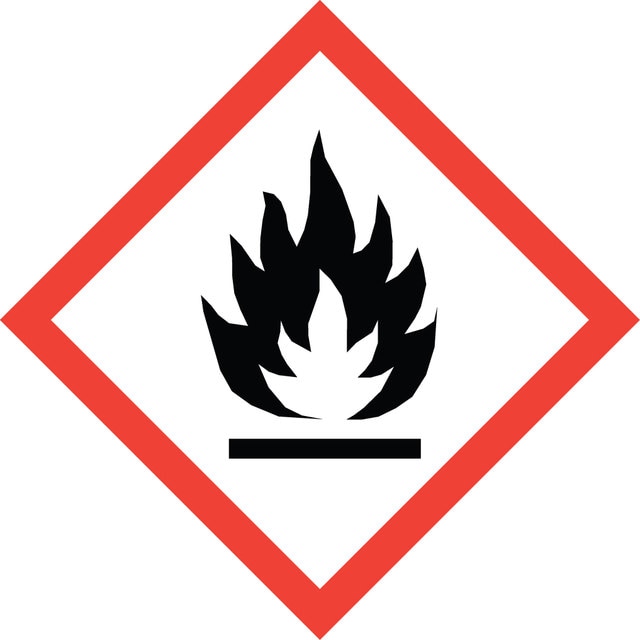
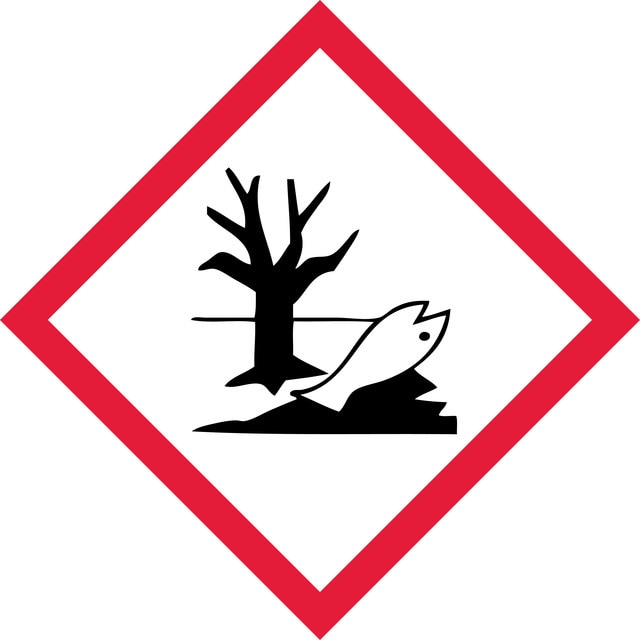
signalword
Danger
hcodes
Hazard Classifications
Aquatic Acute 1 - Aquatic Chronic 1 - Flam. Liq. 2
Storage Class
3 - Flammable liquids
wgk
WGK 2
flash_point_f
21.2 °F - closed cup
flash_point_c
-6 °C - closed cup
ppe
Eyeshields, Faceshields, Gloves, type ABEK (EN14387) respirator filter
Regulatory Listings
Regulatory Listings are mainly provided for chemical products. Only limited information can be provided here for non-chemical products. No entry means none of the components are listed. It is the user’s obligation to ensure the safe and legal use of the product.
Group 4: Flammable liquids + Type 1 petroleums + Hazardous rank II + Water insoluble liquid
fsl
Substances Subject to be Indicated Names
ishl_indicated
Substances Subject to be Notified Names
ishl_notified
469300-50ML:4.548173387031E12 + 469300-250ML:4.548173387024E12
jan
Choose from one of the most recent versions:
Already Own This Product?
Find documentation for the products that you have recently purchased in the Document Library.