
474487

1H,1H,2H,2H-Perfluorodecyl acrylate
contains 100 ppm tert-butylcatechol as inhibitor, 97%
Synonym(s):
3,3,4,4,5,5,6,6,7,7,8,8,9,9,10,10,10-Heptadecafluorodecyl acrylate, 1H,1H,2H,2H-Perfluorodecyl acrylate
Select a Size
About This Item
InChI key
QUKRIOLKOHUUBM-UHFFFAOYSA-N
InChI
1S/C13H7F17O2/c1-2-5(31)32-4-3-6(14,15)7(16,17)8(18,19)9(20,21)10(22,23)11(24,25)12(26,27)13(28,29)30/h2H,1,3-4H2
SMILES string
FC(F)(F)C(F)(F)C(F)(F)C(F)(F)C(F)(F)C(F)(F)C(F)(F)C(F)(F)CCOC(=O)C=C
assay
97%
contains
100 ppm tert-butylcatechol as inhibitor
Quality Level
refractive index
n20/D 1.337 (lit.)
bp
90 °C/4 mmHg (lit.)
density
1.637 g/mL at 25 °C (lit.)
storage temp.
2-8°C
Looking for similar products? Visit Product Comparison Guide
Related Categories
General description
Application
- As a monomer to synthesize block copolymer brushes of the [2-(methacryloyloxy)ethyl] trimethylammonium chloride (PMETAC) and poly(1H, 1H, 2H, 2H-perfluorodecyl Acrylate) (PPFDA). These polymer brushes can be used to reduce friction in microfluidic and biomedical devices.
- To prepare fluorinated block copolymers via chemical vapor deposition(CVD). These are highly transparent and hydrophobic films utilized as biocompatible coatings on optical glasses and commercial optical filters.
- As a precursor to synthesize poly(1H, 1H, 2H, 2H-perfluorodecyl acrylate) nanoparticles which can used as drug carriers and have the ability to cross the blood-brain barrier(BBB). They are utilized for the targeted transport of neuroprotective agents.
- To fabricate anti-fouling and anti-infective surface coating for medical textiles.
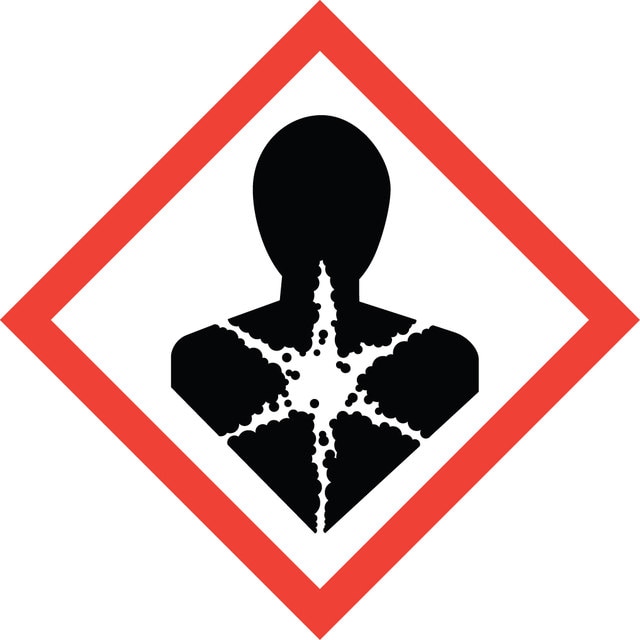
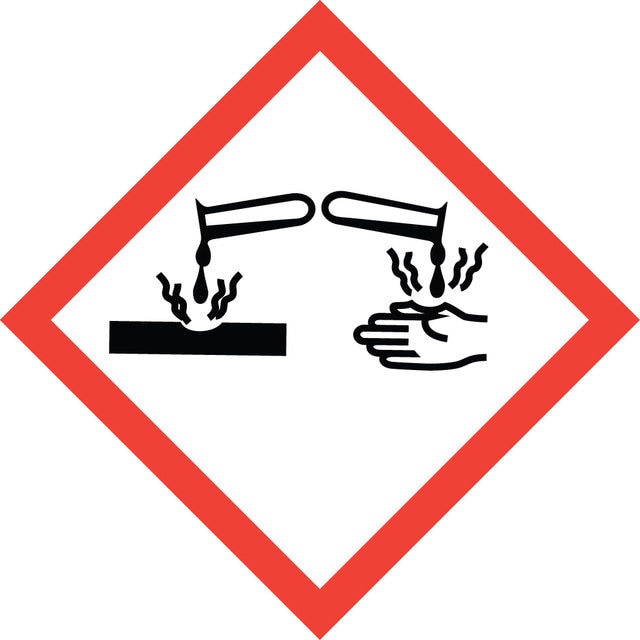

signalword
Danger
Hazard Classifications
Acute Tox. 4 Inhalation - Acute Tox. 4 Oral - Carc. 2 - Eye Dam. 1 - Lact. - Repr. 1B - STOT RE 1
target_organs
Liver
Storage Class
6.1C - Combustible acute toxic Cat.3 / toxic compounds or compounds which causing chronic effects
wgk
WGK 3
flash_point_f
235.4 °F - closed cup
flash_point_c
113 °C - closed cup
ppe
Eyeshields, Gloves, type N95 (US)
Regulatory Listings
Regulatory Listings are mainly provided for chemical products. Only limited information can be provided here for non-chemical products. No entry means none of the components are listed. It is the user’s obligation to ensure the safe and legal use of the product.
Group 4: Flammable liquids + Type 3 petroleums + Hazardous rank III + Water insoluble liquid
fsl
474487-BULK: + 474487-VAR: + Q474487-VAR: + 474487-25ML: + 474487-5ML:
jan
Choose from one of the most recent versions:
Already Own This Product?
Find documentation for the products that you have recently purchased in the Document Library.
Our team of scientists has experience in all areas of research including Life Science, Material Science, Chemical Synthesis, Chromatography, Analytical and many others.
Contact Technical Service