
746746

Lithium hexafluorophosphate solution

in ethylene carbonate and diethyl carbonate, 1.0 M LiPF6 in EC/DEC=50/50 (v/v), battery grade
Synonym(s):
1.0 M LiPF6 EC/DEC=50/50 (v/v)
Select a Size
About This Item
grade
battery grade
Quality Level
form
solution
greener alternative product characteristics
Design for Energy Efficiency
Learn more about the Principles of Green Chemistry.
sustainability
Greener Alternative Product
concentration
(1.0 M LiPF6 in EC/DEC)
impurities
<15 ppm H2O, <50 ppm HF
color
APHA: <50
bp
130 °C
density
1.26 g/mL at 25 °C (lit.)
anion traces
chloride (Cl-): ≤1 ppm, sulfate (SO42-): ≤2 ppm
cation traces
Ca: ≤1 ppm, Fe: ≤1 ppm, K: ≤1 ppm, Na: ≤1 ppm, Pb: ≤1 ppm
application(s)
battery manufacturing
greener alternative category
, Enabling
SMILES string
F[P-](F)(F)(F)(F)F.[Li+]
InChI
1S/F6P.Li/c1-7(2,3,4,5)6;/q-1;+1
InChI key
AXPLOJNSKRXQPA-UHFFFAOYSA-N
General description
Application
The ready-to-use electrolyte solutions are available in different solvent blends and can support a wide variety of lithium ion battery applications. These solutions are high purity and battery grade thus making them also suitable as standards in LIB research. Customized formulations can be made by inter-mixing the electrolyte solutions or by mixing appropriate of additives.
Other Notes
- Do not use with glass equipment
- All work should be done very quickly under dry air to prevent electrolytes from water uptake and solvent vaporization.
Legal Information
Still not finding the right product?
Explore all of our products under Lithium hexafluorophosphate solution
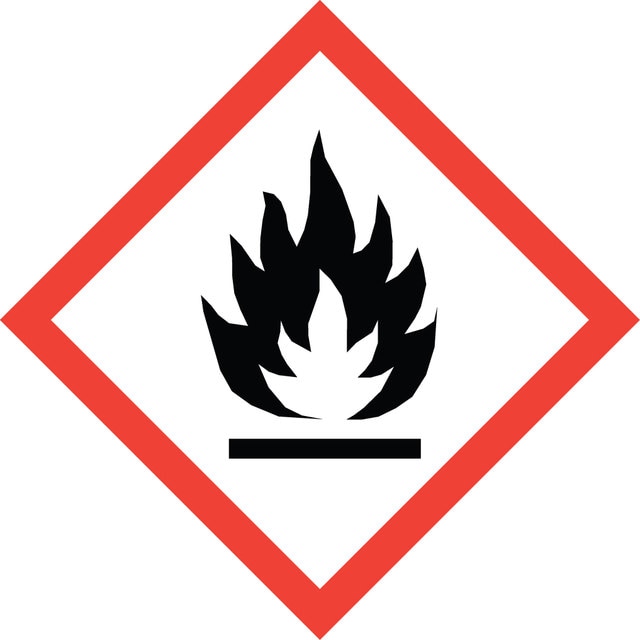
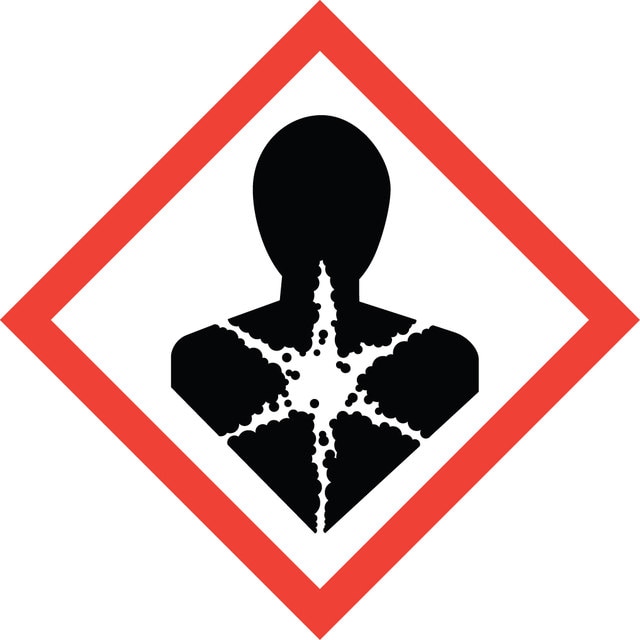

signalword
Danger
Hazard Classifications
Acute Tox. 4 Oral - Eye Irrit. 2 - Flam. Liq. 3 - Skin Irrit. 2 - STOT RE 1 Inhalation - STOT RE 2 Oral
target_organs
Bone,Teeth, Kidney
Storage Class
3 - Flammable liquids
wgk
WGK 2
flash_point_f
86.0 °F
flash_point_c
30 °C
Regulatory Listings
Regulatory Listings are mainly provided for chemical products. Only limited information can be provided here for non-chemical products. No entry means none of the components are listed. It is the user’s obligation to ensure the safe and legal use of the product.
Group 4: Flammable liquids + Type 2 petroleums + Hazardous rank III + Water insoluble liquid
fsl
Substances Subject to be Indicated Names
ishl_indicated
Substances Subject to be Notified Names
ishl_notified
746746-500ML-A:4.548173357492E12 + 746746-100ML:4.548173357485E12
jan
Choose from one of the most recent versions:
Already Own This Product?
Find documentation for the products that you have recently purchased in the Document Library.
Articles
イオン液体電解質は二次電池の進歩のために探求され、将来のIL開発が議論される。
研究者らは、化石燃料の環境負荷を軽減するために、風力や太陽光などの再生可能なエネルギー源の開発を促しました。
次世代正極材料および固体電解質として期待されている材料グループを取り上げ、電池性能および安定性向上における界面反応の重要性と、化学分光法や第一原理計算の必要性について紹介します。
Related Content
電池、燃料電池、スーパーキャパシタはエネルギーの生成および蓄積において電気化学的プロセスに依存しています。それらの動作と電子/イオン輸送の分離を理解します。
Batteries, fuel cells, and supercapacitors rely on electrochemical energy production. Understand their operation and electron/ion transport separation.