
B67201

1-Bromo-4-fluorobenzene
99%
Synonym(s):
1-Fluoro-4-bromobenzene, 4-Bromo-1-fluorobenzene, 4-Fluoro-1-bromobenzene, p-Fluorophenyl bromide
Select a Size
About This Item
Quality Level
assay
99%
refractive index
n20/D 1.527 (lit.)
bp
150 °C (lit.)
mp
−16 °C (lit.)
density
1.593 g/mL at 25 °C (lit.)
SMILES string
Fc1ccc(Br)cc1
InChI
1S/C6H4BrF/c7-5-1-3-6(8)4-2-5/h1-4H
InChI key
AITNMTXHTIIIBB-UHFFFAOYSA-N
General description

signalword
Warning
hcodes
Hazard Classifications
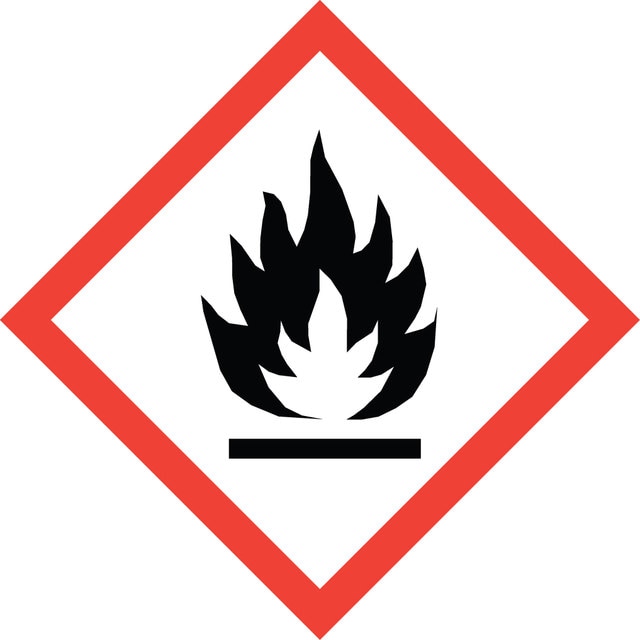
Eye Irrit. 2 - Flam. Liq. 3 - Skin Irrit. 2
Storage Class
3 - Flammable liquids
wgk
WGK 1
flash_point_f
127.4 °F - closed cup
flash_point_c
53 °C - closed cup
ppe
Eyeshields, Faceshields, Gloves, type ABEK (EN14387) respirator filter
Regulatory Listings
Regulatory Listings are mainly provided for chemical products. Only limited information can be provided here for non-chemical products. No entry means none of the components are listed. It is the user’s obligation to ensure the safe and legal use of the product.
Group 4: Flammable liquids + Type 2 petroleums + Hazardous rank III + Water insoluble liquid
fsl
Choose from one of the most recent versions:
Already Own This Product?
Find documentation for the products that you have recently purchased in the Document Library.