
563935

2-Propanol

Greener Alternative
70% in H2O
Synonym(s):
Isopropanol, 2-Propanol, 2-Propanol solution, IPA, Isopropyl alcohol
Select a Size
About This Item
Product Name
Isopropanol, 70% in H2O
vapor density
2.1 (vs air)
Quality Segment
vapor pressure
33 mmHg
form
liquid
expl. lim.
2-13.4 %
greener alternative product characteristics
Safer Solvents and Auxiliaries
Learn more about the Principles of Green Chemistry.
sustainability
Greener Alternative Product
concentration
69-71 wt. % (2-propanol via KFB method), 70% in H2O
bp
80.9-83.2 °C
mp
-89.5 °C
density
0.858 g/mL at 25 °C
greener alternative category
SMILES string
CC(C)O
InChI
1S/C3H8O/c1-3(2)4/h3-4H,1-2H3
InChI key
KFZMGEQAYNKOFK-UHFFFAOYSA-N
General description
Application
- Solvent in organic synthesis
- Chemical intermediate
Features and Benefits
Disclaimer
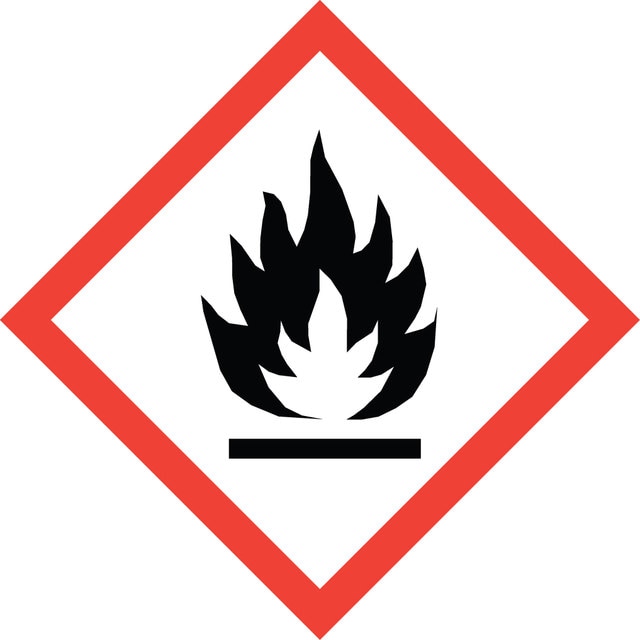

signalword
Danger
hcodes
Hazard Classifications
Eye Irrit. 2 - Flam. Liq. 2 - STOT SE 3
target_organs
Central nervous system
Storage Class
3 - Flammable liquids
wgk
WGK 1
flash_point_f
72.0 °F - closed cup
flash_point_c
22.2 °C - closed cup
Regulatory Listings
Regulatory Listings are mainly provided for chemical products. Only limited information can be provided here for non-chemical products. No entry means none of the components are listed. It is the user’s obligation to ensure the safe and legal use of the product.
Group 4: Flammable liquids + Alcohols + Hazardous rank II
fsl
Substances Subject to be Indicated Names
ishl_indicated
Substances Subject to be Notified Names
ishl_notified
563935-4L:4.548173170664E12 + 563935-2.5L:4.548174005569E12 + 563935-18L:4.54817317064E12 + 563935-1L:4.548173170657E12 + 563935-20L:4.54817327018E12
jan
Choose from one of the most recent versions:
Already Own This Product?
Find documentation for the products that you have recently purchased in the Document Library.