
N3876

(−)-Nicotine
≥99% (GC), Prototype nicotinic acetylcholine receptor agonist, liquid
Synonym(s):
(−)-1-Methyl-2-(3-pyridyl)pyrrolidine, (S)-3-(1-Methyl-2-pyrrolidinyl)pyridine
Select a Size
About This Item
Product Name
(−)-Nicotine, ≥99% (GC), liquid
InChI key
SNICXCGAKADSCV-JTQLQIEISA-N
InChI
1S/C10H14N2/c1-12-7-3-5-10(12)9-4-2-6-11-8-9/h2,4,6,8,10H,3,5,7H2,1H3/t10-/m0/s1
SMILES string
CN1CCC[C@H]1c2cccnc2
assay
≥99% (GC)
form
liquid
optical activity
[α]20/D −169°(lit.)
color
yellow
refractive index
n20/D 1.5265 (lit.)
solubility
ethanol: 50 mg/mL
density
1.010 g/mL at 20 °C (lit.)
Quality Level
Gene Information
human ... CHRNA2(1135), CHRNA3(1136), CHRNA4(1137), CHRNB2(1141), CHRNB4(1143), CYP2A6(1548), KCNH1(3756)
mouse ... Chrna7(11441), Chrnb1(11443)
rat ... Chrna1(79557), Chrna2(170945), Chrna4(25590), Chrna7(25302), Chrnb2(54239), Chrnb4(25103)
Looking for similar products? Visit Product Comparison Guide
Application
- to stimulate neutrophils in extracellular DNA fluorescence assay and in immunostaining of neutrophils
- to study the effects of chronic neonatal nicotine exposure on nicotinic acetylcholine receptor (nAChR) binding, cell death and morphology in hippocampus and cerebellum
- in an in vitro study to evaluate the effect of root exposure to nicotine or cotinine on the morphology and density of fibroblasts
Biochem/physiol Actions
General description
Preparation Note
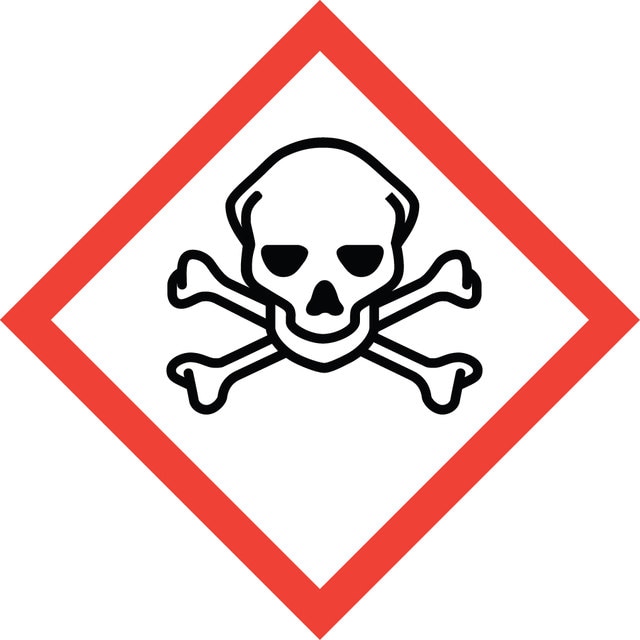
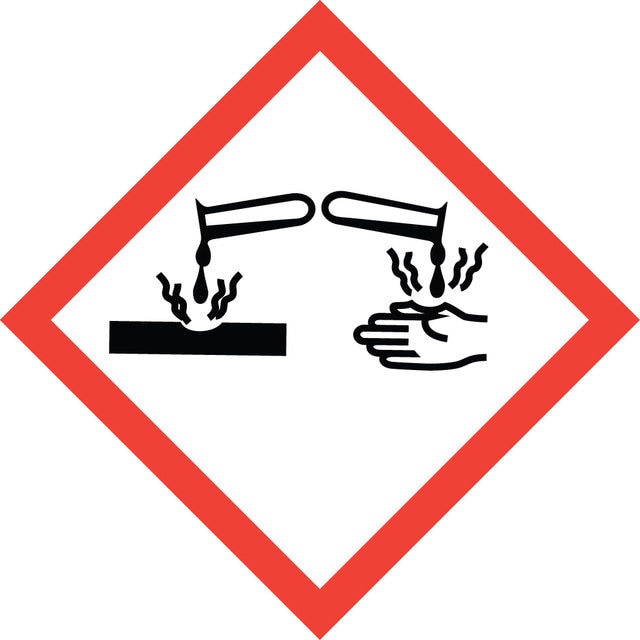
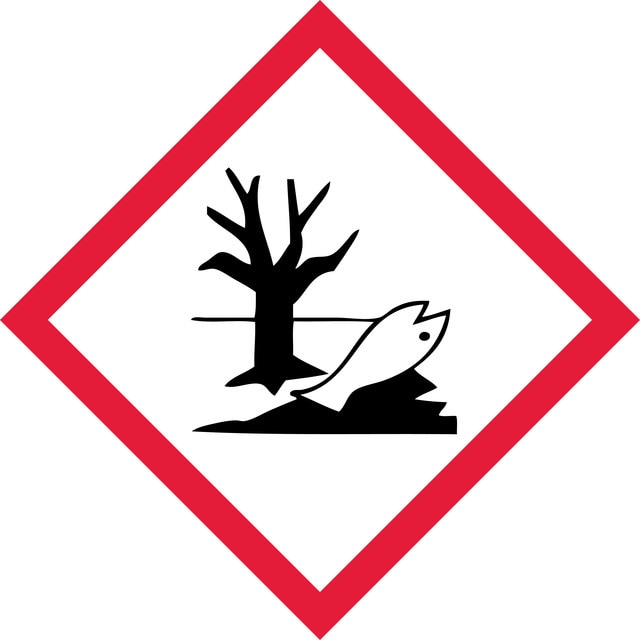
signalword
Danger
Hazard Classifications
Acute Tox. 1 Oral - Acute Tox. 2 Dermal - Acute Tox. 2 Inhalation - Aquatic Chronic 2 - Eye Dam. 1 - Skin Irrit. 2
Storage Class
6.1A - Combustible acute toxic Cat. 1 and 2 / very toxic hazardous materials
wgk
WGK 3
flash_point_f
213.8 °F - closed cup
flash_point_c
101 °C - closed cup
ppe
Eyeshields, Faceshields, Gloves, type ABEK (EN14387) respirator filter
Choose from one of the most recent versions:
Already Own This Product?
Find documentation for the products that you have recently purchased in the Document Library.
Related Content
Our team of scientists has experience in all areas of research including Life Science, Material Science, Chemical Synthesis, Chromatography, Analytical and many others.
Contact Technical Service