
P0515

Phospholipase D from Arachis hypogaea (peanut)
Type II, lyophilized powder, ≥60 units/mg protein
Synonym(s):
Lecithinase D, Phosphatidylcholine phosphatidohydrolase
Sign In to View Organizational & Contract Pricing.
Select a Size
Change View
About This Item
CAS Number:
UNSPSC Code:
12352204
NACRES:
NA.54
EC Number:
232-639-8
MDL number:
Specific activity:
≥60 units/mg protein
Biological source:
Arachis hypogaea
biological source
Arachis hypogaea
Quality Level
type
Type II
form
lyophilized powder
specific activity
≥60 units/mg protein
composition
Protein, ~30%
storage temp.
−20°C
General description
Phospholipase D (PLD) is abundantly found in the eukaryotes and prokaryotes. It is present in all mammalian cells. In mammals, PLD is initiated by various hormones, neurotransmitters, growth factors and cytokines.
Phospholipase D is a phospholipid hydrolyzing enzyme and an important component of receptor-mediated signal transduction responses and regulated secretion.
Application
Phospholipase D from Arachis hypogaea (peanut) has been used in the preparation of lipase enzyme solution. It has also been used to determine its influence on human neutrophil respiratory function.
Research has shown ADP-ribosylation factor regulation of phospholipase D is important in the release of nascent secretory vesicles from the trans-Golgi network. It has also been used in a study to investigate stimulation of Na+-Ca2+ exchange activity in canine cardiac sarcolemmal vesicals.
Biochem/physiol Actions
Phospholipase D (PLD) modulates cell growth, secretion and the actin cytoskeleton.
Hydrolyzes the phosphate bonds of phospholipids and sphingomyelin to give the corresponding phosphatidic acid.
Phospholipase D is involved in conferring drought susceptibility in peanuts, which increases the risk of aflatoxin contamination.
Physical form
Partially purified, lyophilized powder containing buffer salts
Analysis Note
Protein determined using biuret, unless otherwise indicated.
Other Notes
One unit will liberate 1.0 μmol of choline from L-α-phosphatidylcholine (egg yolk) per hr at pH 5.6 at 30 °C.
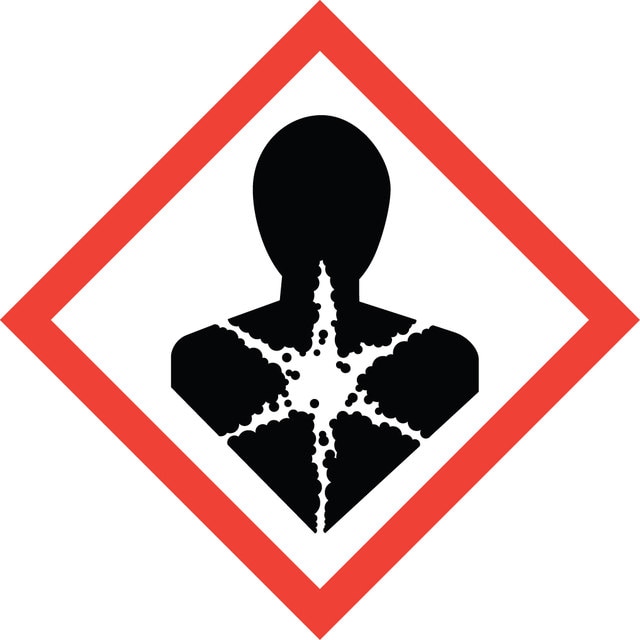
signalword
Danger
hcodes
pcodes
Hazard Classifications
Resp. Sens. 1
Storage Class
11 - Combustible Solids
wgk
WGK 3
ppe
Eyeshields, Gloves, type N95 (US)
Regulatory Listings
Regulatory Listings are mainly provided for chemical products. Only limited information can be provided here for non-chemical products. No entry means none of the components are listed. It is the user’s obligation to ensure the safe and legal use of the product.
P0515-10KU: + P0515-VAR: + P0515-2.5KU-PW: + P0515-2.5KU: + P0515-1KU: + P0515-BULK: + P0515-25KU:
jan
Choose from one of the most recent versions:
Already Own This Product?
Find documentation for the products that you have recently purchased in the Document Library.
Related Content
B Z Guo et al.
Planta, 223(3), 512-520 (2005-10-04)
Preharvest aflatoxin contamination has been identified by the peanut industry as a serious issue in food safety and human health because of the carcinogenic toxicity. Drought stress is the most important environmental factor exacerbating Aspergillus infection and aflatoxin contamination in
K D Philipson et al.
The Journal of biological chemistry, 259(1), 16-19 (1984-01-10)
Treatment of canine cardiac sarcolemmal vesicles with phospholipase D resulted in a large stimulation (up to 400%) of Na+-Ca2+ exchange activity. The phospholipase D treatment decreased the apparent Km (Ca2+) for the initial rate of Nai+-dependent Ca2+ uptake from 18.2
Human neutrophil peptide receptors: mobilization mediated by phospholipase C.
Nelson R D, et al.
The American Journal of Pathology, 107(2), 202-202 (1982)