
Sign In to View Organizational & Contract Pricing.
Select a Size
About This Item
Linear Formula:
2-(CH3CO2)C6H4CO2H
CAS Number:
Molecular Weight:
180.16
UNSPSC Code:
41116107
NACRES:
NA.24
PubChem Substance ID:
MDL number:
Beilstein/REAXYS Number:
779271
Product Name
Aspirin, United States Pharmacopeia (USP) Reference Standard
InChI
1S/C9H8O4/c1-6(10)13-8-5-3-2-4-7(8)9(11)12/h2-5H,1H3,(H,11,12)
SMILES string
CC(=O)Oc1ccccc1C(O)=O
InChI key
BSYNRYMUTXBXSQ-UHFFFAOYSA-N
grade
pharmaceutical primary standard
API family
aspirin
manufacturer/tradename
USP
mp
134-136 °C (lit.)
application(s)
pharmaceutical (small molecule)
format
neat
Gene Information
human ... PTGS1(5742), PTGS2(5743)
Looking for similar products? Visit Product Comparison Guide
Analysis Note
These products are for test and assay use only. They are not meant for administration to humans or animals and cannot be used to diagnose, treat, or cure diseases of any kind.
Application
Aspirin USP reference standard suitable for use in specified USP compendial quality tests and assays.
Also used to prepare standard solution for impurity analysis and performance test according to the given below monographs of United States Pharmacopeia (USP):
Also used to prepare standard solution for impurity analysis and performance test according to the given below monographs of United States Pharmacopeia (USP):
- Carisoprodol and Aspirin Tablets.
- Aspirin Tablets.
- Aspirin Boluses.
- Butalbital, Aspirin, Caffeine, and Codeine Phosphate Capsules.
Biochem/physiol Actions
Blocks the production of prostaglandins by inhibiting cyclooxygenase (prostaglandin H synthase), with greater selectivity toward the COX-1 isoform. The antithrombotic effect is due to the inhibition of COX-1 in platelets that blocks thromboxane production and platelet aggregation. Chemopreventive against colorectal and other solid tumors.
General description
This product is provided as delivered and specified by the issuing Pharmacopoeia. All information provided in support of this product, including SDS and any product information leaflets have been developed and issued under the Authority of the issuing Pharmacopoeia.For further information and support please go to the website of the issuing Pharmacopoeia.
Other Notes
Sales restrictions may apply.
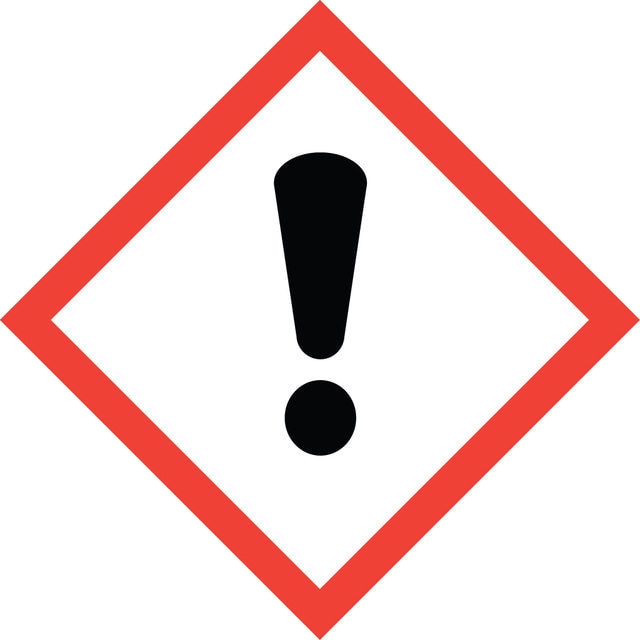
signalword
Warning
hcodes
Hazard Classifications
Acute Tox. 4 Oral
Storage Class
11 - Combustible Solids
wgk
WGK 1
flash_point_f
482.0 °F
flash_point_c
250 °C
Choose from one of the most recent versions:
Already Own This Product?
Find documentation for the products that you have recently purchased in the Document Library.
Yu-Chi Tung et al.
Medical care, 52(6), 519-527 (2014-05-03)
A volume-outcome relationship has been found for acute myocardial infarction (AMI); however, the mechanisms underlying the relationship remain unclear. In particular, it is not known whether processes of care are mediators of the volume-outcome relationship, that is, whether the mechanisms
Gideon Sahar et al.
The Journal of thoracic and cardiovascular surgery, 149(4), 1042-1050 (2015-04-25)
We compared the flow rates, reactivity, and morphology of the distal internal thoracic artery and its branches, the superior epigastric and musculophrenic arteries, to test their applicability as possible conduits in coronary artery bypass grafting surgeries. Skeletonized internal thoracic artery
Gwen M C Masclee et al.
Gastroenterology, 147(4), 784-792 (2014-06-18)
Concomitant use of nonsteroidal anti-inflammatory drugs (NSAIDs) and low-dose aspirin increases the risk of upper gastrointestinal bleeding (UGIB). Guidelines suggest avoiding certain drug combinations, yet little is known about the magnitude of their interactions. We estimated the risk of UGIB
Yasuo Ikeda et al.
JAMA, 312(23), 2510-2520 (2014-11-18)
Prevention of atherosclerotic cardiovascular diseases is an important public health priority in Japan due to an aging population. To determine whether daily, low-dose aspirin reduces the incidence of cardiovascular events in older Japanese patients with multiple atherosclerotic risk factors. The
Sigrun Halvorsen et al.
Journal of the American College of Cardiology, 64(3), 319-327 (2014-07-19)
Although the use of oral anticoagulants (vitamin K antagonists) has been abandoned in primary cardiovascular prevention due to lack of a favorable benefit-to-risk ratio, the indications for aspirin use in this setting continue to be a source of major debate
Our team of scientists has experience in all areas of research including Life Science, Material Science, Chemical Synthesis, Chromatography, Analytical and many others.
Contact Technical Service