
39391

N-(3-ジメチルアミノプロピル)-N′-エチルカルボジイミド
≥97.0% (T), for peptide synthesis
別名:
N-エチル-N′-(3-ジメチルアミノプロピル)カルボジイミド, EDC, WSC
サイズを選択してください
この商品について
製品名
N-(3-ジメチルアミノプロピル)-N′-エチルカルボジイミド, ≥97.0% (T)
Quality Segment
assay
≥97.0% (T)
form
liquid
reaction suitability
reaction type: Coupling Reactions
refractive index
n
density
0.877 g/mL at 20 °C (lit.)
application(s)
peptide synthesis
functional group
amine
storage temp.
−20°C
SMILES string
CCN=C=NCCCN(C)C
InChI
1S/C8H17N3/c1-4-9-8-10-6-5-7-11(2)3/h4-7H2,1-3H3
InChI key
LMDZBCPBFSXMTL-UHFFFAOYSA-N
General description
Application
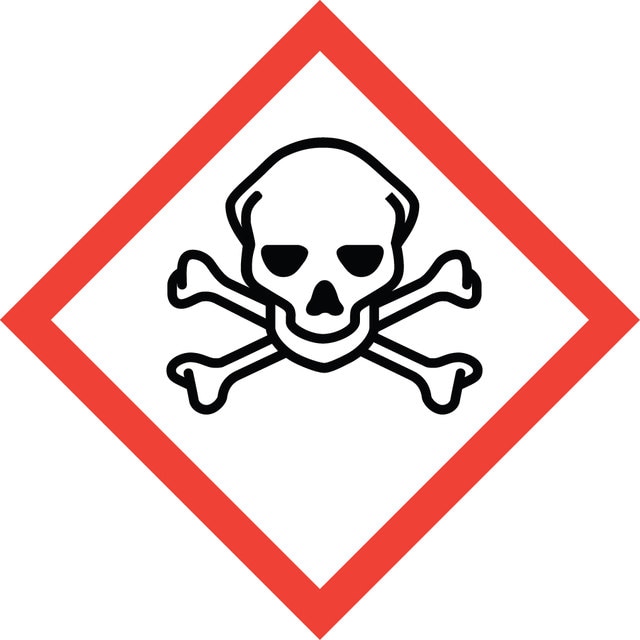
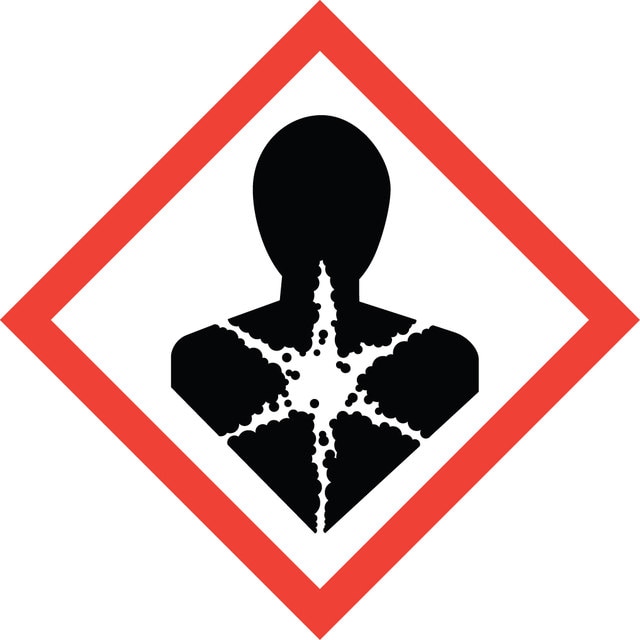
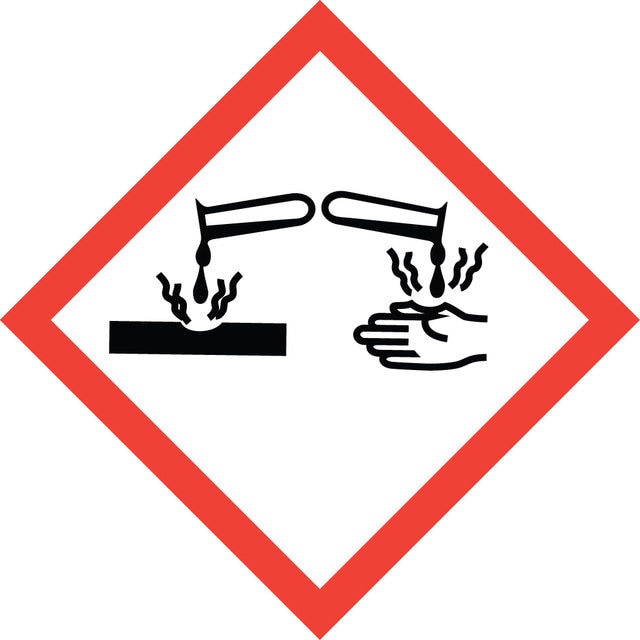
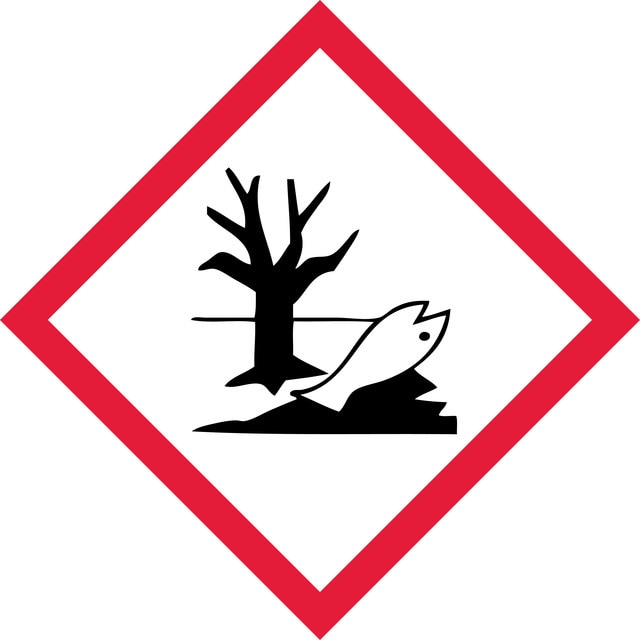
注意喚起語
Danger
Hazard Classifications
Acute Tox. 3 Dermal - Acute Tox. 4 Oral - Aquatic Acute 1 - Aquatic Chronic 1 - Eye Dam. 1 - Skin Corr. 1A - Skin Sens. 1A - STOT RE 2 Oral
標的臓器
Stomach,large intestine,lymph node
保管分類
6.1A - Combustible acute toxic Cat. 1 and 2 / very toxic hazardous materials
一体何が起きているの?
WGK 3
引火点 (F)
Not applicable
引火点(°C)
Not applicable
PPE(個人用保護具)
Faceshields, Gloves, Goggles, type ABEK (EN14387) respirator filter
適用法令
試験研究用途を考慮した関連法令を主に挙げております。化学物質以外については、一部の情報のみ提供しています。 製品を安全かつ合法的に使用することは、使用者の義務です。最新情報により修正される場合があります。WEBの反映には時間を要することがあるため、適宜SDSをご参照ください。
39391-10ML: + 39391-BULK: + 39391-50ML: + 39391-VAR:
jan