
741442

(3-アミノプロピル)トリエトキシシラン
≥98.0%

より環境に優しい選択肢
別名:
APTS, 3-トリエトキシシリルプロピルアミン, APTES
サイズを選択してください
この商品について
Quality Segment
assay
≥98.0%
form
liquid
greener alternative product characteristics
Design for Energy Efficiency
Design for Energy Efficiency
Learn more about the Principles of Green Chemistry.
sustainability
Greener Alternative Product, Greener Alternative Product
color
APHA: ≤25
refractive index
n
bp
217 °C/760 mmHg (lit.)
density
0.929 g/mL at 25 °C, 0.946 g/mL at 25 °C (lit.)
functional group
silyl
SMILES string
CCO[Si](CCCN)(OCC)OCC
InChI
1S/C9H23NO3Si/c1-4-11-14(12-5-2,13-6-3)9-7-8-10/h4-10H2,1-3H3
InChI key
WYTZZXDRDKSJID-UHFFFAOYSA-N
General description
Application
- For the surface functionalization of silica nanoparticles to enhance their colloidal stability.
- As a self-assembled monolayer (SAM) in the fabrication of amorphous silicon thin-film solar cells, to enhance their performance and stability.
- To modify zinc oxide quantum dots for enhancing the performance of fluorescent orthodontic adhesives.
- Synthesis of Fe3O4@SiO2/APTS/Ru magnetic nanocomposite catalyst for hydrogenation reactions
Features and Benefits
- (≥98.0%) ensures effective bonding and modification without the interference of impurities, leading to improved adhesion and durability of coatings.
- The absence of contaminants allows for consistent performance in enhancing the compatibility between organic and inorganic materials, resulting in stronger and more reliable composites.
- It ensures that the functional groups are readily available for reactions, leading to efficient immobilization and improved sensitivity of biosensors.
Still not finding the right product?
Explore all of our products under (3-アミノプロピル)トリエトキシシラン
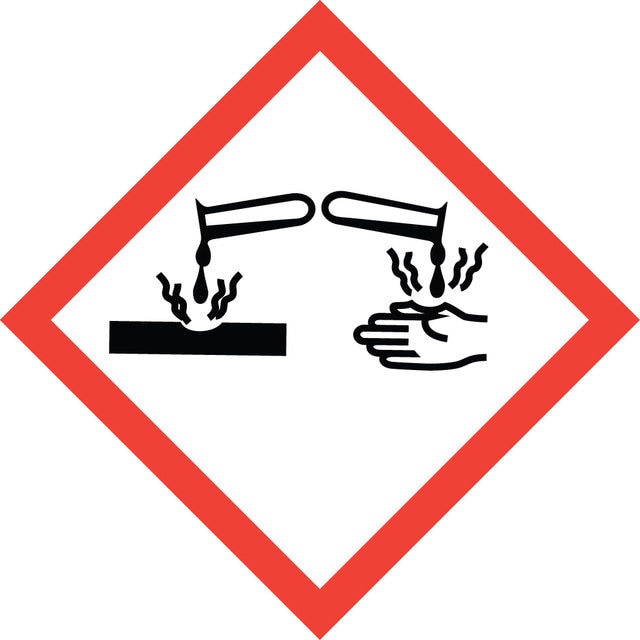
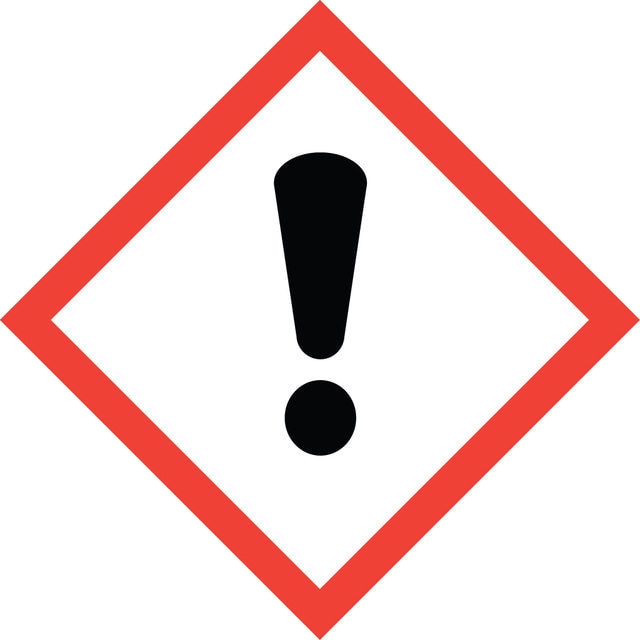
注意喚起語
Danger
ハザードコード
Hazard Classifications
Acute Tox. 4 Oral - Eye Dam. 1 - Skin Corr. 1B - Skin Sens. 1
保管分類
8A - Combustible corrosive hazardous materials
一体何が起きているの?
WGK 1
引火点 (F)
195.1 °F - closed cup
引火点(°C)
90.6 °C - closed cup
適用法令
試験研究用途を考慮した関連法令を主に挙げております。化学物質以外については、一部の情報のみ提供しています。 製品を安全かつ合法的に使用することは、使用者の義務です。最新情報により修正される場合があります。WEBの反映には時間を要することがあるため、適宜SDSをご参照ください。
第4類:引火性液体 + 第三石油類 + 危険等級III + 水溶性液体
fsl
名称等を表示すべき危険物及び有害物
ishl_indicated
名称等を通知すべき危険物及び有害物
ishl_notified
741442-BULK: + 741442-5X500ML: + 741442-500ML:4548173398105 + 741442-VAR: + 741442-100ML:4548173391502
jan