
901971

SunTronic® silver nanoparticle ink for inkjet printing
sintering temperature: 150-250 °C
別名:
Ag ink, Conductive ink, Silver ink, SunTronic®EMD5730
で組織・契約価格をご覧ください。
サイズを選択してください
表示を変更する
この商品について
実験式(ヒル表記法):
Ag
分子量:
107.87
NACRES:
NA.23
UNSPSC Code:
12352103
description
Electrodes, Sintering temperature: 150-250 °C for 10 – 60 min, Solid content: 40%, Volume Resistivity: 5 – 30 uΩ.cm
form
liquid
surface tension
28-31 dyn/cm
viscosity
11-13 cP (Brookfield)
storage temp.
2-8°C
General description
SunTronic EMD5730 is formulated for inkjet printing of conductive traces onto a variety of substrates. EMD5730 is a solvent-based silver nanoparticle ink which demonstrates superior conductivity, stable jetting performance and adhesion to ITO coated glass.
EMD5730 can be used in the manufacture of touch panel displays, printed RFID antennae, smart cards, sensors, security labels, touch switches and other printed electronics applications.
EMD5730 can be used in the manufacture of touch panel displays, printed RFID antennae, smart cards, sensors, security labels, touch switches and other printed electronics applications.
Application
SunTronic® silver nanoparticle ink for inkjet printing (SunTronic® EMD5730) is a 3D additive printing technology that is used in a variety of applications such as flexible microsystems, and electronics. It is printed on a liquid crystal polymeric substrate for the formation of a low cost, adaptable tooling for effective deposition of a wide range of materials.
Legal Information
SunTronic is a registered trademark of Sun Chemical, Inc.
Disclaimer
Printing
EMD5730 is supplied as ready-to-use solvent based inks, and can be printed on various deposition printers and jetted on through various piezo DOD inkjet printheads suitable for solvent based inks, although full printhead compatibility will need to be verified in each case.
EMD5730 is supplied as ready-to-use solvent based inks, and can be printed on various deposition printers and jetted on through various piezo DOD inkjet printheads suitable for solvent based inks, although full printhead compatibility will need to be verified in each case.
Sintering:
Sintering conditions may change for different ink film thicknesses. Typical sintering temperature may range from 150-250°C depending on temperature tolerance of the substrate. Sintering time may range from 10-30 minutes. Electrical Resistance may be reduced with higher sintering temperature and/or longer sintering times.
Sintering conditions may change for different ink film thicknesses. Typical sintering temperature may range from 150-250°C depending on temperature tolerance of the substrate. Sintering time may range from 10-30 minutes. Electrical Resistance may be reduced with higher sintering temperature and/or longer sintering times.
Storage at a cool room temperature 10-15°C is recommended. Refrigeration can be used but agitated to assure proper dispersion is recommended.
Still not finding the right product?
Explore all of our products under SunTronic® silver nanoparticle ink for inkjet printing
flash_point_c
22 °C
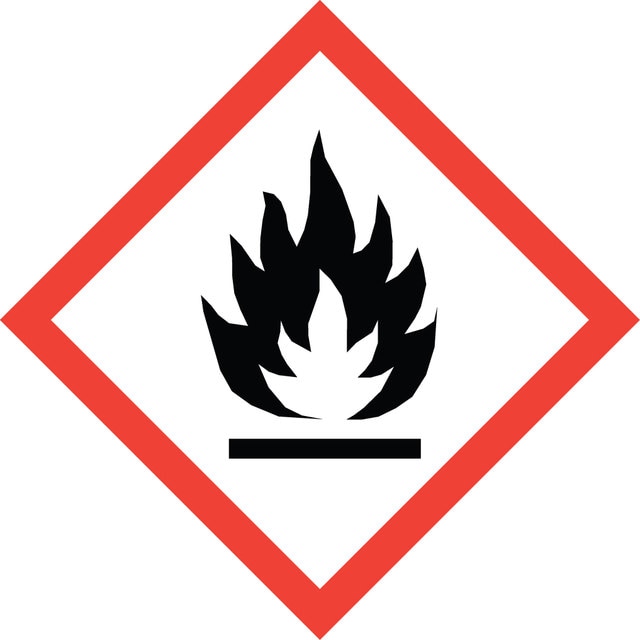


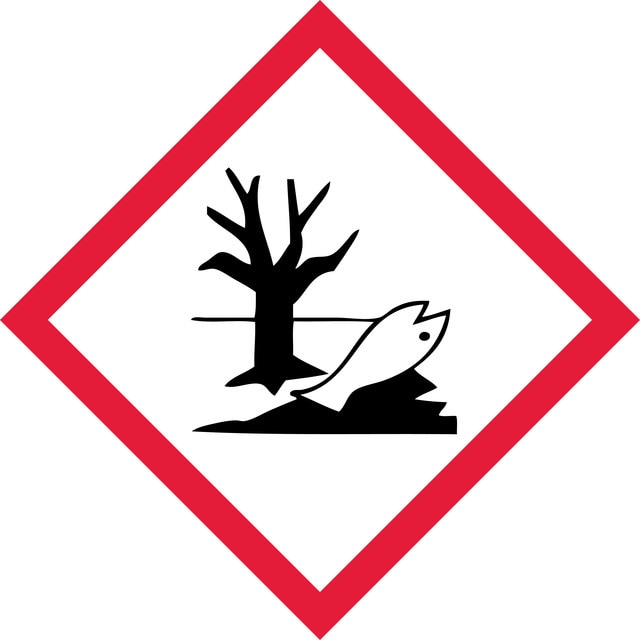
signalword
Danger
保管分類
3 - Flammable liquids
flash_point_f
71.6 °F
Hazard Classifications
Acute Tox. 4 Oral - Aquatic Acute 1 - Aquatic Chronic 1 - Eye Irrit. 2 - Flam. Liq. 2 - Repr. 2 - STOT RE 2 - STOT RE 2 Oral
target_organs
Kidney, Nervous system
適用法令
試験研究用途を考慮した関連法令を主に挙げております。化学物質以外については、一部の情報のみ提供しています。 製品を安全かつ合法的に使用することは、使用者の義務です。最新情報により修正される場合があります。WEBの反映には時間を要することがあるため、適宜SDSをご参照ください。
Class I Designated Chemical Substances
prtr
Group 4: Flammable liquids + Type 2 petroleums + Hazardous rank III + Water insoluble liquid
fsl
Substances Subject to be Indicated Names
ishl_indicated
Substances Subject to be Notified Names
ishl_notified
901971-2ML:4.548173354484E12 + 901971-10ML:4.548173354477E12
jan