
2504

ReBlot Plus強抗体剥離液(10倍濃縮)
別名:
Western blot stripping solution, blot stripping solution
サイズを選択してください
この商品について
form
liquid
packaging
pkg of 50 mL
manufacturer/tradename
Chemicon®, Re-Blot™
technique(s)
western blot: suitable
detection method
chemiluminescent
shipped in
wet ice
General description
ウェスタンブロットの剥離および再検出にはいくつかの利点があります:
1)高価なサンプルや限られた量しか入手できないサンプルの保存、
2)いくつかの異なる抗体(例:サブタイプまたはアイソフォーム特異的抗体)を用いた特定のブロットの解析、
3)異常な結果の再解析および同一または異なる抗体での確認、
4)誤った抗体とのインキュベーションにおけるエラーの修正、
5)同じブロットを再利用することによる試薬と時間のコスト削減。
抗原および抗体ベースの免疫アフィニティーマトリックス(Sepharose™複合体など)は、抗原-抗体反応性を損なうことなく何度も再利用されていますが、これには極端なpHやカオトロピック剤が必要なため、これらの方法をウェスタンブロッティングに適用することはできませんでした。
MILLIPORE Re-Blot Plus Western Blot強抗体剥離液には、固相化タンパク質に大きな影響を及ぼすことなく、迅速かつ効果的にウェスタンブロットから抗体を除去する特別処方の溶液が含まれます。
Re-Blot Plus Western Blot強抗体剥離液の利点は以下のとおりです:
· 本品には刺激臭のあるb-メルカプトエタノールは含まれていません。
· 抗体剥離は室温で実施します。ブロットを加熱する必要はありません。
· 抗体は室温で約15分以内にブロットから除去できます。
· ブロットは25分間で再利用できます。
Application
Re-Blot Plus Western Blot強抗体剥離液は、剥離が特定の抗原に定量的に影響を及ぼさないことがブロット解析比較により確認されるまで、定性的な目的にのみ使用します。
本品は研究目的でのみ使用し、診断およびin vivoでの使用を目的とするものではありません。
Re-Blot Plus Western Blot強抗体剥離液は、剥離が特定の抗原に定量的に影響を及ぼさないことがブロット解析比較により確認されるまで、定性的な目的にのみ使用します。
本品は研究目的でのみ使用し、診断およびin vivoでの使用を目的とするものではありません。
Re-Blot Plus Western Blot強抗体剥離液は、剥離が特定の抗原に定量的に影響を及ぼさないことがブロット解析比較により確認されるまで、定性的な目的にのみ使用します。
本品は研究目的でのみ使用し、診断およびin vivoでの使用を目的とするものではありません。
Preparation Note
注:試薬の劣化を防ぐため、保存時はキャップをしっかりと締めてください。 空気への長時間の曝露は避けてください。
注:試薬の劣化を防ぐため、保存時はキャップをしっかりと締めてください。 空気への長時間の曝露は避けてください。
Other Notes
Legal Information
Disclaimer


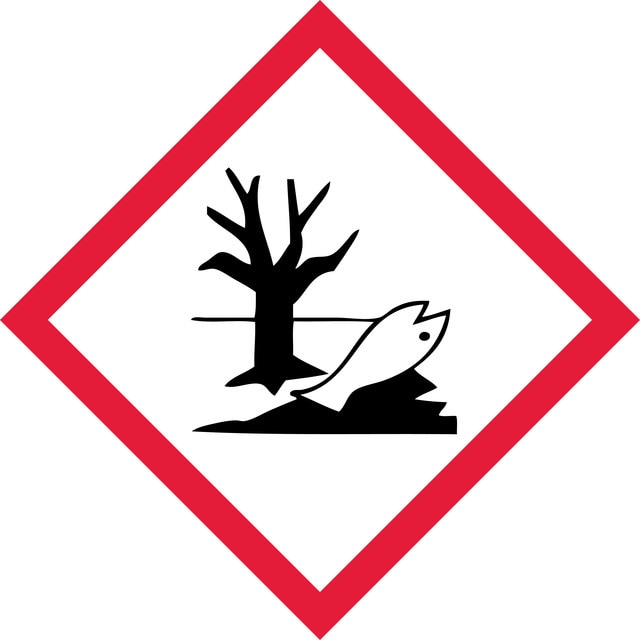
signalword
Danger
Hazard Classifications
Acute Tox. 3 Dermal - Acute Tox. 3 Inhalation - Acute Tox. 4 Oral - Aquatic Chronic 2 - Eye Dam. 1 - Met. Corr. 1 - Skin Corr. 1A
保管分類
6.1B - Non-combustible acute toxic Cat. 1 and 2 / very toxic hazardous materials
wgk
WGK 2
flash_point_f
Not applicable
flash_point_c
Not applicable
適用法令
試験研究用途を考慮した関連法令を主に挙げております。化学物質以外については、一部の情報のみ提供しています。 製品を安全かつ合法的に使用することは、使用者の義務です。最新情報により修正される場合があります。WEBの反映には時間を要することがあるため、適宜SDSをご参照ください。
劇物 + 毒物
pdsc
名称等を表示すべき危険物及び有害物
ishl_indicated
名称等を通知すべき危険物及び有害物
ishl_notified
2504:
jan
試験成績書(COA)
製品のロット番号・バッチ番号を入力して、試験成績書(COA) を検索できます。ロット番号・バッチ番号は、製品ラベルに「Lot」または「Batch」に続いて記載されています。
プロトコル
Protocol for sample preparation for cell lysis and efficient protein extraction from cultured tissues and cells for subsequent Western blotting.
後続のウェスタンブロッティングのためのサンプル調製(培養組織・細胞の効果的な溶解とタンパク質抽出)プロトコル
関連コンテンツ
Antibody reuse for Western blotting is a common practice for many researchers. While many antibodies lose potency with time or degrade even faster due to improper storage conditions, it is important to recognize the potential value of recovering the primary antibody for possible reuse in some experiments. The SNAP i.d.® 2.0 system is not only able to reduce the immunodetection processing time, but its flexibility lets you combine conditions used in the standard immunodetection protocol and also allows the collection of antibody for future reuse. Here, we compare the antibody recovery and reuse in the standard immunodetection protocol with the antibody recovery and reuse in SNAP i.d.® system using the extended protocol and the original SNAP i.d.® protocol.
Western blotting is one of the most commonly used techniques in the lab, yet difficulties persist in obtaining consistent, quality results. We’ve been helping scientists publish their Western blots for decades, with continued innovation and steadfast technical support. Explore our expanded portfolio of products, including optimized reagents for chemiluminescent and Ḁuorescent Westerns, as well as the SNAP i.d.® system, which reduces blocking, washing and antibody incubation time from hours to minutes.
There’s so much room for experimental variability in traditional immunodetection workflows. For your peace of mind – and ours – we designed the SNAP i.d.® 2.0 system to streamline your Western blot and immunohistochemistry experiments. The concept is simple: a vacuum-driven flow of blocking, antibody, and washing solutions reduces slide and membrane handling. That means a lot less shaking, dipping, pouring and waiting. And now you can process multiple blots and slides in parallel, so it’s easy to apply consistent conditions across experiments.
グローバルトレードアイテム番号
| カタログ番号 | GTIN |
|---|---|
| 2504 | 04053252471629 |
ライフサイエンス、有機合成、材料科学、クロマトグラフィー、分析など、あらゆる分野の研究に経験のあるメンバーがおります。.
製品に関するお問い合わせはこちら(テクニカルサービス)