
37-0480

酸化亜鉛
SAJ first grade, ≥99.0%
ログインで組織・契約価格をご覧ください。
サイズを選択してください
この商品について
化学式:
ZnO
CAS番号:
分子量:
81.39
UNSPSC Code:
12352302
PubChem Substance ID:
MDL number:
Assay:
≥99.0%
Grade:
SAJ first grade
Form:
solid
Application
NaZnSiO3OHという、イオン交換、吸着及び触媒反応での応用の可能性がある新規のキラルフレームワーク物質の調製に使用されます。
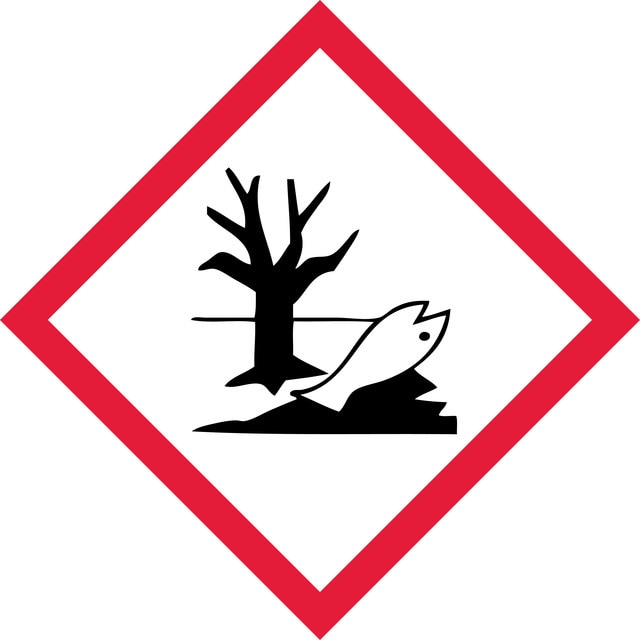
signalword
Warning
hcodes
pcodes
Hazard Classifications
Aquatic Acute 1 - Aquatic Chronic 1
保管分類
13 - Non Combustible Solids
wgk
WGK 2
flash_point_f
Not applicable
flash_point_c
Not applicable
適用法令
試験研究用途を考慮した関連法令を主に挙げております。化学物質以外については、一部の情報のみ提供しています。 製品を安全かつ合法的に使用することは、使用者の義務です。最新情報により修正される場合があります。WEBの反映には時間を要することがあるため、適宜SDSをご参照ください。
名称等を表示すべき危険物及び有害物
ishl_indicated
名称等を通知すべき危険物及び有害物
ishl_notified
37-0480-5-500G-J:
jan
A Ra Kim et al.
Journal of biomedical nanotechnology, 9(5), 926-929 (2013-06-28)
Our innate immunity is composed of several integral leukocytes including neutrophil, NK cell, macrophage or so. They are usually known to produce reactive oxygen species (ROS), in order to induce cell damages by these oxidizing reagents, and finally disrupting mitochondrial
Xiaolong Li et al.
Journal of nanoscience and nanotechnology, 13(8), 5859-5863 (2013-07-26)
In this study, we present the synthesis of ZnO nanowire by hydrothermal process through reutilization of sludge from soy sauce wastewater electrochemical treatment. The influences of floc content and caramel pigment concentration on the morphologies of ZnO were studied. The
Long Giang Bach et al.
Journal of nanoscience and nanotechnology, 13(1), 694-697 (2013-05-08)
ZnO nanoparticles were covalently wrapped by polystyrene (PS) through surface thiol-lactam initiated radical polymerization using the grafting from approach. The surface of ZnO nanoparticles was initially modified by 3-mercapto propyltrimethoxysilane to afford thiol functionalized ZnO nanoparticles (ZnO-SH). The controlled radical
Hyeong Pil Kim et al.
Journal of nanoscience and nanotechnology, 13(7), 5142-5147 (2013-08-02)
Solution processed cathode organic photovoltaic cells (OPVs) utilizing thin layer of ZnO with 27% increase in power conversion efficiency (PCE) to control devices have been demonstrated. Devices without the presence of ZnO layer have much lower PCE than the ones
Dadong Guo et al.
Journal of nanoscience and nanotechnology, 13(6), 3769-3777 (2013-07-19)
Nanomaterials, including zinc oxide (ZnO) nanoparticles, are being developed for a variety of commercial products. Recent reports showed that cells exposed to ZnO nanoparticles produced severe cytotoxicity accompanied by oxidative stress and genotoxicity. To understand the possible mechanism underlying oxidative
ライフサイエンス、有機合成、材料科学、クロマトグラフィー、分析など、あらゆる分野の研究に経験のあるメンバーがおります。.
製品に関するお問い合わせはこちら(テクニカルサービス)