
320390

メタノール
≥99.8%, ACS reagent
別名:
メチルアルコール
サイズを選択してください
この商品について
製品名
メタノール, ACS reagent, ≥99.8%
grade
ACS reagent
Quality Segment
vapor density
1.11 (vs air)
vapor pressure
410 mmHg ( 50 °C), 97.68 mmHg ( 20 °C)
assay
≥99.8%
form
liquid
autoignition temp.
725 °F
expl. lim.
36 %
dilution
(for analytical testing)
impurities
H2SO4, passes test (darkened), MnO4- reducers, passes test, ≤0.0002 meq/g Titr. base, ≤0.0003 meq/g Titr. acid, ≤0.001% acetaldehyde, ≤0.001% acetone, ≤0.001% formaldehyde, ≤0.1% water
evapn. residue
≤0.001%
color
APHA: ≤10, clear
refractive index
n20/D 1.329 (lit.)
bp
64.7 °C (lit.)
mp
−98 °C (lit.)
density
0.791 g/mL at 25 °C (lit.)
format
neat
SMILES string
CO
InChI
1S/CH4O/c1-2/h2H,1H3
InChI key
OKKJLVBELUTLKV-UHFFFAOYSA-N
General description
Premium ACS Solvents: Our solvents meet or exceed the stringent standards set by the American Chemical Society, ensuring high quality and reliability for your laboratory applications.
Replicable and Publishable Results: Designed for consistency, our solvents deliver results that can be reliably reproduced, making them ideal for research that requires publication.
Versatile Applications: Suitable for routine chemical synthesis, drying, purification, and critical labware cleaning, our solvents cater to a wide range of research needs in the laboratory.
Application
- Palladium(II)-exchanged hydroxyapatite-catalyzed Suzuki–Miyaura cross-coupling reactions.
- Reductive amination of ketones with ammonia and dihydrogen to synthesize primary amines.
Still not finding the right product?
Explore all of our products under メタノール
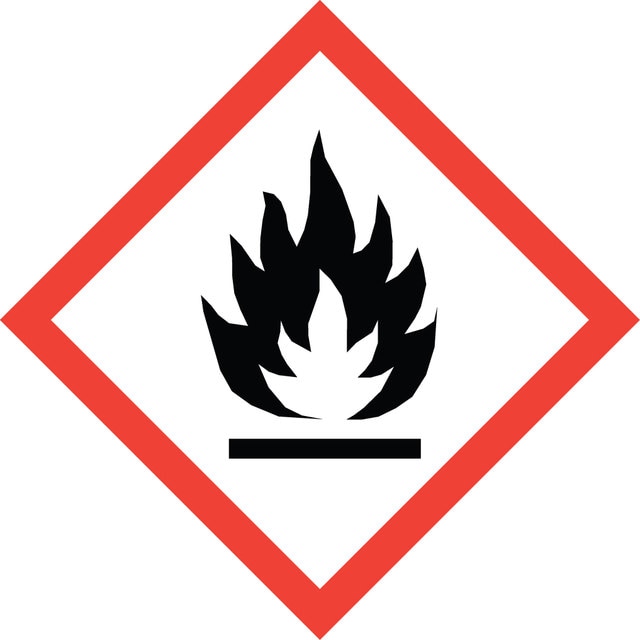
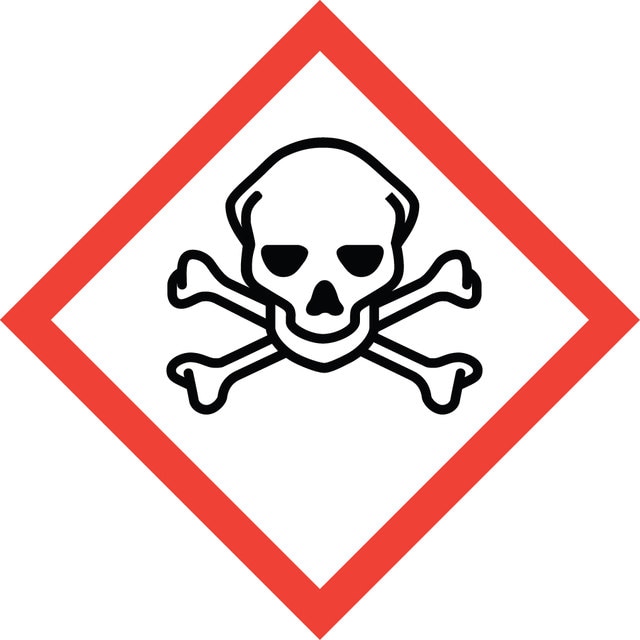
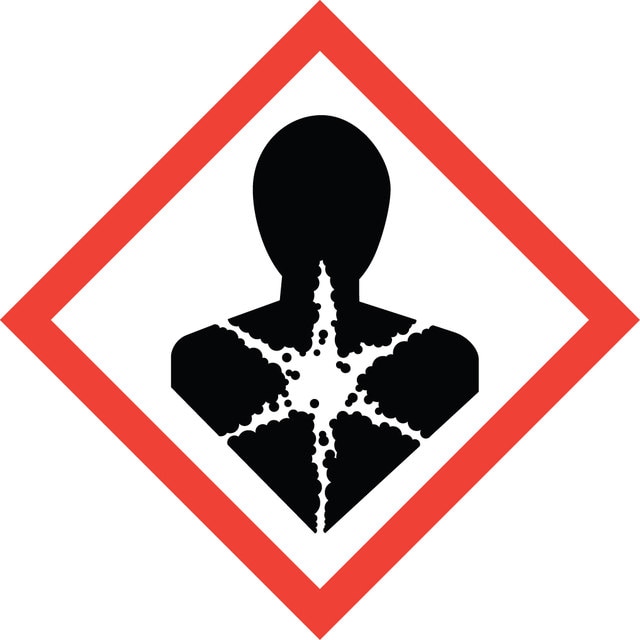
signalword
Danger
Hazard Classifications
Acute Tox. 3 Dermal - Acute Tox. 3 Inhalation - Acute Tox. 3 Oral - Flam. Liq. 2 - STOT SE 1
target_organs
Eyes,Central nervous system
保管分類
3 - Flammable liquids
wgk
WGK 2
flash_point_f
49.5 °F - closed cup
flash_point_c
9.7 °C - closed cup
適用法令
試験研究用途を考慮した関連法令を主に挙げております。化学物質以外については、一部の情報のみ提供しています。 製品を安全かつ合法的に使用することは、使用者の義務です。最新情報により修正される場合があります。WEBの反映には時間を要することがあるため、適宜SDSをご参照ください。
第4類:引火性液体 + アルコール類 + 危険等級II
fsl
名称等を表示すべき危険物及び有害物
ishl_indicated
名称等を通知すべき危険物及び有害物
ishl_notified
320390-4L:4.548173134819E12 + 320390-1L:4.548173134802E12 + 320390-18L:4.548173134796E12
jan