
MAK052

ALT Activity Assay
sufficient for 100 colorimetric or fluorometric tests
別名:
Alanine Aminotransferase Activity Assay Kit, SGPT Activity Assay Kit, Serum Glutamic-Pyruvic Transaminase Activity Assay Kit
ログインで組織・契約価格をご覧ください。
サイズを選択してください
表示を変更する
この商品について
NACRES:
NA.84
UNSPSC Code:
12161503
usage
sufficient for 100 colorimetric or fluorometric tests
detection method
colorimetric, fluorometric
relevant disease(s)
gastrointestinal diseases
shipped in
wet ice
storage temp.
−20°C
Gene Information
human ... GPT(2875)
mouse ... GPT(76282)
rat ... GPT(81670)
General description
Alanine Aminotransferase (ALT), also known as serum glutamic-pyruvic transaminase (SGPT), is a pyridoxal-phosphate-dependent enzyme that catalyzes the reversible transfer of an amino group from alanine to α-ketoglutarate, generating pyruvate and glutamate. ALT is found primarily in liver and serum, but occurs in other tissues as well. Hepatocellular injury often results in an increase of serum ALT levels and serum ALT levels can be used as a marker for liver injury.
Application
Suitable for the measurement of alanine aminotransferase (ALT) activity in biological samples including tissue, cells and serum.
ALT Activity Assay kit has been used to determine the activity of alanine aminotransferase (ALT) in serum samples.
Biochem/physiol Actions
The ALT Activity Assay Kit provides a simple and direct procedure for measuring ALT activity in a variety of biological samples.
ALT activity is determined by a coupled enzyme assay, which results in a colorimetric (570 nm)/ fluorometric (λex = 535/λem = 587 nm) product, proportional to the pyruvate generated. One unit of ALT is defined as the amount of enzyme that generates 1.0 μmole of pyruvate per minute at 37 °C.
ALT activity is determined by a coupled enzyme assay, which results in a colorimetric (570 nm)/ fluorometric (λex = 535/λem = 587 nm) product, proportional to the pyruvate generated. One unit of ALT is defined as the amount of enzyme that generates 1.0 μmole of pyruvate per minute at 37 °C.
Features and Benefits
Compatible with high-throughput handling systems.
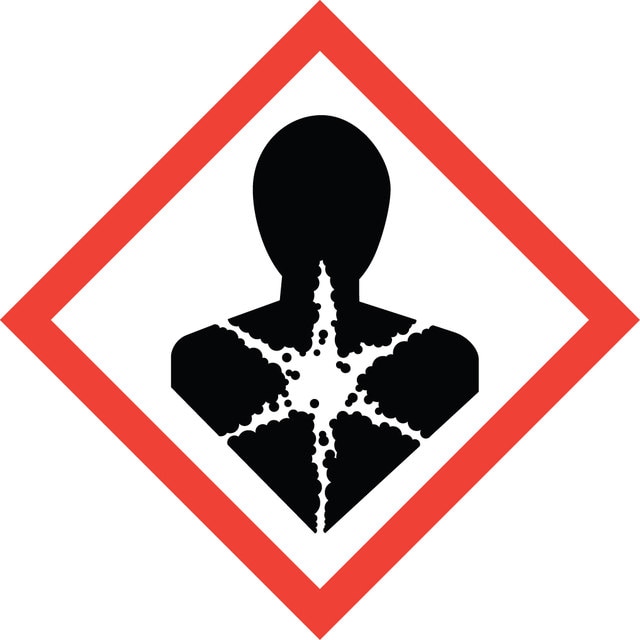
注意喚起語
Danger
ハザードコード
Hazard Classifications
Aquatic Chronic 3 - Resp. Sens. 1 - Skin Sens. 1
保管分類
10 - Combustible liquids
一体何が起きているの?
WGK 3
適用法令
試験研究用途を考慮した関連法令を主に挙げております。化学物質以外については、一部の情報のみ提供しています。 製品を安全かつ合法的に使用することは、使用者の義務です。最新情報により修正される場合があります。WEBの反映には時間を要することがあるため、適宜SDSをご参照ください。
Please refer to KIT Component information
pdsc
Please refer to KIT Component information
prtr
Please refer to KIT Component information
fsl
Please refer to KIT Component information
ishl_indicated
Please refer to KIT Component information
ishl_notified
Please refer to KIT Component information
cart
キットコンポーネントの情報を参照してください
jan