
NA2100

GenElute™バクテリア用ゲノムDNA精製キット
sufficient for 10 purifications
別名:
GenElute™ バクテリア用ゲノムDNA抽出キット, バクテリア用ゲノムDNA, Gen Elute
General description
GenEluteバクテリア用ゲノムDNA精製キットにより、グラム陰性菌からゲノムDNAを簡便な方法で単離することができます。 大半のグラム陽性菌については、本キットの使用に際し厚いペプチドグリカン細胞壁を効率的に溶解するリゾチーム(L4919)をオプションで併用する必要があります。グラム陽性菌溶解液は、リゾチームストック溶液調製のための希釈液の形で提供されます。
本キットはシリカ系の利点とマイクロスピンフォーマットを兼ね備えており、高価な樹脂、アルコール沈殿、フェノール及びクロロホルムなど有害な有機化合物を要しません。
本キットはシリカ系の利点とマイクロスピンフォーマットを兼ね備えており、高価な樹脂、アルコール沈殿、フェノール及びクロロホルムなど有害な有機化合物を要しません。
Application
精製したバクテリア用ゲノムDNAは下流用途に使用することができます:
- 制限酵素消化
- PCR
- サザンブロット
- クローニングなど
Biochem/physiol Actions
バクテリアはカオトロピック塩溶液中で溶解し、巨大分子は完全に変性します。 エタノール添加により、ライセートがシリカ膜を通過してマイクロ遠心チューブに出てきた際にDNAを結合させます。混入物除去のため洗浄した後、DNAをTris-EDTA液200 μLに溶出します。
期待されるゲノムDNA収量はバクテリア培養液の細胞密度並びに使用した細菌種及び菌株によって変動します。 GenEluteキットを用いて精製したDNAのA260/A280比は1.6~1.9であり、最長50 kbとなる可能性があります。
期待されるゲノムDNA収量はバクテリア培養液の細胞密度並びに使用した細菌種及び菌株によって変動します。 GenEluteキットを用いて精製したDNAのA260/A280比は1.6~1.9であり、最長50 kbとなる可能性があります。
Features and Benefits
- 一般的なDNA収量は15~20 μgです。
- グラム陽性菌及びグラム陰性菌用のプロトコルが添付されます。
- 高品質のゲノムDNAを2時間以内で精製します。
- 精製DNAのA260/A280比は1.6~1.9です。
- 出発物質:培養液1.5 mLまで
- 期待される収量:20 μgまで
- 溶出液量:400 μL
- 所要時間:70~120分
- A260/A280 比:1.6~1.9
- フェノール、クロロホルム、エタノール沈殿不要
Other Notes
詳細はwww.sigma-aldrich.com/genomicdnaをご覧ください。
Legal Information
GenElute is a trademark of Sigma-Aldrich Co. LLC
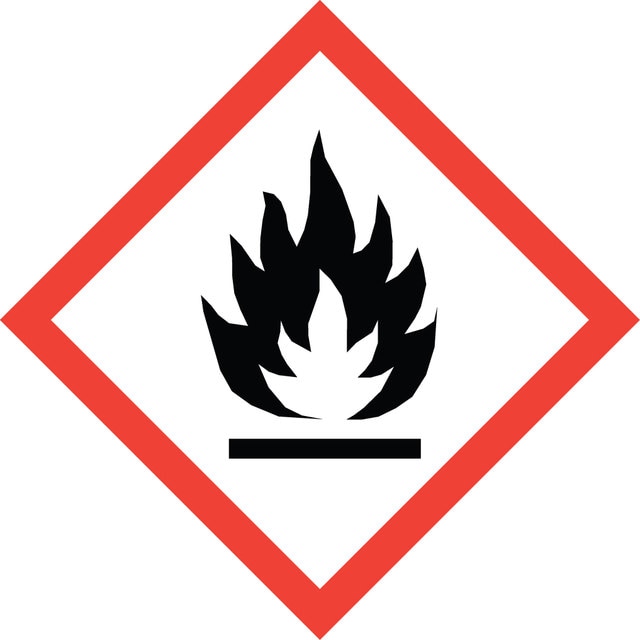

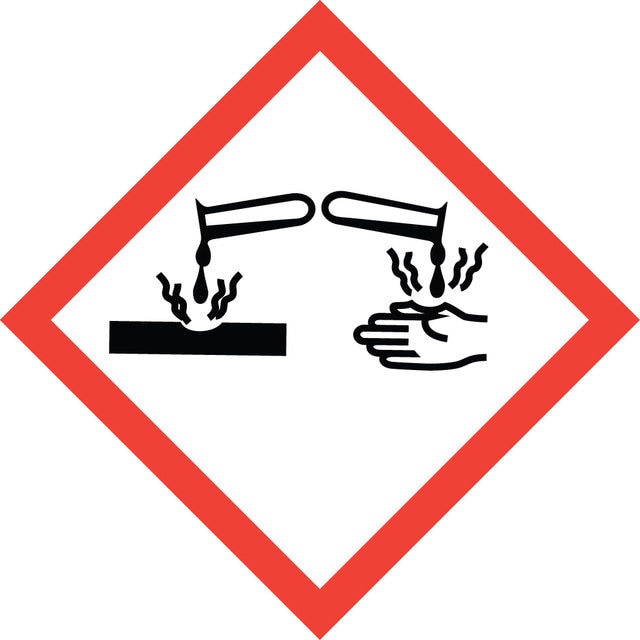

signalword
Danger
Hazard Classifications
Acute Tox. 4 Oral - Eye Irrit. 2 - Flam. Liq. 3 - Met. Corr. 1 - Resp. Sens. 1 - Skin Irrit. 2 - STOT SE 3
target_organs
Central nervous system, Respiratory system
保管分類
3 - Flammable liquids
wgk
WGK 3
適用法令
試験研究用途を考慮した関連法令を主に挙げております。化学物質以外については、一部の情報のみ提供しています。 製品を安全かつ合法的に使用することは、使用者の義務です。最新情報により修正される場合があります。WEBの反映には時間を要することがあるため、適宜SDSをご参照ください。
キットコンポーネントの情報を参照してください
pdsc
キットコンポーネントの情報を参照してください
prtr
キットコンポーネントの情報を参照してください
fsl
キットコンポーネントの情報を参照してください
ishl_indicated
キットコンポーネントの情報を参照してください
ishl_notified
キットコンポーネントの情報を参照してください
cart
キットコンポーネントの情報を参照してください
jan
Susana Delgado et al.
Microbial ecology, 65(3), 763-772 (2013-02-12)
Stomach mucosa biopsies and gastric juices samples of 12 healthy persons were analysed by culturing in selective- and non-selective-rich media. Microbial DNA from four mucosal samples was also amplified by nested PCR using universal bacterial primers, and the 16S rDNA
Christopher S Barker et al.
American journal of orthodontics and dentofacial orthopedics : official publication of the American Association of Orthodontists, its constituent societies, and the American Board of Orthodontics, 143(3), 317-323 (2013-03-05)
Our objective was to determine whether components of fixed orthodontic appliances as received from the manufacturers and after exposure to the clinical environment are free from microbial contamination before clinical use. A pilot molecular microbiologic laboratory study was undertaken at
James A Parejko et al.
Applied and environmental microbiology, 79(12), 3887-3891 (2013-04-16)
We investigated the taxonomic placement of phenazine-producing fluorescent Pseudomonas spp. in the Inland Pacific Northwest region of the United States. Five distinct species were identified, two of which were provisionally considered to be new. Agroclimatic zone and soil silt content
Jeung Hee Lee et al.
Applied microbiology and biotechnology, 96(4), 993-1005 (2012-05-31)
Lipase (lip) and lipase-specific foldase (lif) genes of a biodegradable polyhydroxyalkanoate (PHA)-synthesizing Pseudomonas resinovorans NRRL B-2649 were cloned using primers based on consensus sequences, followed by polymerase chain reaction-based genome walking. Sequence analyses showed a putative Lip gene product (314
Diana Gutiérrez et al.
Applied and environmental microbiology, 78(24), 8547-8554 (2012-10-02)
Biofilms are a common cause of food contamination with undesirable bacteria, such as pathogenic bacteria. Staphylococcus aureus is one of the major bacteria causing food-borne diseases in humans. A study designed to determine the presence of S. aureus on food
プロトコル
GenElute™ Bacterial Genomic DNA Kit protocol describes a simple and convenient way for the isolation of pure genomic DNA from bacteria.
ライフサイエンス、有機合成、材料科学、クロマトグラフィー、分析など、あらゆる分野の研究に経験のあるメンバーがおります。.
製品に関するお問い合わせはこちら(テクニカルサービス)