コンテンツへスキップ
Merck

CRM48620

トルエン 溶液

certified reference material, TraceCERT®, 200 μg/mL in methanol, ampule of 1 mL

別名:

Toluene solution

ログインで組織・契約価格をご覧ください。

サイズを選択してください


この商品について

CAS番号:
MDL number:
UNSPSC Code:
77101502
EC Number:
200-659-6
NACRES:
NA.24
テクニカルサービス
お困りのことがあれば、経験豊富なテクニカルサービスチームがお客様をサポートします。
お手伝いします
テクニカルサービス
お困りのことがあれば、経験豊富なテクニカルサービスチームがお客様をサポートします。
お手伝いします

SMILES string

Cc1ccccc1

InChI key

YXFVVABEGXRONW-UHFFFAOYSA-N

InChI

1S/C7H8/c1-7-5-3-2-4-6-7/h2-6H,1H3

grade

certified reference material, TraceCERT®

product line

TraceCERT®

CofA

current certificate can be downloaded

packaging

ampule of 1 mL

concentration

200 μg/mL in methanol

technique(s)

HPLC: suitable, gas chromatography (GC): suitable

application(s)

environmental

format

single component solution

storage temp.

2-30°C

Quality Level

類似した製品をお探しですか? 訪問 製品比較ガイド

Application

Refer to the product′s Certificate of Analysis for more information on a suitable instrument technique. Contact Technical Service for further support.

Other Notes

This Certified Reference Material (CRM) is produced and certified in accordance with ISO 17034 and ISO/IEC 17025. All information regarding the use of this CRM can be found on the certificate of analysis.

Legal Information

TraceCERT is a registered trademark of Merck KGaA, Darmstadt, Germany

signalword

Danger

Hazard Classifications

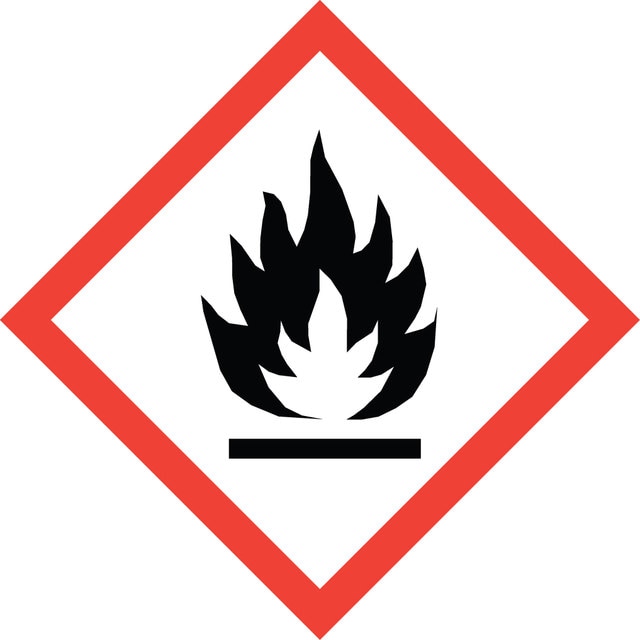
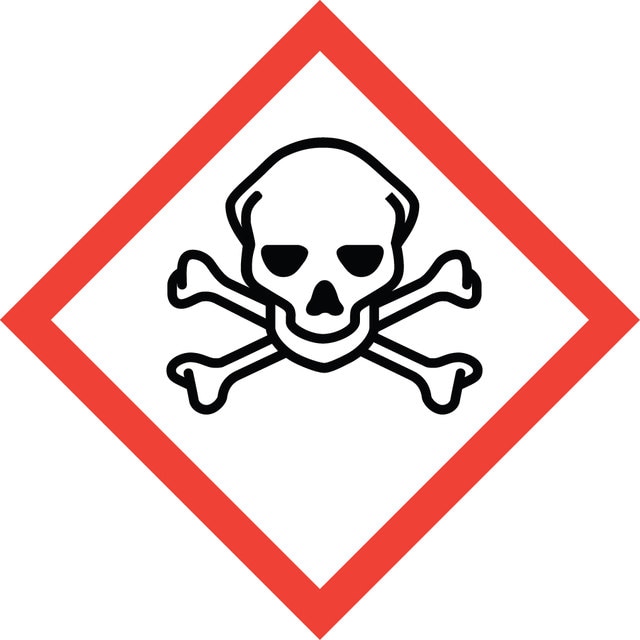
Acute Tox. 3 Dermal - Acute Tox. 3 Inhalation - Acute Tox. 3 Oral - Flam. Liq. 2 - STOT SE 1

target_organs

Eyes

保管分類

3 - Flammable liquids

wgk

WGK 2

flash_point_f

51.8 °F

flash_point_c

11 °C


適用法令

試験研究用途を考慮した関連法令を主に挙げております。化学物質以外については、一部の情報のみ提供しています。 製品を安全かつ合法的に使用することは、使用者の義務です。最新情報により修正される場合があります。WEBの反映には時間を要することがあるため、適宜SDSをご参照ください。

第4類:引火性液体 + アルコール類 + 危険等級II

fsl

名称等を表示すべき危険物及び有害物

ishl_indicated

名称等を通知すべき危険物及び有害物

ishl_notified

CRM48620:4548173338033

jan


試験成績書(COA)

製品のロット番号・バッチ番号を入力して、試験成績書(COA) を検索できます。ロット番号・バッチ番号は、製品ラベルに「Lot」または「Batch」に続いて記載されています。

以前この製品を購入いただいたことがある場合

文書ライブラリで、最近購入した製品の文書を検索できます。

文書ライブラリにアクセスする

[Advance on biological monitoring of occupational exposure to toluene].
Hong-xia Chen et al.
Zhonghua lao dong wei sheng zhi ye bing za zhi = Zhonghua laodong weisheng zhiyebing zazhi = Chinese journal of industrial hygiene and occupational diseases, 28(8), 613-615 (2010-12-04)
Luis Cuauhtémoc Haro-García et al.
Revista medica del Instituto Mexicano del Seguro Social, 46(6), 643-650 (2009-03-07)
Despite, the idea promoted to study occupational exposure to benzene and its mixture with toluene and xylene (BTX) because it appears to determine its toxicity and probably the production of additive effects, it persists interest to recognizing its hematological and
John H Hannigan et al.
Systems biology in reproductive medicine, 56(2), 184-200 (2010-04-10)
Toluene is an organic solvent that is widely used by industry and is ubiquitous in our environment. As a result, exposure to solvents like toluene in work-related settings (i.e., relatively constant, low-level exposures) or through inhalant abuse (i.e., relatively intermittent
Tin-Tin Win-Shwe et al.
Toxicology letters, 198(2), 93-99 (2010-07-06)
Chemical susceptibility is triggered by a large range of chemicals present both indoors and outdoors including pesticides, cleaning products, perfumes, scented products and cigarette smoke. Health risk after chemical exposure depends on age, sex, genetic factors, socioeconomic status, nutritional status
Andreas Seidler et al.
Occupational and environmental medicine, 71(4), 259-265 (2014-02-04)
To evaluate the association between dinitrotoluene (DNT) exposure and renal cancer in a case-cohort study. This case-cohort study was conducted among men born between 1920 and 1974 (n=16 441) who were gainfully employed between 1953 and 1990 in one of

ライフサイエンス、有機合成、材料科学、クロマトグラフィー、分析など、あらゆる分野の研究に経験のあるメンバーがおります。.

製品に関するお問い合わせはこちら(テクニカルサービス)