
267074

Nickel
rod, diam. 6.35 mm, ≥99.99% trace metals basis
Sign In to View Organizational & Contract Pricing.
Select a Size
Change View
About This Item
Linear Formula:
Ni
CAS Number:
Molecular Weight:
58.69
NACRES:
NA.23
PubChem Substance ID:
UNSPSC Code:
12141729
EC Number:
231-111-4
MDL number:
eCl@ss:
38190701
Quality Segment
assay
≥99.99% trace metals basis
form
rod
reaction suitability
core: nickel
resistivity
6.97 μΩ-cm, 20°C
diam.
6.35 mm
bp
2732 °C (lit.)
mp
1453 °C (lit.)
density
8.9 g/mL at 25 °C (lit.)
SMILES string
[Ni]
InChI
1S/Ni
InChI key
PXHVJJICTQNCMI-UHFFFAOYSA-N
Preparation Note
14 g = 5 cm; 42 g = 15 cm
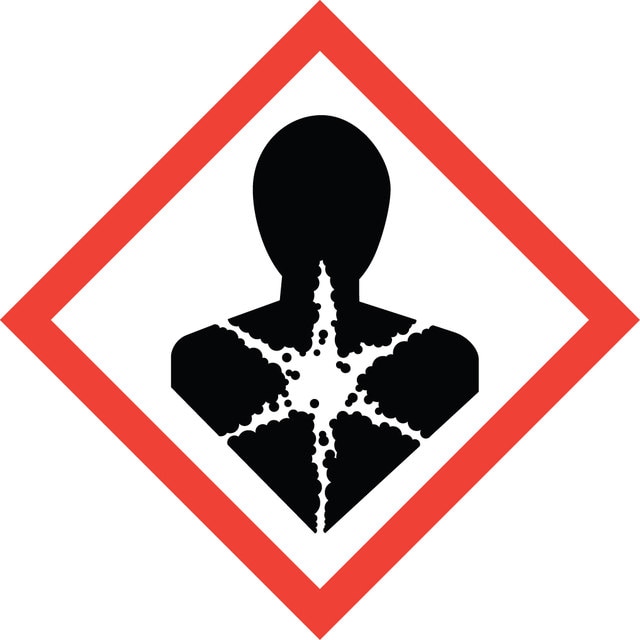

signalword
Danger
hcodes
Hazard Classifications
Carc. 2 - Skin Sens. 1 - STOT RE 1
Storage Class
6.1D - Non-combustible acute toxic Cat.3 / toxic hazardous materials or hazardous materials causing chronic effects
wgk
WGK 2
flash_point_f
Not applicable
flash_point_c
Not applicable
ppe
Eyeshields, Faceshields, Gloves, type P3 (EN 143) respirator cartridges
Choose from one of the most recent versions:
Already Own This Product?
Find documentation for the products that you have recently purchased in the Document Library.