
C7631

Copper(II) sulfate pentahydrate
ReagentPlus®, ≥98.0%
동의어(들):
Cupric sulfate pentahydrate, Sulfuric acid, copper(II) salt (1:1) pentahydrate
조직 및 계약 가격을 보려면 를 클릭합니다.
크기 선택
보기 변경
제품정보 (DICE 배송 시 비용 별도)
Linear Formula:
CuSO4 · 5H2O
CAS 번호:
Molecular Weight:
249.69
NACRES:
NA.21
PubChem Substance ID:
UNSPSC Code:
12352302
EC Number:
231-847-6
MDL number:
Assay:
≥98.0%
Form:
powder or crystals
vapor pressure
7.3 mmHg ( 25 °C)
Quality Segment
product line
ReagentPlus®
assay
≥98.0%
form
powder or crystals
pH
3.7-4.5 (25 °C, 50 g/L)
mp
110 °C (dec.) (lit.)
cation traces
Fe: ≤0.01%
SMILES string
O.O.O.O.O.[Cu++].[O-]S([O-])(=O)=O
InChI
1S/Cu.H2O4S.5H2O/c;1-5(2,3)4;;;;;/h;(H2,1,2,3,4);5*1H2/q+2;;;;;;/p-2
InChI key
JZCCFEFSEZPSOG-UHFFFAOYSA-L
General description
Copper(II) sulfate is an inorganic Lewis acid commonly used to promote acid?catalyzed organic reactions. It is used as a reagent for the synthesis of copper carbenoids. It can also act as an effective redox catalyst in combination with other mixed oxidizing systems.
Application
- Determination of main fruits in adulterated nectars by ATR-FTIR spectroscopy combined with multivariate calibration and variable selection methods.: This study highlights the application of ATR-FTIR spectroscopy, a technique involving Copper(II) sulfate pentahydrate, in identifying fruit content in adulterated nectars, illustrating its relevance in food chemistry and quality control (de Souza SVC et al., 2018).
- Measurement of electron paramagnetic resonance using terahertz time-domain spectroscopy.: This research demonstrates the use of terahertz time-domain spectroscopy, involving Copper(II) sulfate pentahydrate, to measure electron paramagnetic resonance, contributing to advancements in spectroscopic methodologies (Hangyo M et al., 2011).
- Effects of Curcuma xanthorrhiza Extracts and Their Constituents on Phase II Drug-metabolizing Enzymes Activity.: Though indirectly related, this article explores the role of natural extracts on enzyme activity, providing a context where Copper(II) sulfate pentahydrate could be used as a comparative standard in bioanalytical settings (Ab Halim MR et al., 2016).
Legal Information
ReagentPlus is a registered trademark of Merck KGaA, Darmstadt, Germany
Still not finding the right product?
Explore all of our products under Copper(II) sulfate pentahydrate
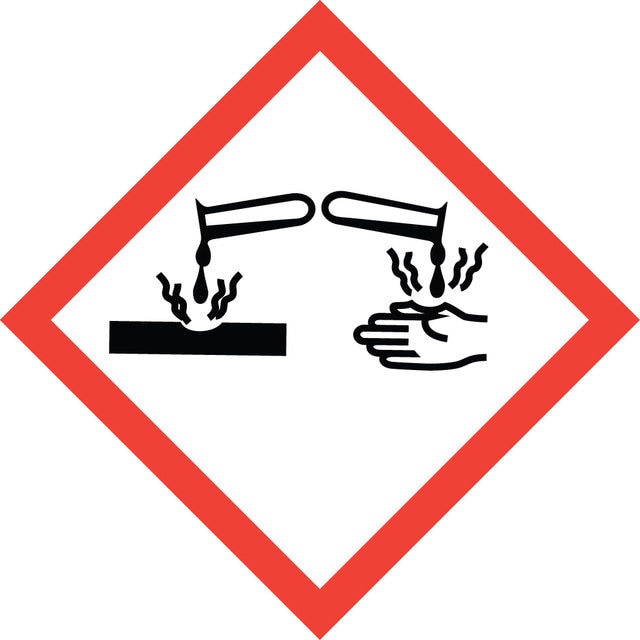

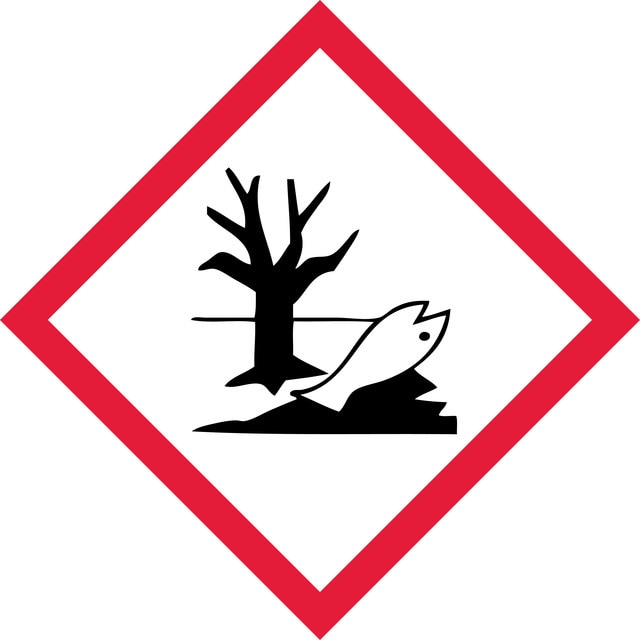
signalword
Danger
hcodes
Hazard Classifications
Acute Tox. 4 Oral - Aquatic Acute 1 - Aquatic Chronic 1 - Eye Dam. 1
저장 등급
13 - Non Combustible Solids
wgk
WGK 3
flash_point_f
Not applicable
flash_point_c
Not applicable