
조직 및 계약 가격을 보려면 를 클릭합니다.
크기 선택
보기 변경
제품정보 (DICE 배송 시 비용 별도)
실험식(Hill 표기법):
C13H12F2N6O
CAS 번호:
Molecular Weight:
306.27
NACRES:
NA.24
PubChem Substance ID:
UNSPSC Code:
41116107
MDL number:
grade
pharmaceutical primary standard
agency
USP
API family
fluconazole
manufacturer/tradename
USP
application(s)
pharmaceutical (small molecule)
format
neat
SMILES string
FC1=CC(F)=C(C(CN2N=CN=C2)(O)CN3N=CN=C3)C=C1
InChI
1S/C13H12F2N6O/c14-10-1-2-11(12(15)3-10)13(22,4-20-8-16-6-18-20)5-21-9-17-7-19-21/h1-3,6-9,22H,4-5H2
InChI key
RFHAOTPXVQNOHP-UHFFFAOYSA-N
General description
Find answers to frequently asked questions on USP products in USP FAQs.
This product is provided as delivered and specified by the issuing Pharmacopoeia. All information provided in support of this product, including SDS and any product information leaflets have been developed and issued under the Authority of the issuing Pharmacopoeia.For further information and support please go to the website of the issuing Pharmacopoeia.
Biochem/physiol Actions
Fluconazole is an antifungal agent. It is highly selective inhibitor of fungal cytochrome P-450 sterol C-14 α-demethyllation. Fluconazole is a potent inhibitor of CYP2C9. Fluconazole interferes with fungal ergosterol synthesis and downregulates the metallothionein gene.
Fluconazole is an antifungal agent; highly selctive inhibitor of fungal cytochrome P-450 sterol C-14 α-demethyllation. Potent inhibitor of CYP2C9. Interferes with fungal ergosterol synthesis; downregulates metallothionein gene.
Analysis Note
These products are for test and assay use only. They are not meant for administration to humans or animals and cannot be used to diagnose, treat, or cure diseases of any kind.
Other Notes
Sales restrictions may apply.
Still not finding the right product?
Explore all of our products under Fluconazole

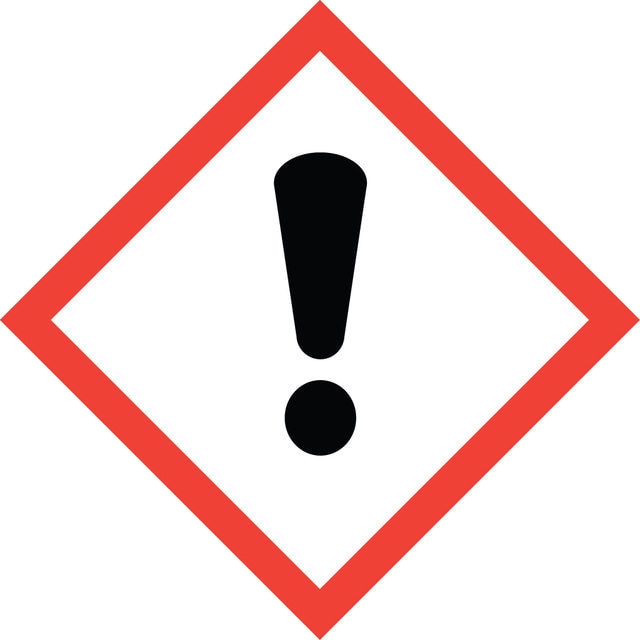
signalword
Danger
hcodes
Hazard Classifications
Acute Tox. 4 Oral - Aquatic Chronic 3 - Lact. - Repr. 1B
저장 등급
6.1C - Combustible acute toxic Cat.3 / toxic compounds or compounds which causing chronic effects
flash_point_f
Not applicable
flash_point_c
Not applicable