
01-4780

Ammonium metavanadate
JIS special grade, ≥99.0%
Synonym(s):
Ammonium vanadate(V)
Sign In to View Organizational & Contract Pricing.
Select a Size
Change View
About This Item
Linear Formula:
NH4VO3
CAS Number:
Molecular Weight:
116.98
UNSPSC Code:
12352302
PubChem Substance ID:
EC Number:
232-261-3
MDL number:
Assay:
≥99.0%
Form:
solid
grade
JIS special grade
assay
≥99.0%
form
solid
reaction suitability
reagent type: catalyst
core: vanadium
availability
available only in Japan
density
2.32 g/cm3 at 25 °C (lit.)
SMILES string
N.O[V](=O)=O
InChI
1S/H3N.H2O.2O.V/h1H3;1H2;;;/q;;;;+1/p-1
InChI key
YBVKNHXQSRDWAA-UHFFFAOYSA-M
Still not finding the right product?
Explore all of our products under Ammonium metavanadate
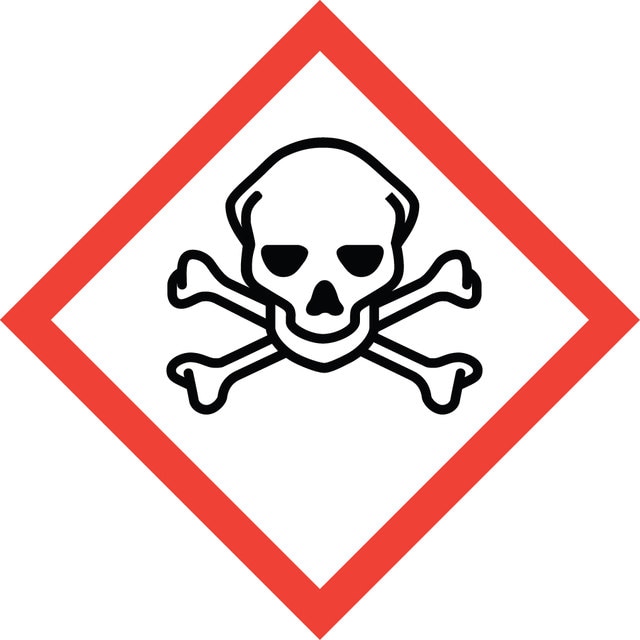
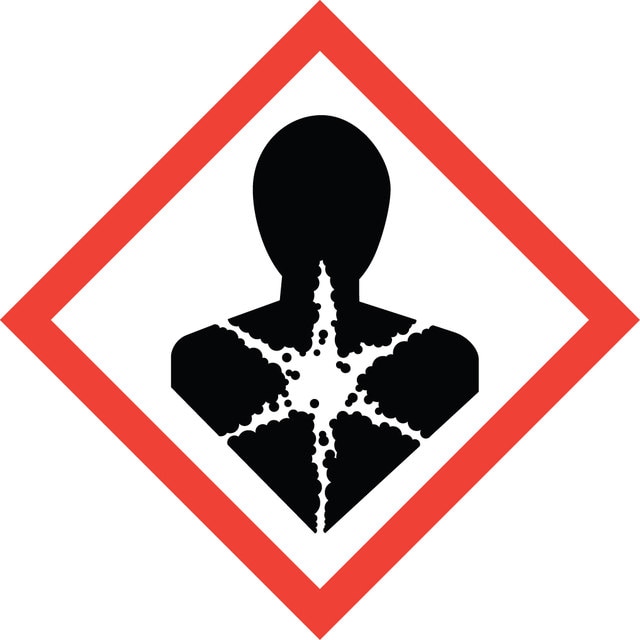
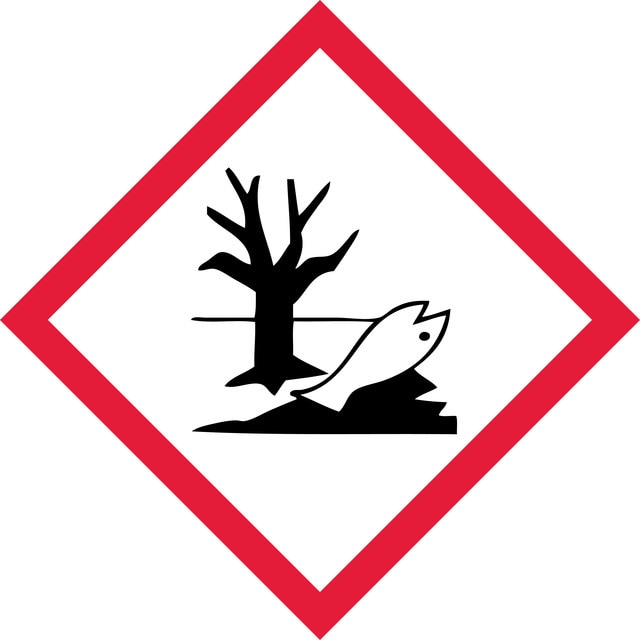
signalword
Danger
Hazard Classifications
Acute Tox. 3 Oral - Acute Tox. 4 Inhalation - Aquatic Chronic 2 - Eye Irrit. 2 - Repr. 2 - STOT RE 1 Inhalation
target_organs
Respiratory Tract
Storage Class
6.1A - Combustible acute toxic Cat. 1 and 2 / very toxic hazardous materials
flash_point_f
Not applicable
flash_point_c
Not applicable
ppe
Eyeshields, Faceshields, Gloves, type P3 (EN 143) respirator cartridges
Choose from one of the most recent versions:
Already Own This Product?
Find documentation for the products that you have recently purchased in the Document Library.