
Sign In to View Organizational & Contract Pricing.
Select a Size
Change View
About This Item
Empirical Formula (Hill Notation):
C16H10
CAS Number:
Molecular Weight:
202.25
UNSPSC Code:
41116107
NACRES:
NA.24
PubChem Substance ID:
EC Number:
204-927-3
Beilstein/REAXYS Number:
1307225
MDL number:
grade
certified reference material
agency
BCR®
manufacturer/tradename
JRC
technique(s)
HPLC: suitable, gas chromatography (GC): suitable
mp
145-148 °C (lit.)
format
neat
storage temp.
2-8°C
SMILES string
c1cc2ccc3cccc4ccc(c1)c2c34
InChI
1S/C16H10/c1-3-11-7-9-13-5-2-6-14-10-8-12(4-1)15(11)16(13)14/h1-10H
InChI key
BBEAQIROQSPTKN-UHFFFAOYSA-N
General description
Pyrene belongs to polycyclic aromatic hydrocarbon group. These are organic compounds which have two or more fused benzene rings in linear, angular and cluster arrangements. Pyrene is a four ring PAH.
This compound is listed in the SVHC (Substances of very high concern) candidate list of ECHA (European Chemicals Agency)
Legal Information
BCR is a registered trademark of European Commission
Still not finding the right product?
Explore all of our products under Pyrene
Storage Class
11 - Combustible Solids
wgk
WGK 2
flash_point_f
435.2 °F
flash_point_c
224 °C
ppe
Eyeshields, Gloves
signalword
Danger
hcodes
Hazard Classifications
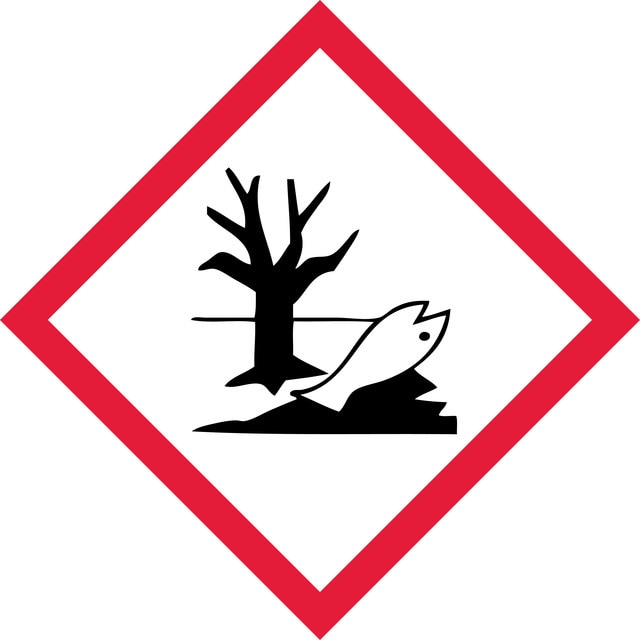
Aquatic Acute 1 - Aquatic Chronic 1 - PBT - vPvB
Choose from one of the most recent versions:
Already Own This Product?
Find documentation for the products that you have recently purchased in the Document Library.