
141437

4,7-Dichloroquinoline
≥99%
Select a Size
Change View
About This Item
Empirical Formula (Hill Notation):
C9H5Cl2N
CAS Number:
Molecular Weight:
198.05
UNSPSC Code:
12352100
NACRES:
NA.22
PubChem Substance ID:
EC Number:
201-714-7
Beilstein/REAXYS Number:
125359
MDL number:
Assay:
≥99%
Form:
solid
Quality Segment
assay
≥99%
form
solid
mp
81-83 °C (lit.)
solubility
chloroform: soluble 50 mg/mL, clear, colorless to greenish-yellow
functional group
chloro
SMILES string
Clc1ccc2c(Cl)ccnc2c1
InChI
1S/C9H5Cl2N/c10-6-1-2-7-8(11)3-4-12-9(7)5-6/h1-5H
InChI key
HXEWMTXDBOQQKO-UHFFFAOYSA-N
Application
4,7-Dichloroquinoline was used in the synthesis of piperaquine. It was used as starting reagent in the synthesis of {3-amino-5-[(7-chloro-4-quinolyl)amino]phenyl}methanol.
Still not finding the right product?
Explore all of our products under 4,7-Dichloroquinoline
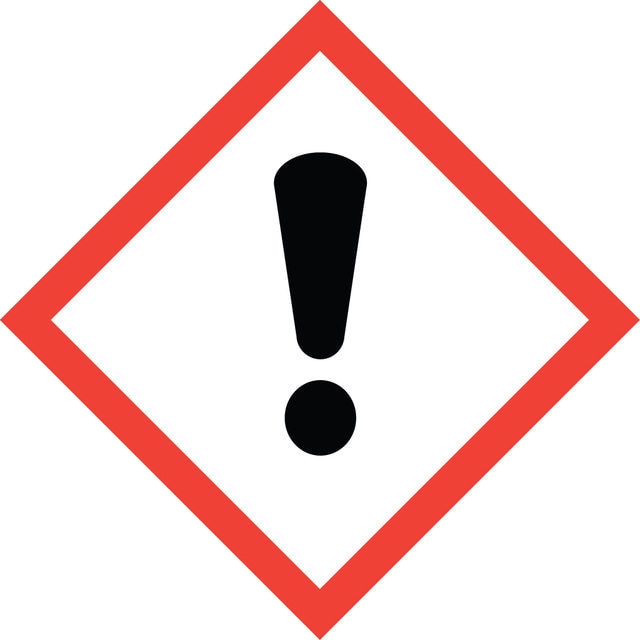
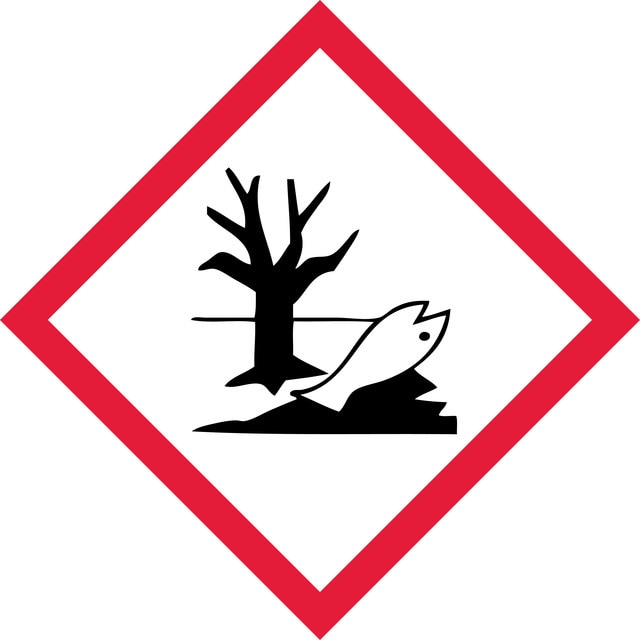
signalword
Warning
hcodes
Hazard Classifications
Aquatic Chronic 2 - Eye Irrit. 2 - Skin Irrit. 2 - Skin Sens. 1
Storage Class
13 - Non Combustible Solids
wgk
WGK 3
flash_point_f
Not applicable
flash_point_c
Not applicable
ppe
dust mask type N95 (US), Eyeshields, Gloves
Choose from one of the most recent versions:
Already Own This Product?
Find documentation for the products that you have recently purchased in the Document Library.