
326453

Copper
powder (spheroidal), 10-25 μm, 98%
Select a Size
Change View
About This Item
Linear Formula:
Cu
CAS Number:
Molecular Weight:
63.55
NACRES:
NA.23
PubChem Substance ID:
UNSPSC Code:
11101604
EC Number:
231-159-6
MDL number:
Quality Segment
assay
98%
form
powder (spheroidal)
reaction suitability
core: copper
resistivity
1.673 μΩ-cm, 20°C
particle size
10-25 μm
bp
2567 °C (lit.)
mp
1083.4 °C (lit.)
density
8.94 g/mL at 25 °C (lit.)
SMILES string
[Cu]
InChI
1S/Cu
InChI key
RYGMFSIKBFXOCR-UHFFFAOYSA-N
General description
Copper powder is a metal based powder that can be produced by electrolytic and non-electrolytic techniques. These processes include spray pyrolysis, chemical reduction in the presence of reducing agents, solvothermal and hydrometallurgical methods, and atomization.
Application
Copper (Cu) based powder can be used for a wide range of industrial applications. Its electrical properties and thermal characteristics make it useful in the development of electronic and electrical devices. It can also be used for self-lubricated bearings, brazing, mechanical plating, and cold soldering.
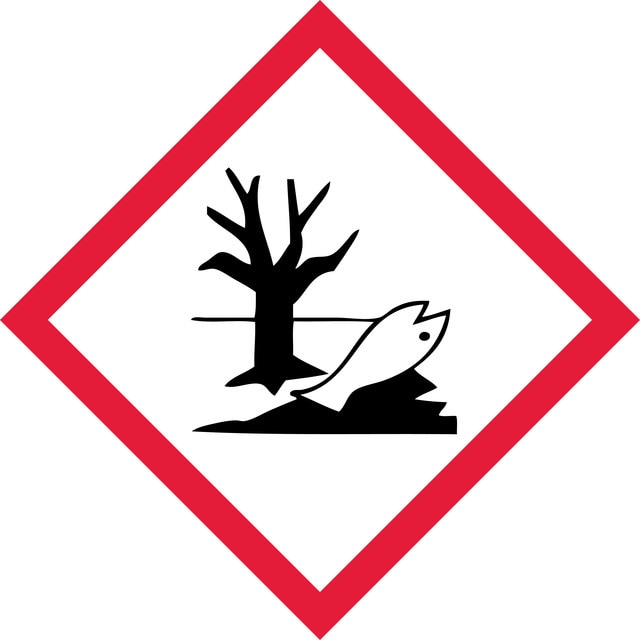
signalword
Warning
hcodes
flash_point_f
Not applicable
flash_point_c
Not applicable
ppe
Eyeshields, Gloves, type P3 (EN 143) respirator cartridges
pcodes
Hazard Classifications
Aquatic Acute 1 - Aquatic Chronic 1
Storage Class
11 - Combustible Solids
Choose from one of the most recent versions:
Already Own This Product?
Find documentation for the products that you have recently purchased in the Document Library.