
W250708

Geraniol
≥97%, FCC, FG
Synonym(s):
trans-3,7-Dimethyl-2,6-octadien-1-ol
Select a Size
About This Item
InChI key
GLZPCOQZEFWAFX-JXMROGBWSA-N
InChI
1S/C10H18O/c1-9(2)5-4-6-10(3)7-8-11/h5,7,11H,4,6,8H2,1-3H3/b10-7+
SMILES string
C\C(C)=C\CC\C(C)=C\CO
biological source
synthetic
grade
FG, Fragrance grade, Halal, Kosher
agency
follows IFRA guidelines
reg. compliance
EU Regulation 1223/2009, EU Regulation 1334/2008 & 178/2002, FCC, FDA 21 CFR 117
vapor density
5.31 (vs air)
vapor pressure
~0.2 mmHg ( 20 °C)
assay
≥97%
composition
Contains IFRA and EU 1223/2009 restricted Citral (Neral + Geranial) and Geraniol and EU1223/2009 restricted Linalool and Limonene (sum of D, L, and DL)
refractive index
n20/D 1.474 (lit.)
bp
229-230 °C (lit.)
density
0.879 g/mL at 20 °C (lit.)
application(s)
flavors and fragrances
documentation
see Safety & Documentation for available documents
food allergen
no known allergens
fragrance allergen
linalool, citral (neral+geranial), nerol, geraniol, limonene (sum of D, L and DL)
organoleptic
fruity; citrus; floral; rose; sweet
Looking for similar products? Visit Product Comparison Guide
Related Categories
Application
- Alcohol exacerbates psychosocial stress-induced neuropsychiatric symptoms: Attenuation by geraniol.: Investigates the protective effects of geraniol against alcohol-enhanced psychosocial stress, highlighting its potential therapeutic benefits for neuropsychiatric conditions (Ben-Azu et al., 2024).
- Chemical and Electrophysiological Characterisation of Headspace Volatiles from Yeasts Attractive to Drosophila suzukii.: Studies the attraction of the fruit fly Drosophila suzukii to volatile compounds produced by yeasts, including geraniol, providing insights into pest control strategies (Castellan et al., 2024).
General description
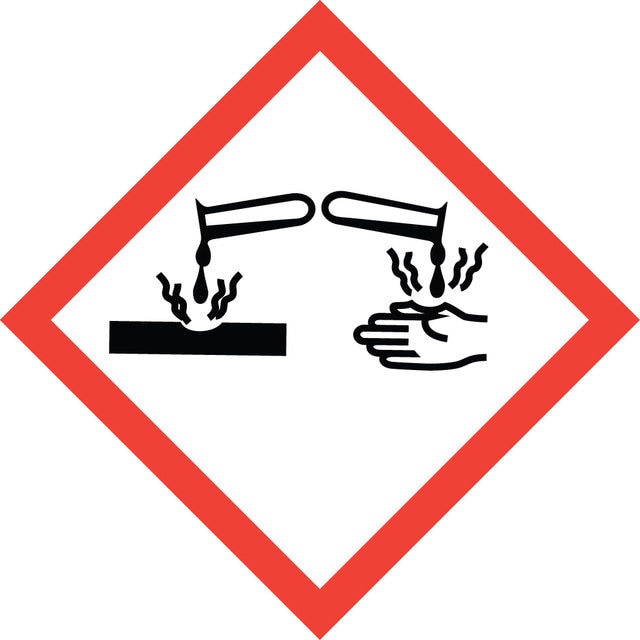
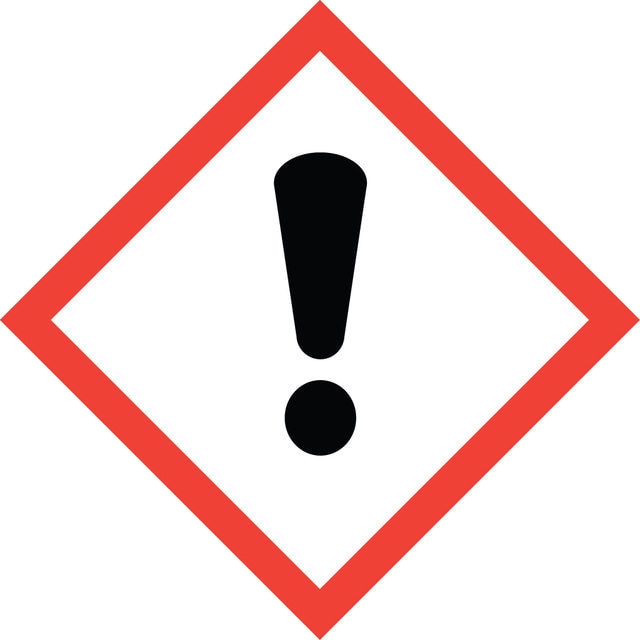
signalword
Danger
hcodes
Hazard Classifications
Eye Dam. 1 - Skin Irrit. 2 - Skin Sens. 1
Storage Class
10 - Combustible liquids
wgk
WGK 1
flash_point_f
226.4 °F - closed cup
flash_point_c
108 °C - closed cup
ppe
Faceshields, Gloves, Goggles, type ABEK (EN14387) respirator filter
Choose from one of the most recent versions:
Already Own This Product?
Find documentation for the products that you have recently purchased in the Document Library.
Related Content
Our team of scientists has experience in all areas of research including Life Science, Material Science, Chemical Synthesis, Chromatography, Analytical and many others.
Contact Technical Service