
T63002

2,2,2-Trifluoroethanol
ReagentPlus®, ≥99%
Synonym(s):
Trifluoroethyl alcohol
Select a Size
Change View
About This Item
Linear Formula:
CF3CH2OH
CAS Number:
Molecular Weight:
100.04
UNSPSC Code:
12191601
NACRES:
NA.21
PubChem Substance ID:
EC Number:
200-913-6
Beilstein/REAXYS Number:
1733203
MDL number:
Assay:
≥99%
Bp:
77-80 °C (lit.)
Vapor pressure:
70 mmHg ( 25 °C)
vapor density
3.5 (vs air)
Quality Segment
vapor pressure
70 mmHg ( 25 °C)
product line
ReagentPlus®
assay
≥99%
form
liquid
autoignition temp.
~896 °F
expl. lim.
42 %
dilution
(for general lab use)
refractive index
n20/D 1.3 (lit.)
pH
7
bp
77-80 °C (lit.)
mp
−44 °C (lit.)
density
1.373 g/mL at 25 °C (lit.)
SMILES string
OCC(F)(F)F
InChI
1S/C2H3F3O/c3-2(4,5)1-6/h6H,1H2
InChI key
RHQDFWAXVIIEBN-UHFFFAOYSA-N
General description
2,2,2-Trifluoroethanol (TFE) is an organic compound with the chemical formula CF3CH2OH. TFE is a commonly used solvent in organic synthesis. It can also be used as a cosolvent in the experimental study of proteins and peptides.
Application
2,2,2-Trifluoroethanol can be used as a solvent:
- In the synthesis of 2-amino-3-cyano-4H-chromene and tetrahydrobenzo[b]pyran derivatives by catalyst free one-pot condensation of aldehydes, malononitrile and resorcinol or dimedone.
- In the N-formylation of amines with formic acid in the presence of heterogeneous ZIF-8 (zeolitic imidazolate framework) catalyst.
- In the preparation of 2-substituted-2,3-dihydro-4(1H)-quinazolinone derivatives by condensation of anthranilamide with alkyl, aryl, or heteroaryl ketones or aldehydes.
- In the mild and selective oxidation of sulfur compounds using H2O2(hydrogen peroxide).
Features and Benefits
2,2,2-Trifluoroethanol is more acidic than ethanol due to the presence of electronegative trifluoromethyl group.
Legal Information
ReagentPlus is a registered trademark of Merck KGaA, Darmstadt, Germany
Still not finding the right product?
Explore all of our products under 2,2,2-Trifluoroethanol
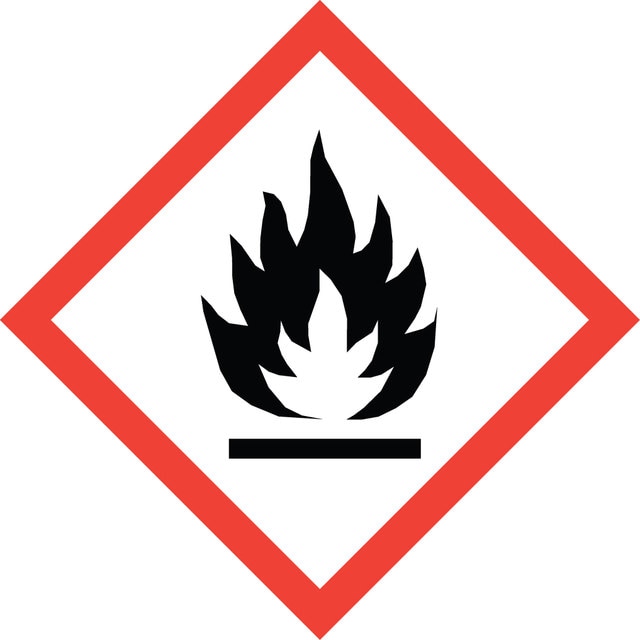
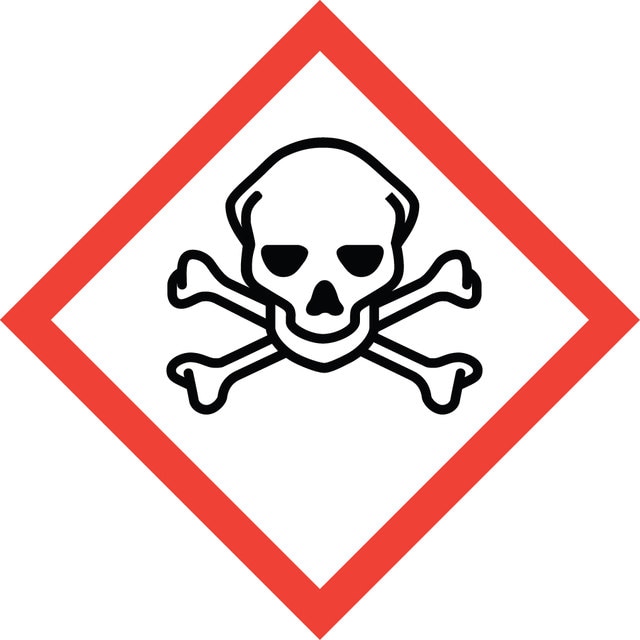

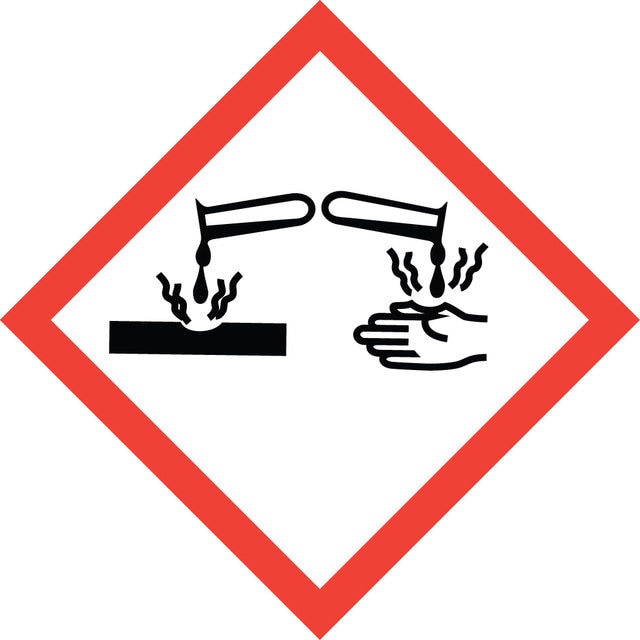
signalword
Danger
Hazard Classifications
Acute Tox. 3 Inhalation - Acute Tox. 3 Oral - Eye Dam. 1 - Flam. Liq. 3 - Repr. 1B - STOT RE 2 Inhalation
target_organs
Blood
Storage Class
3 - Flammable liquids
wgk
WGK 1
flash_point_f
86.0 °F - closed cup
flash_point_c
30 °C - closed cup
Choose from one of the most recent versions:
Already Own This Product?
Find documentation for the products that you have recently purchased in the Document Library.