
P1526

o-Phenylenediamine dihydrochloride
peroxidase substrate, chromogenic, solid
Synonym(s):
OPD
Sign In to View Organizational & Contract Pricing.
Select a Size
Change View
About This Item
Linear Formula:
C6H4(NH2)2·2HCl
CAS Number:
Molecular Weight:
181.06
NACRES:
NA.83
PubChem Substance ID:
UNSPSC Code:
12352204
EC Number:
210-418-7
MDL number:
Beilstein/REAXYS Number:
3912045
Product Name
o-Phenylenediamine dihydrochloride, peroxidase substrate
Quality Segment
form
solid
color
white to off-white
mp
258 °C (dec.) (lit.)
storage temp.
−20°C
SMILES string
Cl[H].Cl[H].Nc1ccccc1N
InChI
1S/C6H8N2.2ClH/c7-5-3-1-2-4-6(5)8;;/h1-4H,7-8H2;2*1H
InChI key
RIIWUGSYXOBDMC-UHFFFAOYSA-N
General description
o-Phenylenediamine dihydrochloride (OPD) is a chromogenic substrate that can be used in enzyme-linked immunosorbent assay (ELISA) procedures as it utilizes horseradish peroxidase conjugates. The substrate produces a soluble end product that is orange-brown and can be read spectrophotometrically at 450 nm. The OPD reaction may be stopped with 3N HCl or 3M H2SO4 and read at 492 nm.
Application
o-Phenylenediamine dihydrochloride has been used as a peroxidase substrate in enzyme-linked immunosorbent assay (ELISA) procedures.
Disclaimer
May darken in storage.
Still not finding the right product?
Explore all of our products under o-Phenylenediamine dihydrochloride

signalword
Danger
Hazard Classifications
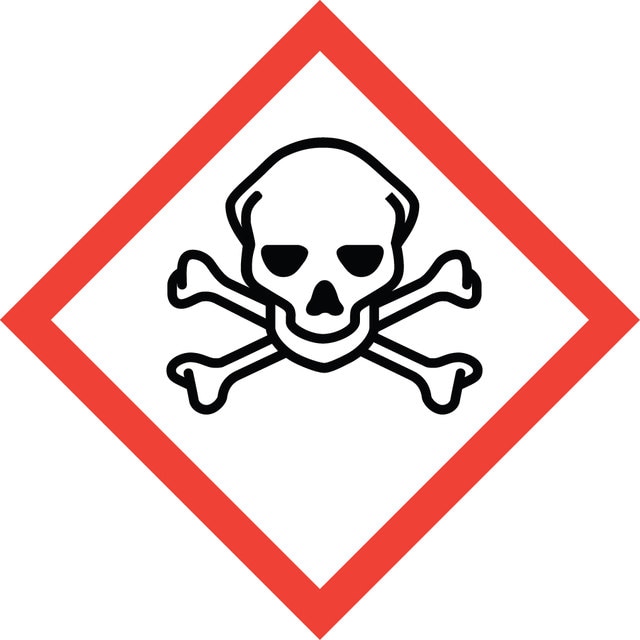
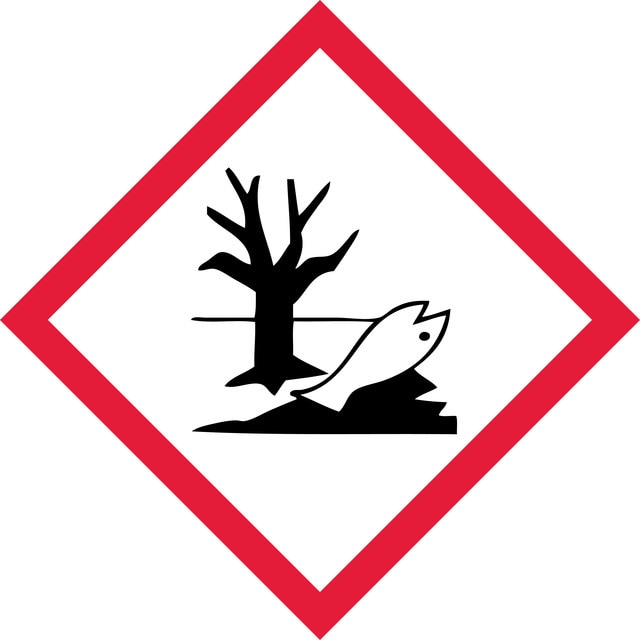
Acute Tox. 3 Oral - Acute Tox. 4 Dermal - Acute Tox. 4 Inhalation - Aquatic Acute 1 - Aquatic Chronic 1 - Carc. 2 - Eye Irrit. 2 - Muta. 2 - Skin Sens. 1
Storage Class
6.1C - Combustible acute toxic Cat.3 / toxic compounds or compounds which causing chronic effects
wgk
WGK 3
flash_point_f
Not applicable
flash_point_c
Not applicable
Choose from one of the most recent versions:
Already Own This Product?
Find documentation for the products that you have recently purchased in the Document Library.