
P8787

o-Phenylenediamine dihydrochloride
chromogenic, tablet
Synonym(s):
1,2-Phenylenediamine tablet, OPD, OPD Tablet
Sign In to View Organizational & Contract Pricing.
Select a Size
About This Item
Linear Formula:
C6H4(NH2)2·2HCl
CAS Number:
Molecular Weight:
181.06
NACRES:
NA.83
PubChem Substance ID:
UNSPSC Code:
12352204
MDL number:
Beilstein/REAXYS Number:
3912045
Product Name
o-Phenylenediamine dihydrochloride, tablet, 4 mg substrate per tablet
InChI
1S/C6H8N2.2ClH/c7-5-3-1-2-4-6(5)8;;/h1-4H,7-8H2;2*1H
SMILES string
Cl[H].Cl[H].Nc1ccccc1N
InChI key
RIIWUGSYXOBDMC-UHFFFAOYSA-N
form
tablet
mp
258 °C (dec.) (lit.)
storage temp.
2-8°C
Quality Level
Looking for similar products? Visit Product Comparison Guide
Related Categories
General description
o-Phenylenediamine dihydrochloride (OPD) is a chromogenic substrate that can be used in enzyme-linked immunosorbent assay (ELISA) procedures as it utilizes horseradish peroxidase conjugates. The substrate produces a soluble end product that is orange-brown and can be read spectrophotometrically at 450 nm. The OPD reaction may be stopped with 3N HCl or 3M H2SO4 and read at 492 nm.
Application
o-Phenylenediamine dihydrochloride has been used as a substrate for horseradish-peroxidase-conjugated secondary antibodies in enzyme-linked immunosorbent assay (ELISA).
Preparation Note
Dissolve one tablet in 0.05 M phosphate-citrate buffer, pH 5.0, to the desired concentration (typically an OPD concentration of 0.4 mg/ml is used). Add 40 μl of fresh 30% hydrogen peroxide per 100 ml of substrate buffer solution, immediately prior to use. Tablets are individually packaged in foil packets.
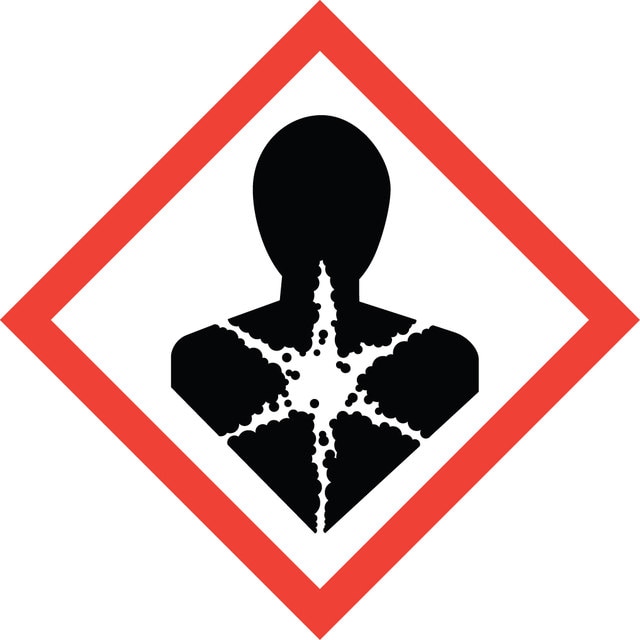

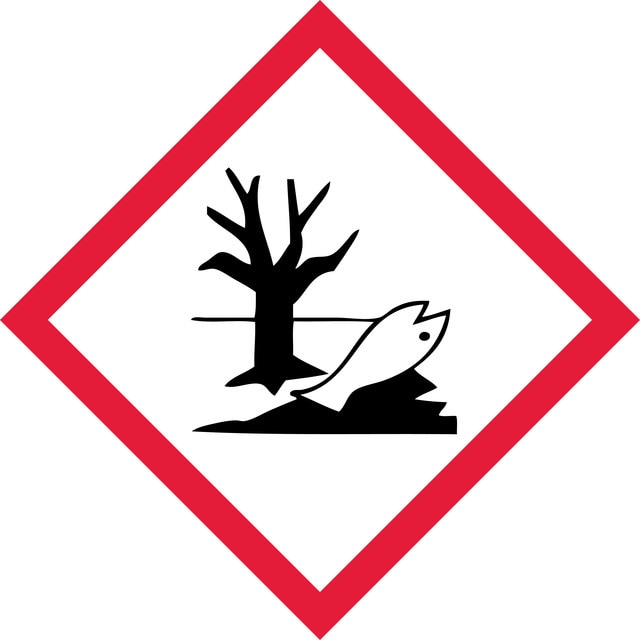
signalword
Warning
hcodes
Hazard Classifications
Aquatic Chronic 2 - Carc. 2 - Muta. 2 - Skin Sens. 1
Storage Class
11 - Combustible Solids
wgk
WGK 3
Choose from one of the most recent versions:
Already Own This Product?
Find documentation for the products that you have recently purchased in the Document Library.
Kaustuv Nayak et al.
Virology, 558, 13-21 (2021-03-12)
India is one of the most affected countries by COVID-19 pandemic; but little is understood regarding immune responses to SARS-CoV-2 in this region. Herein we examined SARS-CoV-2 neutralizing antibodies, IgG, IgM, IgA and memory B cells in COVID-19 recovered individual
Esther Steiner et al.
BMC veterinary research, 5, 45-45 (2009-12-24)
Porcine circovirus type 2 (PCV2) is a dominant causative agent of postweaning multisystemic wasting syndrome (PMWS), a multifactorial disease complex with putative immunosuppressive characteristics. Little is known about adaptive PCV2-specific immune responses in infected pigs. Therefore, the T and B
Siddhartha K Bhaumik et al.
Viruses, 11(1) (2019-01-02)
The re-emergence of Zika virus (ZIKV) in the western hemisphere has most significantly affected dengue virus (DENV) endemic regions. Due to the geographical overlap between these two closely related flaviviruses, numerous individuals who suffered ZIKV infection during recent outbreaks may
Cassandra Koole et al.
The Journal of pharmacology and experimental therapeutics, 353(1), 52-63 (2015-01-30)
The glucagon-like peptide-1 receptor (GLP-1R) is a class B G protein-coupled receptor that has a critical role in the regulation of glucose homeostasis, principally through the regulation of insulin secretion. The receptor system is highly complex, able to be activated
Florian Krammer et al.
Clinical and vaccine immunology : CVI, 21(8), 1153-1163 (2014-06-20)
Emerging H7N9 influenza virus infections in Asia have once more spurred the development of effective prepandemic H7 vaccines. However, many vaccines based on avian influenza viruses--including H7--are poorly immunogenic, as measured by traditional correlates of protection. Here we reevaluated sera
Related Content
Our team of scientists has experience in all areas of research including Life Science, Material Science, Chemical Synthesis, Chromatography, Analytical and many others.
Contact Technical Service