
15992

cis,cis-Muconic acid
≥97.0% (HPLC)
Synonym(s):
cis,cis-2,4-Hexadienedioic acid
Sign In to View Organizational & Contract Pricing.
Select a Size
Change View
About This Item
Empirical Formula (Hill Notation):
C6H6O4
CAS Number:
Molecular Weight:
142.11
UNSPSC Code:
12352100
NACRES:
NA.22
PubChem Substance ID:
MDL number:
Beilstein/REAXYS Number:
1722246
Assay:
≥97.0% (HPLC)
Quality Segment
assay
≥97.0% (HPLC)
mp
194-195 °C (lit.)
functional group
carboxylic acid
SMILES string
OC(=O)/C=C\C=C/C(O)=O
InChI
1S/C6H6O4/c7-5(8)3-1-2-4-6(9)10/h1-4H,(H,7,8)(H,9,10)/b3-1-,4-2-
InChI key
TXXHDPDFNKHHGW-CCAGOZQPSA-N
General description
cis,cis-Muconic acid is a naturally-occurring organic acid. It is also referred as 2E,4E-hexa-2,4-dienedioic acid. It is used in the manufacture of several widely-used consumer plastics. Its microbial production via extending shikimate pathway has been reported.
Application
- Biotechnological production methods: Research highlights various biotechnological approaches to enhance the synthesis of cis,cis-muconic acid, which can serve as a precursor for biodegradable polymers and other bio-based plastics, aligning with sustainable chemical manufacturing goals (Son et al., 2023).
- Industrial application in polymer industry: The potential application of cis,cis-muconic acid in the polymer industry is explored, focusing on its role as a precursor for manufacturing eco-friendly, bio-based plastics, thereby contributing to sustainable industrial practices (Palumbo et al., 2024).
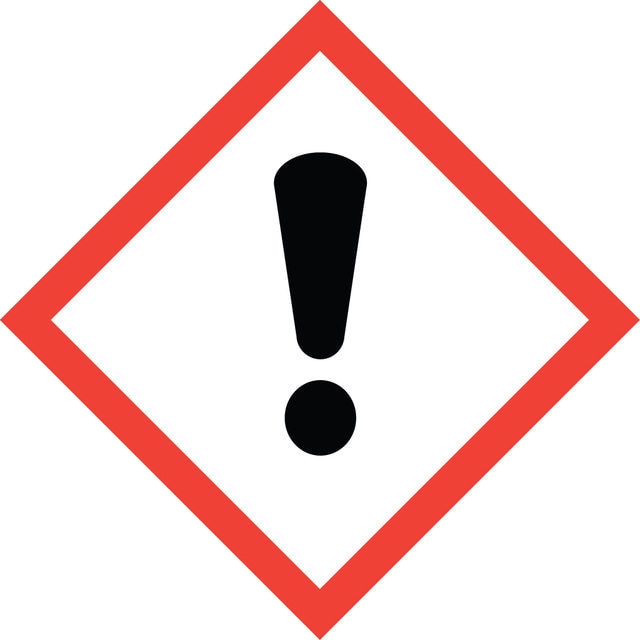
signalword
Warning
hcodes
Hazard Classifications
Acute Tox. 4 Oral - Eye Irrit. 2 - Skin Irrit. 2 - STOT SE 3
target_organs
Respiratory system
Storage Class
11 - Combustible Solids
wgk
WGK 3
flash_point_f
Not applicable
flash_point_c
Not applicable
ppe
dust mask type N95 (US), Eyeshields, Faceshields, Gloves
Choose from one of the most recent versions:
Already Own This Product?
Find documentation for the products that you have recently purchased in the Document Library.