
C2759

Carbonyl Cyanide m-Chlorophenylhydrazone
≥97% (TLC), powder, mitophagy inducer
Synonym(s):
m-Cl-CCP, CCCP, Mesoxalonitrile 3-chlorophenylhydrazone
Select a Size
About This Item
Product Name
Carbonyl cyanide 3-chlorophenylhydrazone, ≥97% (TLC), powder
Quality Level
assay
≥97% (TLC)
form
powder
color
yellow to orange
solubility
DMSO: 100 mM
storage temp.
−20°C
SMILES string
Clc1cccc(N\N=C(\C#N)C#N)c1
InChI
1S/C9H5ClN4/c10-7-2-1-3-8(4-7)13-14-9(5-11)6-12/h1-4,13H
InChI key
UGTJLJZQQFGTJD-UHFFFAOYSA-N
Application
- in the inhibition of efflux pump in clinical Pseudomonas aeruginosa
- to inhibit oxidative phosphorylation activity of mitochondria in human Beas-2B bronchial epithelial cells
- to prepare carbonyl cyanide m-chlorophenylhydrazone solution for oxidative and mitochondrial stress assay and mitophagy induction in Caenorhabditis elegans
Biochem/physiol Actions
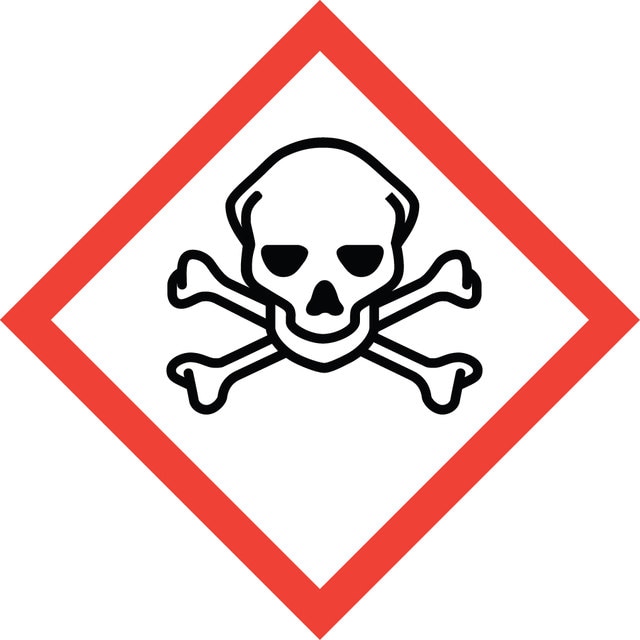
signalword
Danger
Hazard Classifications
Acute Tox. 3 Dermal - Acute Tox. 3 Inhalation - Acute Tox. 3 Oral - Eye Irrit. 2 - Skin Irrit. 2 - STOT SE 3
target_organs
Respiratory system
Storage Class
6.1C - Combustible acute toxic Cat.3 / toxic compounds or compounds which causing chronic effects
wgk
WGK 3
ppe
Eyeshields, Faceshields, Gloves, type P2 (EN 143) respirator cartridges
Choose from one of the most recent versions:
Already Own This Product?
Find documentation for the products that you have recently purchased in the Document Library.
Articles
DISCOVER Bioactive Small Molecules for Nitric Oxide & Cell Stress Research