Skip to Content
Merck

S4400

Staurosporine

from Streptomyces sp., ≥98% (HPLC), film, protein kinase inhibitor

Synonym(s):

Staurosporine, Antibiotic AM-2282

Sign In to View Organizational & Contract Pricing.

Select a Size

Change View

About This Item

Empirical Formula (Hill Notation):
C28H26N4O3
CAS Number:
Molecular Weight:
466.53
UNSPSC Code:
12161501
PubChem Substance ID:
NACRES:
NA.77
Beilstein/REAXYS Number:
1060573
MDL number:
Assay:
≥98% (HPLC)
Form:
film
Quality level:
Technical Service
Need help? Our team of experienced scientists is here for you.
Let Us Assist


Product Name

Staurosporine from Streptomyces sp., ≥98% (HPLC), film

biological source

Streptomyces sp.

Quality Level

assay

≥98% (HPLC)

form

film

mp

288-291 °C

solubility

DMSO: soluble, H2O: insoluble, ethanol: soluble, methanol: soluble

antibiotic activity spectrum

neoplastics

mode of action

enzyme | inhibits

storage temp.

2-8°C

SMILES string

CN[C@@H]1C[C@@H]2O[C@@](C)([C@@H]1OC)n3c4ccccc4c5c6CNC(=O)c6c7c8ccccc8n2c7c35

InChI

1S/C28H26N4O3/c1-28-26(34-3)17(29-2)12-20(35-28)31-18-10-6-4-8-14(18)22-23-16(13-30-27(23)33)21-15-9-5-7-11-19(15)32(28)25(21)24(22)31/h4-11,17,20,26,29H,12-13H2,1-3H3,(H,30,33)/t17-,20?,26-,28+/m1/s1

InChI key

HKSZLNNOFSGOKW-ZGQXJOJZSA-N

General description

Chemical structure: indol derivative
Staurosporinefrom Streptomyces sp. is an alkaloid that induces apoptosis in a rangeof cell lines. It facilitates the inhibition of tumor cell proliferation, PKCinhibition, and blockage of cell cycle progression in various cells. Themechanisms followed by staurosporine-induced apoptosis differ among differentcell lines that include, mitochondrial apoptotic pathway, Bcl-2 overexpession,and caspase-independent mechanisms. It partially reverses multi-drug resistance (MDR), sensitizing cellswith MDR phenotype to cytotoxic agents. Staurosporine inhibits p-glycoprotein(Pgp) phosphorylation. However, the functional significance of Pgpphosphorylation is ill-defined.

Application

Staurosporine from Streptomyces sp. was used to induce cell death in human mesenchymal stem cells and to induce cell death by PKC inhibition in hamster lung fibroblast line CCL-39.

Biochem/physiol Actions

Potent inhibitor of phospholipid/calcium-dependent protein kinase. Inhibits the upregulation of VEGF expression in tumor cells.
Staurosporine from Streptomyces sp. yields clear, colorless to faint yellow solution in methanol at 2 mg/ml.

Features and Benefits

This compound is a featured product for ADME Tox research. Click here to discover more featured ADME Tox products. Learn more about bioactive small molecules for other areas of research at sigma.com/discover-bsm.
This compound is featured on the CDKs and InsR pages of the Handbook of Receptor Classification and Signal Transduction. To browse other handbook pages, click here.


Still not finding the right product?


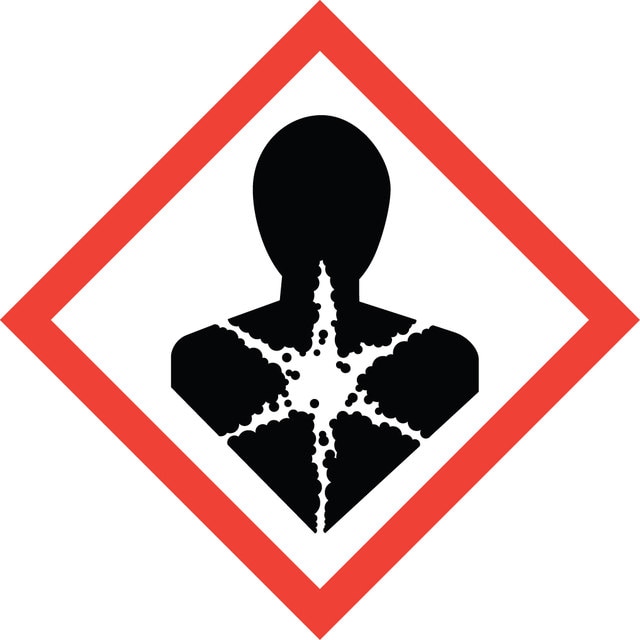
pictograms

Health hazard

signalword

Danger

Hazard Classifications

Aquatic Chronic 4 - Carc. 1B - Muta. 1B - Repr. 2

Storage Class

6.1C - Combustible acute toxic Cat.3 / toxic compounds or compounds which causing chronic effects

flash_point_f

Not applicable

flash_point_c

Not applicable

ppe

Eyeshields, Gloves, type P3 (EN 143) respirator cartridges


Choose from one of the most recent versions:

Certificates of Analysis (COA)

Lot/Batch Number

It looks like we've run into a problem, but you can still download Certificates of Analysis from our Documents section.

If you need assistance, please contact Customer Support

Already Own This Product?

Find documentation for the products that you have recently purchased in the Document Library.

Visit the Document Library


Articles

Discover Bioactive Small Molecules for ADME/Tox

Protein-based drug transporters are expressed in Sf9 cells. Understanding the specific mechanisms of tumor cell transporters is an essential aspect of chemotherapeutic drug design.

Protein-based drug transporters are found in most tissues including liver, kidney, intestine, and brain. These transporters are particularly important in cancer treatment and multi-drug resistance research. Understanding the specific mechanisms of tumor cell transporters is becoming an essential aspect of chemotherapeutic drug design.

Related Content