
Z0251

Zinc sulfate heptahydrate
BioReagent, suitable for cell culture
Synonym(s):
Zinc Sulfate hydrate, Zinc sulphate heptahydrate, ZnSO4
Sign In to View Organizational & Contract Pricing.
Select a Size
Change View
About This Item
Linear Formula:
ZnSO4 · 7H2O
CAS Number:
Molecular Weight:
287.56
NACRES:
NA.71
PubChem Substance ID:
UNSPSC Code:
12352207
EC Number:
231-793-3
MDL number:
Assay:
>99.0%
Solubility:
H2O: 100 mg/mL, clear, colorless
product line
BioReagent
Quality Level
assay
>99.0%
technique(s)
cell culture | mammalian: suitable
solubility
H2O: 100 mg/mL, clear, colorless
SMILES string
O.O.O.O.O.O.O.[Zn++].[O-]S([O-])(=O)=O
InChI
1S/H2O4S.7H2O.Zn/c1-5(2,3)4;;;;;;;;/h(H2,1,2,3,4);7*1H2;/q;;;;;;;;+2/p-2
InChI key
RZLVQBNCHSJZPX-UHFFFAOYSA-L
Still not finding the right product?
Explore all of our products under Zinc sulfate heptahydrate
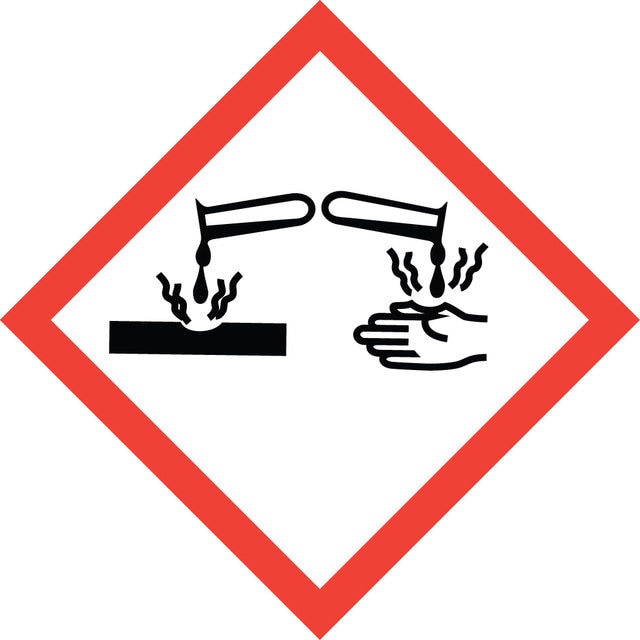

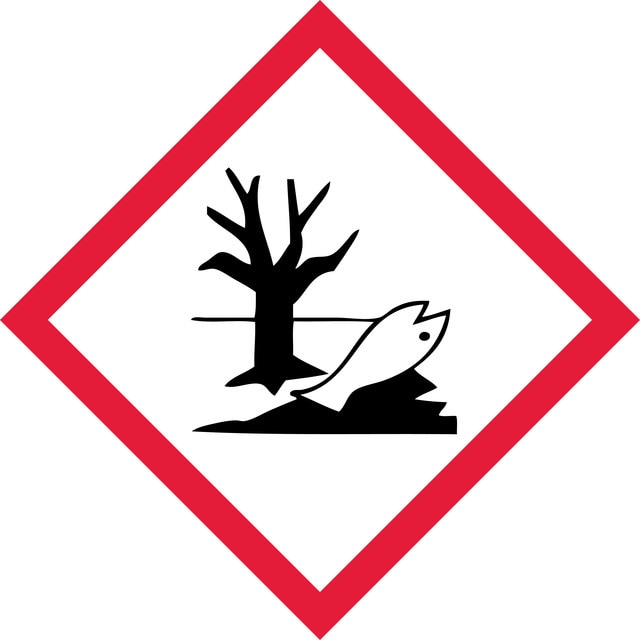
signalword
Danger
hcodes
Hazard Classifications
Acute Tox. 4 Oral - Aquatic Acute 1 - Aquatic Chronic 1 - Eye Dam. 1
Storage Class
11 - Combustible Solids
wgk
WGK 3
flash_point_f
Not applicable
flash_point_c
Not applicable
ppe
dust mask type N95 (US), Eyeshields, Gloves
Choose from one of the most recent versions:
Already Own This Product?
Find documentation for the products that you have recently purchased in the Document Library.
Related Content
Qiu-Yue Zhai et al.
Aging, 10(8), 2170-2189 (2018-08-29)
Zinc oxide nanoparticles (nZnO) have been shown to have higher toxic effects likely due to their ion-shedding ability and low solubility under neutral conditions. In order to investigate whether exposure to nZnO during embryonic development affects ovary development, 12.5 day
Brandon Mapes et al.
Physiological genomics, 46(8), 302-308 (2014-02-20)
1α,25-Dihydroxyvitamin D3 [1α,25(OH)2D3] is a steroid hormone derived from circulating 25(OH) vitamin D [25(OH)D] with chemopreventive effects in colorectal cancer. 1α,25(OH)2D3 acts through transcriptional mechanisms; however, our understanding of vitamin D transcriptional responses in the colon is derived from studies
Hitoshi Tsujimoto et al.
Frontiers in physiology, 9, 380-380 (2018-05-01)
Mosquito-transmitted viral pathogens, such as dengue and Zika, afflict tens of thousands of people every year. These viruses are transmitted during the blood-feeding process that is required for mosquito reproduction, the most important vector being Aedes aegypti. While vertebrate blood