
730734

Trimethylgallium
packaged for use in deposition systems
Synonym(s):
Me3Ga, TMGa, TMG
Sign In to View Organizational & Contract Pricing.
Select a Size
Change View
About This Item
Linear Formula:
Ga(CH3)3
CAS Number:
Molecular Weight:
114.83
NACRES:
NA.23
PubChem Substance ID:
UNSPSC Code:
12352103
EC Number:
215-897-6
MDL number:
Quality Level
form
liquid
reaction suitability
core: gallium
bp
92.5 °C/760 mmHg (lit.)
mp
-15.8 °C (lit.)
density
1.132 g/mL at 25 °C
SMILES string
C[Ga](C)C
InChI
1S/3CH3.Ga/h3*1H3;
InChI key
XCZXGTMEAKBVPV-UHFFFAOYSA-N
General description
Trimethylgallium (TMGa) [Ga(CH3)3] is a high-purity (99.9999%), colorless, and pyrophoric organometallic compound widely used as a key precursor in metal-organic chemical vapor deposition (MOCVD) for semiconductor manufacturing. Its high volatility and metal-organic reactivity make it essential for producing gallium-containing thin films in optoelectronics, photovoltaics, and high-frequency devices. TMGa′s ultra-low impurity levels ensure performance consistency in applications such as LEDs, laser diodes, and high-electron-mobility transistors (HEMTs). Recent advancements have also extended its role to quantum dot synthesis and photonic integrated circuits for energy-efficient and IoT-enabled technologies.
Application
Trimethylgallium can be used as:
- A precursor to synthesize β-gallium oxide (β-Ga₂O₃) thin films for high-power electronic devices, offering superior breakdown voltage and thermal stability.
- A precursor for epitaxial growth of gallium nitride (GaN) in blue LEDs and laser diodes, enabling high-brightness displays and optical communication systems.
- A component in colloidal quantum dot synthesis for tunable near-infrared LEDs in biomedical imaging and telecommunications.
- A source material for gallium arsenide (GaAs) layers in high-electron-mobility transistors (HEMTs), critical for 5G millimeter-wave amplifiers.
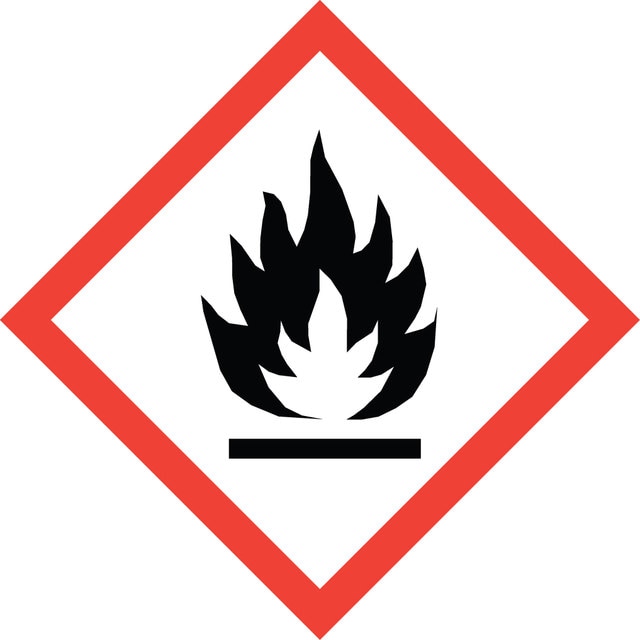
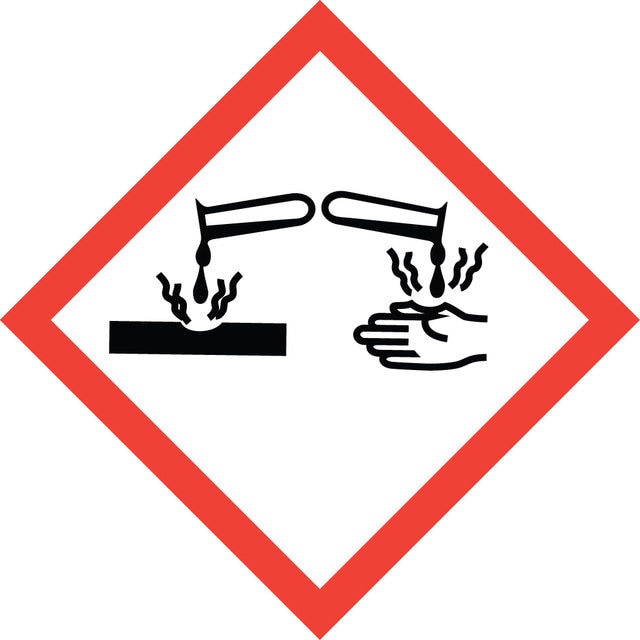
signalword
Danger
hcodes
supp_hazards
Storage Class
4.2 - Pyrophoric and self-heating hazardous materials
wgk
WGK 3
Hazard Classifications
Eye Dam. 1 - Pyr. Liq. 1 - Skin Corr. 1B - Water-react. 1
Choose from one of the most recent versions:
Already Own This Product?
Find documentation for the products that you have recently purchased in the Document Library.
C Guillén-Ponce et al.
Clinical & translational oncology : official publication of the Federation of Spanish Oncology Societies and of the National Cancer Institute of Mexico, 22(2), 201-212 (2020-01-26)
In the last 2 decades, clinical genetics on hereditary colorectal syndromes has shifted from just a molecular characterization of the different syndromes to the estimation of the individual risk of cancer and appropriate risk reduction strategies. In the last years, new
Adnan Al-Kaisy et al.
Trials, 21(1), 111-111 (2020-01-30)
Chronic neuropathic low back pain (CNLBP) is a debilitating condition in which established medical treatments seldom alleviate symptoms. Evidence demonstrates that high-frequency 10 kHz spinal cord stimulation (SCS) reduces pain and improves health-related quality of life in patients with failed back
Aleksandra Klimczak et al.
Archivum immunologiae et therapiae experimentalis, 67(5), 311-323 (2019-06-10)
Excessive inflammatory environment in a course of chronic graft-versus-host disease (cGvHD) is associated with T-cell trafficking into inflamed tissues. This study focused on the identification of IL-17-producing cells in the tissue biopsies of cGvHD patients. Forty-one biopsy specimens of cGvHD