
203122

Copper
powder, 99.99% trace metals basis
Synonym(s):
Cu powder
Sign In to View Organizational & Contract Pricing.
Select a Size
Change View
About This Item
Empirical Formula (Hill Notation):
Cu
CAS Number:
Molecular Weight:
63.55
PubChem Substance ID:
eCl@ss:
38150101
UNSPSC Code:
12141711
NACRES:
NA.23
EC Number:
231-159-6
MDL number:
assay
99.99% trace metals basis
form
powder
reaction suitability
core: copper
resistivity
1.673 μΩ-cm, 20°C
bp
2567 °C (lit.)
mp
1083.4 °C (lit.)
density
8.94 g/mL at 25 °C (lit.)
SMILES string
[Cu]
InChI
1S/Cu
InChI key
RYGMFSIKBFXOCR-UHFFFAOYSA-N
General description
Copper powder, 99.99% trace metals basis, is a fine powder that is typically red-brown in color. It is often produced through the reduction of copper oxide or other copper compounds using hydrogen or other reducing agents. Our powder is highly pure, with less than 15 ppm impurities such as lead, arsenic, and bismuth, making it suitable for a wide range of industrial and commercial applications. Copper is valued for its excellent electrical and thermal conductivity, high ductility, and resistance to corrosion.
Application
High-purity copper powder is used in a variety of applications, such as in the production of electrical components and conductive coatings and as a catalyst in chemical reactions. Additionally, copper powder can be used in the production of various alloys and as a raw material for powder metallurgy.
Features and Benefits
Our 99.99% pure copper powder is useful in the electronics and chemical industries where purity matters most.
✔ Consistent quality
✔ Ultra high purity
✔ Available to scale up: bulk and pilot scale
✔ Consistent quality
✔ Ultra high purity
✔ Available to scale up: bulk and pilot scale
signalword
Warning
hcodes
ppe
Eyeshields, Gloves, type P3 (EN 143) respirator cartridges
pcodes
Hazard Classifications
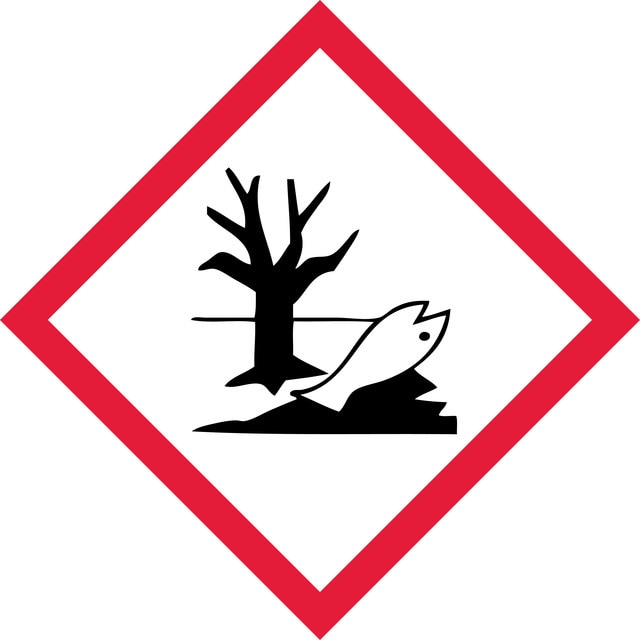
Aquatic Acute 1 - Aquatic Chronic 1
Storage Class
11 - Combustible Solids
flash_point_f
Not applicable
flash_point_c
Not applicable
Choose from one of the most recent versions:
Already Own This Product?
Find documentation for the products that you have recently purchased in the Document Library.
Seiko Ishida et al.
Proceedings of the National Academy of Sciences of the United States of America, 110(48), 19507-19512 (2013-11-13)
Copper is an essential trace element, the imbalances of which are associated with various pathological conditions, including cancer, albeit via largely undefined molecular and cellular mechanisms. Here we provide evidence that levels of bioavailable copper modulate tumor growth. Chronic exposure
R Squitti et al.
Neurology, 67(1), 76-82 (2006-07-13)
To assess whether serum copper in Alzheimer disease (AD) correlates with cognitive scores, beta-amyloid, and other CSF markers of neurodegeneration. The authors studied copper, ceruloplasmin, total peroxide, and antioxidants levels (TRAP) in serum; beta-amyloid in plasma; and copper, beta-amyloid, h-tau
Magnus Andersson et al.
Nature structural & molecular biology, 21(1), 43-48 (2013-12-10)
Heavy metals in cells are typically regulated by PIB-type ATPases. The first structure of the class, a Cu(+)-ATPase from Legionella pneumophila (LpCopA), outlined a copper transport pathway across the membrane, which was inferred to be occluded. Here we show by